Zana Kay Takes Zimbabwean Heritage and African Creative Identity to Afrotellers Conference 2026 in Kenya
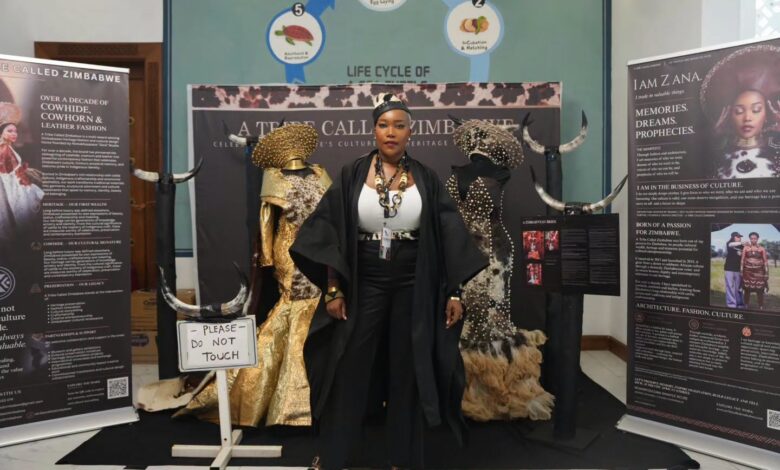
Zimbabwean architectural designer and award-winning fashion designer Zana Kay has brought Zimbabwe’s cultural heritage and creative identity to the international stage through her participation in the Afrotellers Conference 2026 in Mombasa, Kenya. The designer presented a thought-provoking session titled “Wearing Our Story: Heritage as Design, Business and Narrative Power”, exploring how African cultural knowledge can influence contemporary design, create economic opportunities and shape the way the continent tells its own stories. Her presentation highlighted the value of Indigenous knowledge and traditional materials, including cowhide, cowhorn and leather, as important resources for developing modern African fashion and design. She also addressed concerns about how generative artificial intelligence (AI) can misrepresent African cultures when the people and communities behind those identities have little influence over how they are digitally represented. Through her contribution, Zana brought attention to the importance of cultural ownership, authentic storytelling and African participation in emerging technologies. Her appearance also demonstrated how Zimbabwean creatives are increasingly contributing to international conversations about fashion, heritage, innovation and the future of African creative industries.
The Afrotellers Conference 2026 took place from 28 to 31 October in Mombasa under the theme “Narrative Sovereignty in the Age of AI and Shifting Global Power”. The gathering brought together voices from across Africa and its diaspora who are working to advance authentic African storytelling and creative sovereignty. Its central theme explored the importance of controlling how African identities, histories and experiences are represented in a world increasingly shaped by digital technology and changing global relationships. The growing influence of artificial intelligence has created new opportunities for content production, communication and creative expression, but it has also raised questions about representation, cultural ownership and accuracy. African creatives are increasingly engaging with these questions because digital platforms and AI systems can influence how audiences understand different cultures. The conference provided a platform for discussing how Africans can take a more active role in shaping narratives about their continent rather than allowing others to define those stories.
Zana Kay’s presentation, “Wearing Our Story”, placed African fashion and design within this wider discussion about cultural identity and narrative power. Her approach explored the idea that clothing and design can communicate much more than personal style or changing fashion trends. Traditional materials, patterns, techniques and cultural references can carry knowledge about communities, histories and ways of life. When designers incorporate these elements into contemporary creations, they create opportunities to preserve cultural knowledge while introducing it to new audiences. This approach also challenges the perception that African fashion must follow international trends to achieve relevance in the global market. Instead, it positions African heritage as a valuable source of original ideas, creative innovation and commercial opportunity. Through her presentation, Zana encouraged a broader understanding of fashion as a form of storytelling that can connect the past with the present.
As Founder and Creative Director of A Tribe Called Zimbabwe, Zana has positioned her work around the relationship between African heritage and contemporary creative expression. Her participation at the conference provided an opportunity to explain how Indigenous knowledge can inform modern design processes and contribute to the development of creative businesses. The use of traditional materials such as cowhide, cowhorn and leather formed an important part of her discussion. These materials have cultural and practical associations within different African communities and can inspire designers to explore distinctive textures, forms and production techniques. Their use in contemporary design also creates opportunities to reconsider how locally rooted resources can contribute to modern fashion and other creative products. Rather than treating traditional materials as elements belonging only to the past, Zana’s approach highlights their potential to remain relevant in changing markets. This perspective places cultural heritage at the centre of innovation rather than viewing it as an obstacle to modernisation.
The relationship between Indigenous knowledge and contemporary design also raises important questions about how African creative industries can generate sustainable business opportunities. Designers who work with traditional materials and cultural references can develop products with distinctive identities and meaningful stories. These qualities can help African fashion brands establish a recognisable presence in competitive markets where originality and authenticity are increasingly important. However, building successful creative businesses requires more than inspiration from cultural heritage. It also involves developing reliable production processes, maintaining quality, understanding customers and creating effective business models. Designers must also consider how cultural knowledge is used and ensure that communities and traditions are treated with respect. Zana’s presentation highlighted the potential of connecting cultural preservation with entrepreneurship, showing how heritage can contribute to both creative expression and economic development.
Her focus on cowhide, cowhorn and leather also highlights the importance of understanding the stories and knowledge associated with traditional African materials. Across different communities, materials used in clothing, accessories and decorative objects can reflect local environments, craftsmanship and cultural practices. Their significance often extends beyond their physical properties because they may be connected to social customs, identity and inherited skills. Bringing these materials into contemporary design requires an understanding of their origins and the contexts in which they have traditionally been used. Designers can then explore ways of adapting them for modern products without losing sight of their cultural meaning. This approach can create a connection between traditional craftsmanship and contemporary consumer markets. It also encourages greater appreciation of African resources and creative knowledge within the international fashion industry.
One of the most significant aspects of Zana’s contribution was her challenge to the misrepresentation of African cultural identities through generative artificial intelligence. AI tools can now produce images, fashion concepts, written content and other creative material using patterns learned from large collections of digital information. While these technologies offer opportunities for innovation, they can also reproduce inaccurate or stereotypical portrayals when their training data lacks diverse and reliable cultural representation. African identities are particularly important in this discussion because the continent contains many different communities, languages, traditions and artistic practices that cannot be reduced to a single visual or cultural description. When AI-generated content presents simplified or inaccurate representations as authentic African culture, it can distort public understanding and reinforce existing misconceptions. Zana’s concerns highlight the need for African creatives and cultural knowledge holders to participate actively in the development and use of these technologies.
The issue of AI representation is becoming increasingly important as digital tools influence the global fashion, media and entertainment industries. Designers can use generative AI to experiment with visual concepts, develop creative ideas and explore new approaches to production. However, these tools are only as reliable as the information and cultural perspectives reflected in their underlying data. If African communities have limited influence over the material used to train AI systems, the resulting representations may overlook important cultural differences or incorrectly combine elements from unrelated traditions. This creates challenges for designers who want to use technology while maintaining cultural accuracy and authenticity. It also raises questions about who owns cultural knowledge, who benefits from its digital use and who has the authority to represent it. Zana’s intervention encouraged African creatives to become active participants in these discussions rather than remaining consumers of technologies and narratives developed elsewhere.
Her call for greater African involvement in shaping AI technologies also connects with the broader concept of narrative sovereignty. This idea focuses on the ability of people and communities to influence how their histories, cultures and experiences are represented. For African societies, narrative sovereignty involves challenging inaccurate portrayals while creating opportunities for more diverse and locally grounded stories to reach international audiences. It also requires investment in African research, creative industries, digital infrastructure and the preservation of cultural knowledge. As AI-generated content becomes more widespread, the ability to document and represent African heritage accurately will become increasingly important. Designers, artists, researchers and technology developers all have a role to play in this process. Zana’s presentation demonstrated how fashion and design can contribute to a wider effort to ensure that African identities remain connected to the people and communities from which they originate.
The conference theme, “Narrative Sovereignty in the Age of AI and Shifting Global Power”, provided an important setting for exploring the relationship between culture, technology and international influence. Global narratives have historically been shaped by differences in access to media platforms, publishing systems and technological resources. The growth of digital communication has created new opportunities for African voices to reach international audiences, but access alone does not automatically guarantee accurate representation. African creatives must also have the resources and influence needed to develop their own platforms, protect intellectual contributions and participate in decisions affecting the digital presentation of their cultures. Discussions at gatherings such as Afrotellers help bring these concerns into the open while encouraging collaboration across different creative disciplines. Zana’s participation added the perspective of fashion and architectural design to conversations that also affect media, storytelling and technology. Her contribution demonstrated that creative sovereignty involves both the freedom to tell African stories and the ability to determine how those stories are presented.
Zana Kay’s background in architectural design and fashion also brings an interesting perspective to the relationship between materials, culture and creative innovation. Both architecture and fashion involve decisions about form, texture, function and the relationship between design and the people who experience it. Architectural design often responds to environmental conditions, available materials and the cultural context of a particular place. Fashion similarly draws inspiration from materials, craftsmanship, identity and changing social experiences. Bringing these disciplines together can create opportunities to explore African heritage through different creative approaches. Her work as an architectural designer and fashion designer therefore provides a foundation for examining how traditional knowledge can inform contemporary design across multiple fields. At Afrotellers, this perspective helped broaden the discussion about how African cultural resources can contribute to modern creative and commercial industries.
Her participation also provides visibility for Zimbabwe’s growing creative sector and the designers working to establish African identities within international markets. Zimbabwe has a rich cultural heritage that offers opportunities for innovation across fashion, visual arts, architecture, music and other creative disciplines. Designers who draw on this heritage can contribute to a stronger national creative identity while developing products that appeal to audiences beyond the country’s borders. International platforms allow such creatives to exchange ideas, establish professional relationships and introduce their work to new markets. They also create opportunities for Zimbabwean designers to participate in discussions about the challenges and possibilities facing the wider African creative economy. Zana’s appearance at the Mombasa conference therefore represents more than individual participation. It highlights the importance of ensuring that Zimbabwean creative voices are included in conversations shaping the future of African culture and innovation.
The economic potential of heritage-based design is another important aspect of the discussion. African creative industries can create employment and business opportunities through fashion production, craftsmanship, product development and cultural entrepreneurship. Traditional materials and techniques can provide the foundation for distinctive products that stand out in competitive markets. However, sustainable growth requires designers to balance cultural authenticity with commercial demands, including production costs, quality standards and access to customers. It also requires the protection of traditional knowledge and consideration of the communities whose cultural practices inspire creative products. When these issues receive proper attention, heritage-based design can support both economic activity and cultural preservation. Zana’s presentation placed these opportunities within a wider discussion about how African creatives can build businesses while maintaining control over their cultural narratives.
The Afrotellers Conference 2026 also reinforced the importance of collaboration between creatives across Africa and the diaspora. African designers, storytellers and cultural practitioners often face related challenges when trying to preserve traditional knowledge while competing in international markets. Opportunities to exchange experiences can help them develop new approaches to branding, technology, cultural documentation and business development. Collaboration can also strengthen the visibility of African creative industries by creating connections between different markets and professional networks. The involvement of people working across various creative disciplines makes these discussions especially valuable because cultural representation is not limited to one industry. Zana’s contribution showed how fashion and design can become part of a broader conversation about African ownership, innovation and identity. Such exchanges can help establish stronger connections between Zimbabwean creatives and the wider continental creative community.
Zana Kay’s participation in Afrotellers Conference 2026 was an important opportunity to place Zimbabwean heritage, contemporary design and digital representation within an international conversation. Through “Wearing Our Story: Heritage as Design, Business and Narrative Power”, she explored how Indigenous knowledge and traditional materials such as cowhide, cowhorn and leather can inspire modern creative work and generate business opportunities. She also challenged African creatives to take an active role in shaping the technologies and digital narratives that increasingly influence how their cultures are represented. Her message highlighted the importance of protecting cultural knowledge while embracing innovation and new creative possibilities. As artificial intelligence continues to change the global creative landscape, African participation in decisions about representation and cultural ownership will become increasingly important. Zana’s contribution ultimately reinforced a powerful message: African heritage should not simply be displayed or interpreted by others, it should remain a living source of knowledge, creativity, economic opportunity and stories shaped by Africans themselves.