Ropafadzo Muzondo Makes History with Gold Medal Victory for Zimbabwe at Youth Olympic Games
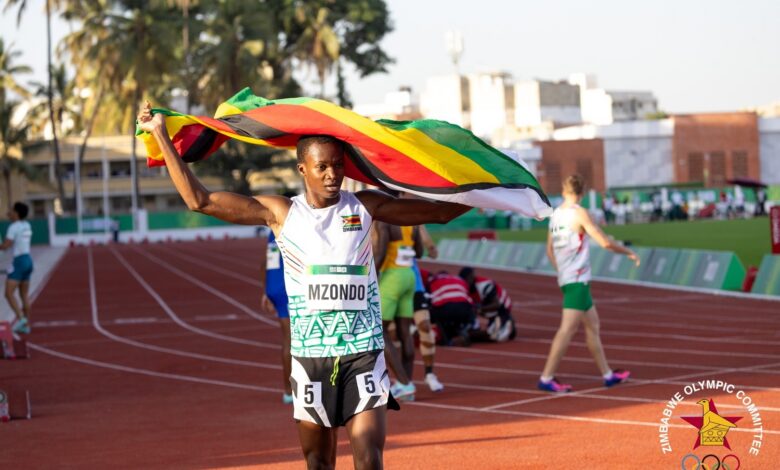
Zimbabwean athletics has celebrated a historic breakthrough after young sprinter Ropafadzo Muzondo won gold in the men’s 200-metre final at the Youth Olympic Games in Dakar. The talented Zimbabwean delivered an impressive performance, crossing the finish line in 21.04 seconds to claim the top position and secure a landmark achievement for his country. His victory has been hailed as a major moment for Zimbabwean sport, with the young athlete reportedly becoming the country’s first-ever Youth Olympic Games medallist. The achievement places Zimbabwe in the international spotlight and provides fresh encouragement for the country’s developing athletics talent. Beyond the gold medal itself, Muzondo’s performance represents the potential of young Zimbabwean athletes to compete successfully against international opposition. His success is also expected to inspire other aspiring sprinters to pursue their ambitions on the global athletics stage.
Muzondo’s victory in the men’s 200-metre final was built on an impressive display of speed, strength and race execution. Clocking 21.04 seconds, he produced a commanding performance to finish ahead of his competitors and secure the gold medal. The 200 metres is a demanding sprint event that requires athletes to combine explosive acceleration with the ability to maintain speed around the bend and into the home straight. Unlike the 100 metres, where the entire race takes place along a straight track, the 200 metres tests an athlete’s ability to negotiate a curve before accelerating towards the finish line. Muzondo’s performance demonstrated his ability to handle these demands under the pressure of a major international competition. His finishing speed and overall execution helped him deliver a result that will remain an important moment in Zimbabwe’s athletics history.
The significance of the victory extends beyond the individual achievement because it represents a major milestone for Zimbabwe at the Youth Olympic Games. The competition provides a platform for talented young athletes from different countries to demonstrate their abilities and gain experience at an international level. Winning a gold medal at such an event requires discipline, preparation and the ability to perform when the stakes are high. For Zimbabwe, Muzondo’s triumph offers evidence that the country has young sporting talent capable of competing successfully on the international stage. His achievement also provides an opportunity to increase public interest in youth athletics and encourage greater investment in developing young competitors. The reported breakthrough is particularly significant for a country seeking to strengthen its presence across different sporting disciplines.
Muzondo’s 21.04-second performance also highlights the importance of technical ability in sprinting. Success in the 200 metres depends on more than raw speed, as athletes must maintain balance, rhythm and efficient running technique throughout the race. The opening section requires a strong start and controlled acceleration, while the bend demands careful management of body position and stride mechanics. Once athletes enter the straight, they must maintain their speed while resisting fatigue during the final metres. A strong finish can make the difference between winning a medal and finishing outside the leading positions. Muzondo’s gold medal performance suggests that he was able to execute the different stages of the race effectively against a competitive international field.
The victory has also brought renewed attention to Zimbabwe’s youth sports development programmes and the importance of identifying talented athletes at an early age. Young competitors need access to qualified coaches, suitable training facilities, proper competition opportunities and consistent support to develop their potential. Athletics, in particular, requires years of structured preparation to build speed, endurance, strength and technical efficiency. International competitions provide valuable experience by exposing young athletes to different racing conditions and higher levels of competition. Muzondo’s achievement offers an encouraging example of what young Zimbabwean athletes can accomplish when their abilities are developed and given opportunities to shine. It also reinforces the need to maintain support for grassroots athletics programmes that identify and nurture future champions.
For Zimbabwean athletics supporters, the gold medal represents more than a moment of celebration. It creates an opportunity to recognise the importance of youth competitions as a pathway towards senior international athletics. The transition from junior to senior competition can be challenging because athletes must adapt to stronger opposition, greater physical demands and increased expectations. Young sprinters need continued guidance to maintain their development and avoid the setbacks that can affect promising sporting careers. Muzondo’s success provides a foundation on which he can build as he gains more experience in competitive athletics. His next steps will be important in determining how he develops and whether he can translate his youth-level success into further international achievements.
The achievement also has the potential to encourage more Zimbabwean youngsters to take an interest in athletics. Sporting success often gives young people visible examples of what dedication and hard work can achieve. When an athlete from their own country wins an international gold medal, aspiring competitors can begin to see global sporting opportunities as realistic goals rather than distant ambitions. Schools, athletics clubs and community sports programmes can use such achievements to encourage participation and identify promising young runners. Increased interest in athletics can also help strengthen the country’s talent development structures by creating a wider pool of young competitors. Muzondo’s historic performance therefore offers an opportunity to inspire a new generation of Zimbabwean athletes.
Zimbabwe has a proud sporting tradition, particularly in athletics and other international disciplines where individual competitors have represented the country with distinction. However, every new generation must develop its own talent and create opportunities for future success. Muzondo’s Youth Olympic Games gold medal adds another important achievement to the country’s sporting story while drawing attention to the potential of its younger athletes. His victory in the men’s 200 metres demonstrates that Zimbabwe can produce competitors capable of reaching the highest positions at international youth events. It also highlights the importance of investing in coaching, athlete welfare and competitive opportunities beyond major tournaments. Sustained development will be essential if the country is to turn individual breakthroughs into consistent international success.
Ropafadzo Muzondo’s gold medal victory in the men’s 200-metre final is a landmark moment for Zimbabwean athletics. His impressive time of 21.04 seconds and reported status as the country’s first-ever Youth Olympic Games medallist make the achievement particularly significant. The victory has brought pride to Zimbabwe while highlighting the promise of its emerging sporting talent. It also sends an encouraging message about the value of investing in young athletes and creating opportunities for them to compete internationally. As Muzondo continues his athletics journey, his historic performance in Dakar will stand as an important milestone and a source of inspiration for aspiring Zimbabwean sprinters. His success offers fresh hope for the future of Zimbabwean athletics and demonstrates that the country’s next generation has the potential to make its mark on the world stage.