Seh Calaz Praises Hulengende Zw’s Tsvimbo Mutauro Album, Says Zimdancehall Culture Must Never Die
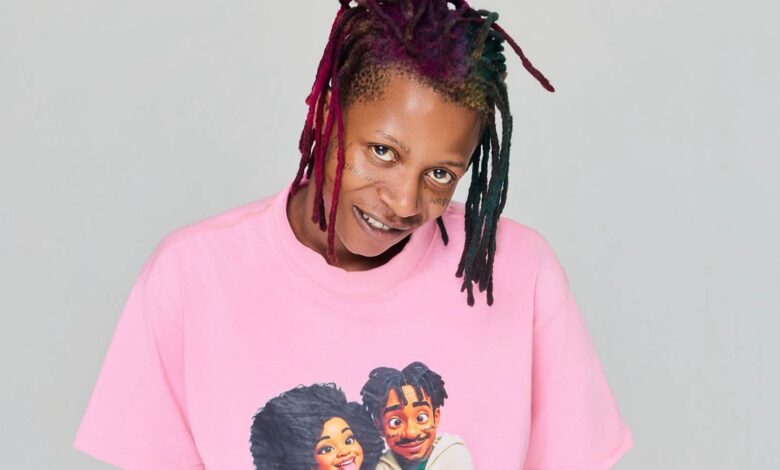
Veteran Zimdancehall musician Seh Calaz has publicly praised fellow artist Hulengende Zw for his contribution to Zimbabwe’s dancehall scene, describing his Tsvimbo Mutauro album as a masterpiece that deserves recognition in the history of the genre. The endorsement has drawn attention to the importance of preserving the original identity of Zimdancehall and recognising musicians who continue to uphold its traditional sound and cultural values. Seh Calaz believes Hulengende’s music represents more than entertainment, describing it as a reflection of the culture and musical foundation established by the pioneers of the genre. His comments also highlight the responsibility of established musicians, upcoming artists and supporters to protect Zimdancehall’s identity. By publicly acknowledging Hulengende’s work, Seh Calaz has reinforced the importance of celebrating artists who remain committed to the roots of Zimbabwean dancehall music.
In a social media post, Seh Calaz described Hulengende’s Tsvimbo Mutauro album as an important contribution to the continued development of Zimdancehall. He also referred to Malongende as a movement that represents the authentic culture of the genre. His remarks suggest that he sees Hulengende’s musical approach as an effort to preserve the sound, language and identity that helped establish Zimdancehall as a recognisable part of Zimbabwe’s music industry. Rather than viewing the project as simply another album release, Seh Calaz presented it as a statement about the direction and future of the genre. His endorsement carries particular significance because he is among the established musicians associated with Zimbabwe’s dancehall movement.
Seh Calaz specifically praised Hulengende for remaining connected to the foundations of Zimdancehall and continuing the work of the artists who helped build the genre. He described him as someone who is preserving the roots, carrying the torch and keeping the spirit of authentic Zimdancehall alive. “Big respect to Hulengende Zw for preserving the roots, carrying the torch and keeping the spirit of real Zimdancehall alive,” Seh Calaz wrote. The statement reflects his appreciation for musicians who maintain a connection to the cultural influences that shaped Zimbabwean dancehall. It also recognises the importance of artists who use their music to keep established sounds and traditions relevant to newer audiences.
Zimdancehall developed into one of Zimbabwe’s most recognisable contemporary music genres through a combination of local musical influences, street culture and the creative expression of young people. The genre became particularly popular for its use of Shona and other local languages, energetic rhythms, social commentary and lyrics that reflect everyday experiences. Its growth was driven by musicians who developed distinctive styles and connected with audiences through music that reflected their realities. Over time, Zimdancehall became an important platform for discussing social issues, personal struggles, relationships and community experiences. For many listeners, the genre represents more than a particular musical sound because it also reflects aspects of Zimbabwean identity and urban culture.
The question of preserving Zimdancehall’s original identity has remained relevant as the music industry continues to change. New artists regularly introduce different sounds, production techniques and creative approaches, helping the genre reach wider audiences. While musical experimentation can contribute to growth, established musicians and fans also recognise the importance of maintaining the cultural elements that made Zimdancehall distinctive. Seh Calaz’s comments about Hulengende highlight this balance between musical development and cultural preservation. His praise suggests that artists should be able to explore new ideas without losing the identity and traditions that connect Zimdancehall to its origins.
Seh Calaz also called on people around Hulengende to take responsibility for nurturing and protecting his musical talent. He emphasised the importance of providing guidance and support rather than allowing an artist with a meaningful contribution to struggle without encouragement. His message reflects the wider need for stronger support systems within Zimbabwe’s entertainment industry. Musicians often depend on managers, fellow artists, producers, promoters and fans to help them develop their careers and reach new audiences. Encouragement from established figures can also help emerging and independent artists gain recognition and confidence in their work.
The veteran musician’s warning against allowing Zimdancehall culture to disappear also raises an important issue about the future of Zimbabwean music. Musical genres can evolve, but their histories and cultural foundations remain important to understanding their development. Artists who preserve traditional approaches help younger musicians appreciate the work that came before them. They also ensure that important musical influences remain accessible to future generations. Seh Calaz’s endorsement of Hulengende therefore goes beyond praising an individual album because it draws attention to the collective responsibility of protecting a genre that has become an important part of Zimbabwe’s cultural landscape.
Hulengende Zw’s recognition by Seh Calaz also demonstrates the value of appreciation among musicians within the same industry. The music business can be competitive, with artists often working to establish their individual identities and attract audiences. However, public recognition from established musicians can create opportunities for greater visibility and encourage constructive conversations about the direction of the industry. By acknowledging Hulengende’s contribution, Seh Calaz has shown the importance of recognising artistic efforts that align with the preservation of Zimdancehall’s cultural heritage. Such support can help strengthen relationships within the music community while encouraging more artists to take pride in their creative identities.
The discussion surrounding Tsvimbo Mutauro also highlights the importance of albums as vehicles for artistic expression and cultural storytelling. An album can provide musicians with an opportunity to communicate a broader message through several songs rather than relying on individual releases. In Hulengende’s case, Seh Calaz’s description of the project as a masterpiece and his reference to Malongende as a movement underline the cultural significance he attaches to the work. His comments have positioned the album within a wider discussion about authenticity, musical identity and the preservation of Zimdancehall. The endorsement is also a reminder that music can play an important role in documenting the experiences, language and values of a particular generation.
For Zimbabwe’s dancehall community, Seh Calaz’s message serves as a call to recognise and support musicians who remain committed to the genre’s foundations. Preserving Zimdancehall does not mean rejecting innovation or preventing artists from experimenting with different sounds. Instead, it means understanding the genre’s history and ensuring that its defining cultural elements are not forgotten as the industry develops. Established musicians can contribute by mentoring younger talent, while promoters and other industry stakeholders can help create opportunities for artists whose work reflects the genre’s identity. Fans also have a role to play by supporting local musicians and appreciating the different creative approaches that contribute to Zimbabwean music.
Seh Calaz’s public endorsement has placed Hulengende Zw and his Tsvimbo Mutauro album at the centre of an important conversation about the future of Zimdancehall. His message recognises the value of preserving the genre’s roots while encouraging the music community to protect and nurture talented artists. It also highlights the importance of passing cultural knowledge from established musicians to the next generation. As Zimdancehall continues to evolve, maintaining a connection to its origins will remain essential to preserving its distinctive character. Seh Calaz’s closing declaration captures the central message of his tribute: Zimdancehall is an important part of Zimbabwe’s musical identity, and its culture must never die.