Godfatha Templeman Praises Hulengende’s Management Team for Bringing Professionalism to His Music Career
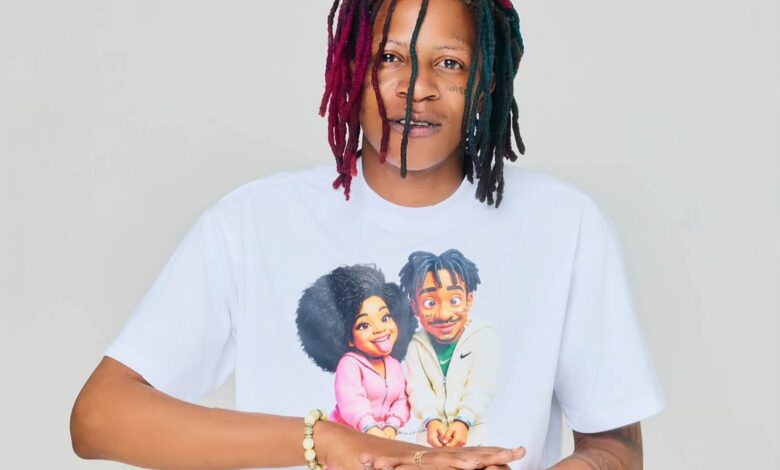
Zimdancehall scout and popular radio personality Godfatha Templeman has praised Hulengende’s camp for taking steps to professionalise the chanter’s music career by bringing in a management team to oversee his affairs. The move comes after the rising Zimdancehall star faced criticism from fans and event promoters over repeatedly failing to honour booked performances. His conduct had raised concerns about his commitment to professional obligations, with some critics accusing him of being greedy and showing little consideration for the people supporting his music. However, Templeman believes the introduction of proper management structures represents a positive change in the chanter’s career. He says the recent developments show that Hulengende may finally be taking the responsibilities that come with popularity more seriously.
Hulengende has been attracting considerable attention within Zimbabwe’s Zimdancehall scene, with his music and energetic performances helping him build a following. However, growing popularity also brings greater expectations from fans, promoters and event organisers. When an artiste accepts bookings, promoters make arrangements involving venues, advertising, finances and other logistical requirements. Fans also spend money and time attending events because they expect to see their favourite performers. Repeatedly failing to honour those commitments can damage an artiste’s reputation and weaken relationships with the people responsible for creating performance opportunities.
The concerns surrounding Hulengende became more noticeable following a series of missed shows that reportedly left promoters and fans frustrated. His recent announcement that he would not attend Nisha Ts’ event at Chitungwiza Aquatic Complex and another show scheduled for early December attracted further attention. The situation raised questions about how he was managing his performance commitments and whether he had adequate support behind the scenes. His subsequent public apology was therefore viewed as an important step towards addressing the concerns. For Templeman, the apology demonstrated that the chanter was beginning to recognise the importance of respecting his fans and professional partners.
Speaking about the development, Templeman said he had consistently advised young musicians to bring experienced management teams on board if they wanted to build sustainable careers. He believes talent alone cannot guarantee long-term success in the competitive music industry. Musicians also need people who can handle bookings, negotiate agreements, coordinate schedules and manage relationships with promoters. A professional management team can help artistes avoid unnecessary misunderstandings and make better decisions about their careers. Templeman believes Hulengende’s decision to embrace this approach could help him achieve greater success if he remains committed to the process.
The radio personality also praised the decision to publicly acknowledge the cancelled performances rather than allowing the matter to remain unresolved. He believes the apology was an important demonstration of accountability towards fans and event organisers. Public communication can help artistes maintain trust when unexpected circumstances affect their professional commitments. However, an apology must also be followed by consistent action if an artiste wants to rebuild a damaged reputation. Hulengende will therefore need to demonstrate that his new management arrangements can translate into reliable performances and better organisation.
Templeman warned that Zimbabwe’s music industry has seen talented musicians lose promising careers because they failed to embrace professionalism. According to him, an artiste can attract a large following and enjoy considerable popularity but still struggle if they cannot manage their responsibilities. The entertainment industry depends heavily on relationships, trust and reliability. Promoters are more likely to continue working with performers who respect agreed schedules and communicate openly when problems arise. For Hulengende, the challenge now is to turn the positive changes into a consistent professional approach that protects his growing career.
Another issue raised by Templeman concerns the practice of accepting multiple performance bookings on the same day. While musicians may see several bookings as an opportunity to increase their earnings, trying to fulfil commitments at different venues can create serious logistical problems. Delays, traffic, long distances and performance schedules can make it difficult to arrive at every event on time. Templeman explained that double bookings should be approached carefully, particularly when the venues are far apart. He suggested that performing in Harare and Chitungwiza on the same night could be more manageable than accepting commitments in Harare and Gweru within the same period.
His advice highlights the importance of proper scheduling in an industry where live performances remain an important source of income. Musicians need to consider travel time, sound checks, performance duration and other practical arrangements before accepting bookings. Management teams should also communicate clearly with promoters to avoid overlapping commitments. Accepting more shows does not necessarily translate into greater success if the artiste cannot fulfil the agreements. A well-organised schedule can help musicians earn money while protecting their relationships with promoters and maintaining the confidence of their supporters.
Templeman also expressed admiration for the new generation of young Zimdancehall performers who are embracing professional management at an early stage of their careers. Among the names he highlighted were King Alfa Kadiki and Ngwere Diki, whose affairs are being handled with the involvement of management teams. He believes this approach gives young performers an opportunity to develop within a structured environment. Rather than leaving children to make important career decisions on their own, proper management allows experienced adults to guide their activities. Family involvement also provides an additional layer of support and helps ensure that decisions consider the children’s interests.
The involvement of families is particularly important when dealing with young performers who are still developing their education and personal lives. Templeman explained that the families of these young artistes are consulted when performances and other professional activities are organised. This helps ensure that bookings do not interfere unnecessarily with school programmes and other responsibilities. He also described his own relationship with the youngsters as similar to that of an elder brother or parent. He said he makes an effort to provide guidance and support whenever they seek his advice.
Templeman dismissed concerns that young performers such as King Alfa Kadiki could experience burnout because of their growing number of bookings. He argued that proper management teams prioritise their welfare and make sure their professional activities do not interfere with important commitments. He gave the example of interview bookings, explaining that organisers should schedule them around school programmes and other responsibilities. He also emphasised that education must remain a priority for young musicians. His position is that children can develop successful entertainment careers without sacrificing their academic progress when responsible adults manage their activities properly.
The growing presence of young Zimdancehall performers has become an important talking point in Zimbabwe’s entertainment industry. Young musicians are attracting attention through their talent, confidence and ability to connect with audiences. However, their development requires more than public recognition and performance opportunities. They need responsible management, family support and guidance from people who understand the demands of the music business. Professional structures can help protect their interests while preparing them for the challenges of a competitive entertainment industry. Templeman believes the current crop of young performers has the potential to achieve significant success if they receive the right exposure and support.
Reflecting on developments in the music industry, Templeman described 2026 as an eventful year for emerging talent. He believes the success stories of young performers deserve recognition because they demonstrate how early opportunities can shape future careers. He also referred to Jamaican dancehall star Beenie Man, who began performing at a young age, as an example of how young talent can develop into an established music career. His comments suggest that starting young is not necessarily a disadvantage when performers receive proper guidance and support. However, he believes exposure and professional development are essential if Zimbabwean youngsters are to reach their full potential.
Templeman also mentioned Junior Spragga, who was mentored by the late Zimdancehall star Soul Jah Love. He recalled how Spragga received exposure when international reggae and dancehall musicians Luciano and Morgan Heritage visited Zimbabwe and invited him to be part of their musical experience. That opportunity helped introduce the young performer to influential figures beyond the local entertainment scene. Templeman believes similar opportunities could benefit King Alfa Kadiki and other emerging musicians. International exposure, mentorship and professional guidance can help young artistes develop their skills and understand the demands of performing beyond Zimbabwe.
The examples raised by Templeman reinforce his argument that the development of a successful music career requires a combination of talent, opportunity and proper management. Young performers need access to experienced industry figures who can help them make informed decisions. They also need opportunities to perform alongside established musicians, participate in interviews and reach audiences outside their immediate communities. At the same time, their education and personal welfare must remain protected. Creating this balance could help Zimbabwe’s next generation of Zimdancehall stars build careers that last beyond their early popularity.
For Hulengende, the introduction of a management team represents an opportunity to change the narrative surrounding his career. The public apology has provided an opening to rebuild relationships with disappointed fans and promoters, but maintaining that progress will require discipline and accountability. Templeman’s endorsement shows that established figures in the entertainment industry are encouraged by the move towards professionalism. His broader message also highlights the importance of giving young musicians the guidance and structures they need to succeed. As Zimbabwean Zimdancehall continues to produce new talent, proper management, responsible scheduling and respect for fans will remain essential ingredients for building sustainable music careers.