China-Zimbabwe Anti-Corruption Cooperation Seen as Catalyst for Economic Growth and Stronger Ties
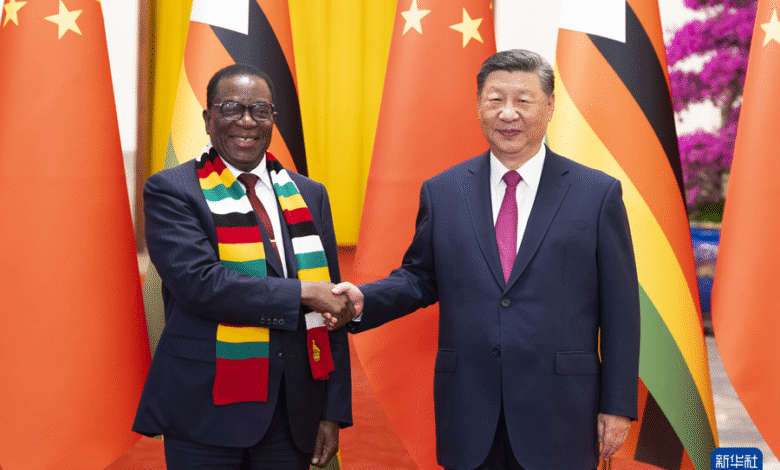
Working hand in hand to combat corruption could significantly boost economic growth and deepen diplomatic ties between Zimbabwe and China, according to Chinese Ambassador Zhou Ding. The ambassador shared this sentiment following a high-level meeting with Zimbabwe Anti-Corruption Commission (ZACC) chairperson Michael Reza.
Ambassador Zhou emphasised that fighting corruption is not just a domestic imperative but a shared global responsibility that can foster transparent cooperation and sustainable development. The meeting highlighted China’s commitment to advancing clean governance, while supporting Zimbabwe’s efforts to curb corruption as a means to unlock economic potential.
“Sharing China’s anti-corruption philosophy and achievements, I highlighted our zero-tolerance stance — an approach that resonates with the Zimbabwean government’s resolve to combat corruption as an enemy of development,” Zhou posted on his official X (formerly Twitter) account.
The ambassador also stressed China’s readiness to deepen anti-corruption collaboration through technical exchanges and training programmes. These efforts, he said, are part of a broader goal to ensure that joint ventures under the Belt and Road Initiative (BRI) are grounded in transparency and mutual benefit.
“We expressed readiness to enhance anti-corruption exchanges and facilitate capacity building programmes, jointly advancing the vision of a clean Belt and Road,” Zhou stated.
The renewed cooperation comes at a time when concerns over corruption continue to dominate discourse in Zimbabwe. Both civil society and the general public have repeatedly raised alarms about the corrosive effects of graft, which they argue is derailing economic progress and eroding public trust.
The partnership between Zimbabwe and China, already strong through extensive trade, infrastructure, and energy projects, could be further strengthened by joint efforts to promote accountability and good governance. Analysts believe that integrating anti-corruption strategies into bilateral frameworks may boost investor confidence and ensure that development assistance achieves its intended impact.
ZACC chairperson Michael Reza welcomed China’s support and shared commitment, describing the meeting as timely and strategic. “Collaborating with international partners who have successfully implemented anti-corruption mechanisms adds great value to our own efforts,” Reza said.
As Zimbabwe continues to push for economic reform and inclusive growth, the emphasis on integrity in both public and private sectors is becoming increasingly vital. The latest engagement with China signals not only a shared interest in cleaner governance but also a mutual understanding that long-term prosperity depends on the elimination of corruption at all levels.
The move to integrate anti-corruption cooperation into the broader diplomatic agenda underscores a growing consensus that economic growth and clean governance go hand in hand. For Zimbabwe, the partnership could mark a turning point in building a more transparent, accountable, and economically vibrant future.