Chinese Wuju Opera Troupe Delights Over 500 Guests at Cultural Show in Harare
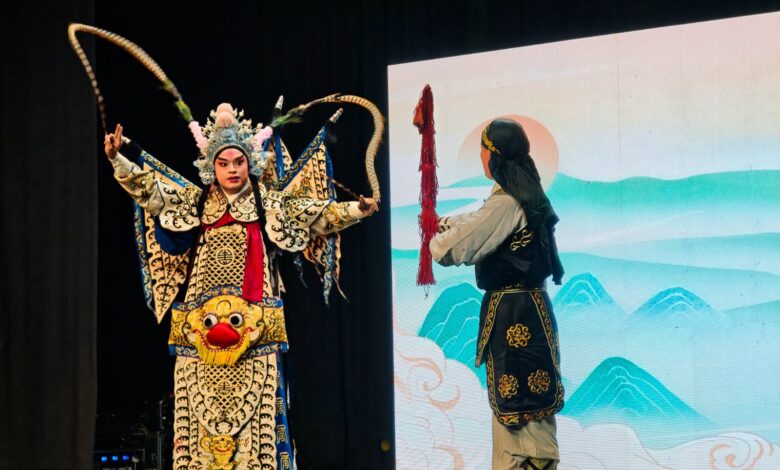
The Chinese Embassy in Zimbabwe hosted a vibrant cultural show at the 7 Arts Theatre in Harare last night, bringing the traditional art of Wuju Opera to a Zimbabwean audience. The performance attracted more than 500 guests who witnessed a unique display of Chinese culture, theatre and artistic expression. The visiting Wuju Opera troupe delivered a spectacular performance that earned enthusiastic applause from the audience. The event offered an opportunity for guests to experience a traditional Chinese art form without travelling beyond Zimbabwe’s capital. It also highlighted the role of cultural exchanges in bringing people from different backgrounds together through live performances.
Wuju Opera is a traditional form of Chinese opera known for its distinctive performance style and combination of theatrical elements. Like other Chinese opera traditions, it brings together acting, music, singing and carefully developed movements to tell stories on stage. Performers often rely on expressive gestures, stylised movements and detailed costumes to communicate emotions and bring characters to life. These features make the art form different from many forms of contemporary theatre that audiences may be more familiar with. For guests attending the Harare performance, the show provided a chance to appreciate the skill and discipline involved in preserving and presenting this cultural tradition.
The Wuju Opera troupe impressed the audience with a lively presentation that kept the focus firmly on the stage. The spectacular and scintillating performance drew applause from more than 500 guests, reflecting the excitement surrounding the cultural showcase. Live theatre allows performers to communicate directly with audiences through movement, sound and visual expression. This connection can make traditional art forms accessible even to people who may not be familiar with their cultural origins. The response at the 7 Arts Theatre demonstrated the appeal of presenting distinctive cultural experiences to a diverse audience.
The Chinese Embassy’s decision to host the event also placed cultural diplomacy at the centre of the evening. Cultural programmes create opportunities for people to learn about another country through its artistic traditions, rather than through formal discussions alone. Music, theatre and dance can communicate aspects of history and identity in ways that are engaging and memorable. By bringing a Wuju Opera troupe to Harare, the event introduced guests to a traditional Chinese performance style while creating space for cultural appreciation. Such occasions can help strengthen understanding between communities and encourage interest in the traditions that shape different societies.
Zimbabwe and China have maintained relations across several areas, including trade, investment, education and cultural cooperation. Cultural events add another dimension to these connections by giving people direct opportunities to encounter each other’s heritage. Performances by visiting artists can also encourage audiences to explore unfamiliar forms of theatre and learn more about the countries from which they originate. For Zimbabwean audiences, the Wuju Opera showcase offered a glimpse into a longstanding Chinese artistic tradition through a live and shared experience. These exchanges can contribute to stronger people-to-people connections alongside the wider relationship between the two countries.
Hosting the performance at the 7 Arts Theatre in Harare gave the troupe a platform to present its work to a sizeable local audience. The attendance of more than 500 guests made the show a notable cultural gathering, bringing together people to experience an art form rooted in Chinese tradition. Theatre venues play an important role in making international cultural programmes accessible to local communities. They provide a setting where audiences can engage with performances directly and respond to artists in real time. The applause that followed the troupe’s presentation was a defining feature of the evening.
Traditional performing arts also depend on opportunities to reach new audiences if they are to remain visible beyond their places of origin. International showcases allow artists to present established traditions to people who may encounter them for the first time. They can also encourage younger audiences to recognise the value of preserving cultural practices in a rapidly changing entertainment landscape. The Harare event demonstrated how a performance rooted in one country’s heritage can become a shared experience in another. By presenting Wuju Opera in Zimbabwe, the troupe helped broaden the range of cultural experiences available to local theatre audiences.
The show further illustrated how artistic expression can create common ground across language and cultural differences. Although audiences may not be familiar with every story, symbol or theatrical convention in a traditional performance, they can still appreciate the performers’ energy, timing and stage presence. The combination of visual expression and live performance gives traditional opera the potential to connect with people from different backgrounds. Such experiences can spark curiosity about the history and meaning behind the art form. They can also encourage further cultural exchanges that give artists and audiences more opportunities to learn from one another.
The Chinese Embassy’s Wuju Opera cultural show at the 7 Arts Theatre was therefore more than an evening of entertainment. It introduced over 500 guests to a distinctive Chinese art form and created an opportunity to celebrate cultural diversity in Harare. The troupe’s spirited performance and the applause it received made the gathering a memorable showcase of international artistic exchange. Events of this nature help preserve the visibility of traditional arts while building bridges between communities. As Zimbabwe and China continue to engage across different fields, cultural performances remain a valuable way to deepen mutual appreciation and bring their people closer together.