Zimbabwean Businessman Lawrence Mudzinganyama Faces Business Setback as Moriel Group Is Reportedly Blacklisted
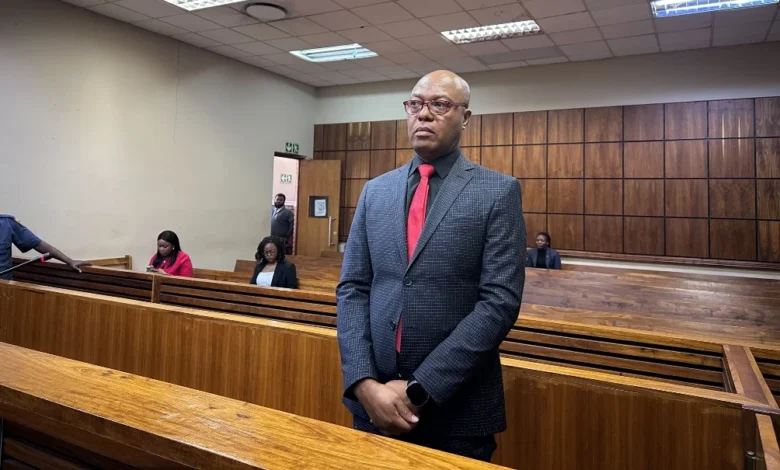
Zimbabwean businessman Lawrence Mudzinganyama has reportedly suffered a major business setback after his company, Moriel Group, was blacklisted and rendered ineligible to secure South African government contracts. The reported development comes as Mudzinganyama faces criminal charges relating to allegations that he threatened women in Sandton, South Africa. Moriel Group previously secured government tenders worth millions of rand, making the reported restriction a significant development for its operations and future business prospects. If the restriction remains in force, the company will be unable to qualify for new government contracts while it remains ineligible. The situation places renewed attention on the relationship between public procurement, business accountability and the legal challenges facing prominent businesspeople.
Moriel Group’s reported blacklisting could have important implications for a company that has previously benefited from South African government tender opportunities. Government contracts can provide businesses with substantial revenue, particularly when they involve large projects, ongoing services or agreements that extend over time. Losing eligibility for new tenders can therefore limit a company’s ability to expand its operations and compete for future public sector work. The impact may also extend to business planning, staffing and relationships with suppliers, depending on the company’s reliance on government contracts. However, the precise financial consequences for Moriel Group cannot be established from the information currently provided.
The reported restriction is particularly significant because Moriel Group has secured government tenders worth millions of rand in the past. Such contracts can give companies access to opportunities that might otherwise be difficult to obtain in competitive commercial markets. They also place businesses within a procurement system that requires compliance with applicable rules and eligibility requirements. When a company becomes ineligible to compete for new contracts, its future access to this source of business is affected. The duration of the reported restriction and the specific grounds for the decision would be important in determining its full implications.
Mudzinganyama has also attracted public attention because of criminal charges relating to allegations of threats against women in Sandton. These allegations form a separate legal matter from the reported restriction affecting Moriel Group. The existence of criminal charges does not, by itself, establish that the accused committed the alleged offences. Any determination of criminal responsibility must follow the applicable legal process and consider the evidence presented. It is therefore important to distinguish the allegations against Mudzinganyama from confirmed findings about the company’s eligibility to secure government contracts.
The circumstances surrounding the reported blacklisting raise broader questions about the standards businesses must meet when seeking public sector contracts in South Africa. Government procurement involves public money, making transparency, accountability and compliance important considerations for both contracting authorities and private companies. Businesses seeking tenders must satisfy the relevant eligibility requirements and comply with the rules governing the procurement process. Depending on the circumstances, restrictions on a supplier can affect its ability to participate in future opportunities. The specific legal or administrative basis for Moriel Group’s reported status, however, has not been established in the information available here.
For Moriel Group, the immediate concern is the reported loss of access to new government tenders while the restriction remains in place. Companies that depend heavily on public sector work may need to reconsider their commercial plans when their eligibility changes. This can involve assessing existing contractual obligations, exploring private sector opportunities and reviewing the requirements for restoring eligibility where an appeal or review process is available. The available information does not establish whether Moriel Group has challenged the reported decision or whether any route to reinstatement is currently being pursued. Its future prospects will depend on the circumstances surrounding the restriction and any subsequent developments.
The reported development also highlights the importance of separating business consequences from criminal proceedings. A company may face procurement restrictions under administrative rules, while an individual associated with it may face separate criminal allegations. The legal standards, procedures and potential outcomes in these matters are not necessarily the same. Clear information about the basis for a restriction is therefore essential when assessing its effect on a business. Similarly, allegations involving an individual should not be presented as proven misconduct unless a competent court has established the relevant facts.
As the situation develops, attention is likely to remain on Moriel Group’s reported blacklisting and the legal proceedings involving Mudzinganyama. Confirmation of the restriction’s grounds, duration and any review process would help clarify the company’s position within South Africa’s public procurement system. Further information about the criminal case would also be needed to establish its procedural status and eventual outcome. Until those details are confirmed, the reported business setback should be understood in the context of the available information rather than treated as proof of wrongdoing. The case highlights the importance of procurement transparency, fair legal processes and careful reporting when business interests and criminal allegations intersect.