Inaugural Reality TV Production Masterclass Sparks New Wave of Zimbabwean Creative Talent and Industry Growth
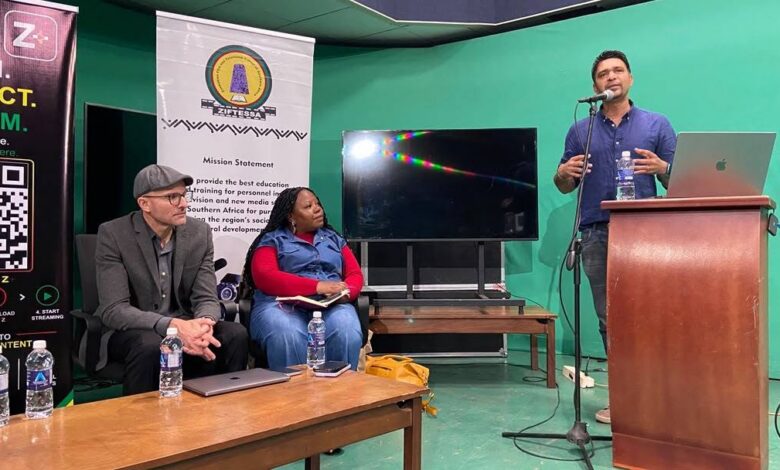
The inaugural Reality TV Production Masterclass has ended on a high note after three days of intensive training, networking, and industry exchange that brought together some of Zimbabwe’s most promising creative minds. The programme focused on building practical skills in unscripted content production, a sector that continues to grow globally as demand for reality-based storytelling increases. Participants left the sessions with stronger technical knowledge and a clearer understanding of how the reality television industry operates. The masterclass also created space for collaboration between established professionals and emerging creators. Its success reflects a rising appetite for structured creative development opportunities within Zimbabwe’s film and television sector.
The programme brought together producers, filmmakers, broadcasters, digital creators, and aspiring storytellers from different parts of the country. It was designed to close skills gaps while introducing participants to global standards in reality television production. Key focus areas included format creation, story development, production workflows, and distribution strategies across multiple platforms. Participants were also exposed to the business side of content creation, including how formats are packaged and sold to broadcasters and streaming platforms. The training sessions encouraged practical thinking and industry readiness rather than theoretical learning alone. This approach allowed attendees to directly connect creative ideas with real production processes.
A major highlight of the masterclass was its focus on storytelling techniques tailored for unscripted formats. Facilitators guided participants on how to build compelling narratives from real-life situations while maintaining authenticity and audience engagement. The sessions also explored how production teams manage unpredictable environments while still delivering structured content. Participants learned how editing, pacing, and character development play a role in shaping reality television stories. These insights helped bridge the gap between traditional filmmaking and modern unscripted content production. The training emphasized that strong storytelling remains the foundation of successful reality programming.
The programme also responded to current global content trends by introducing a dedicated session on micro-dramas. This fast-growing format focuses on short-form storytelling designed for mobile-first audiences who consume content in shorter bursts. Participants examined how micro-dramas are reshaping viewer habits and opening new opportunities for creators in digital spaces. The session also covered monetisation models, platform distribution, and audience engagement strategies for short-form content. Creators were encouraged to think beyond traditional broadcasting and explore digital-first approaches. This segment highlighted how the industry is evolving alongside changing technology and audience behaviour.
An experienced group of facilitators led the masterclass, bringing international and regional expertise into the training environment. Industry professionals such as Grant Sission, Shahir Chundra, Wesley Masilo Makgamatha, Monalisa Chisango, Kaya Counter, and Happy Dhliwayo shared practical insights drawn from years of work in television and film production. Their sessions covered both creative and technical aspects of content creation, offering participants a well-rounded learning experience. The facilitators also provided guidance on navigating industry challenges and building sustainable creative careers. Their involvement added credibility and depth to the programme. Participants were able to engage directly with professionals actively working in the field.
Special guest speakers Siza Mukwedini and Joe Njagu added further value to the event by sharing personal experiences from their careers in the creative industry. They encouraged participants to remain consistent, innovative, and committed to telling authentic African stories. Their discussions focused on resilience, opportunity creation, and the importance of collaboration in building strong creative ecosystems. They also highlighted the growing international interest in African content and the need for local creators to position themselves competitively. Their contributions inspired participants to think bigger about their potential impact. The sessions reinforced the idea that Zimbabwean creatives can compete on global platforms with the right skills and mindset.
Throughout the three-day programme, participants demonstrated strong engagement and enthusiasm, reflecting a growing demand for professional training in Zimbabwe’s creative sector. Many attendees actively contributed to discussions, shared ideas, and collaborated on potential project concepts. This level of participation highlighted the energy and potential within the local industry. Organisers noted that the response confirmed the need for more structured development programmes. The masterclass also created valuable networking opportunities that are expected to lead to future collaborations. It became clear that the sector is ready for more investment in skills development and industry exposure.
The event concluded with a major announcement from CineSprints, which confirmed plans to bring its internationally recognised 72-Hour Film Sprint to Zimbabwe later this year. The initiative challenges filmmakers to create a complete film within a limited timeframe, encouraging creativity under pressure and teamwork. Organisers believe this will give local creatives an opportunity to test their skills in a fast-paced, competitive environment. The announcement was well received by participants who saw it as a continuation of the momentum built during the masterclass. It also signals growing opportunities for hands-on industry experience in Zimbabwe. The initiative is expected to attract filmmakers from across the region.
As the programme came to a close, organisers expressed appreciation to all facilitators, speakers, partners, and participants who contributed to its success. The collaborative effort helped create an environment focused on learning, growth, and creative exchange. Participants left with improved skills, expanded networks, and renewed confidence in their ability to contribute to the industry. The masterclass also strengthened the foundation for future training initiatives in Zimbabwe’s media landscape. With upcoming projects like the 72-Hour Film Sprint on the horizon, the future of content creation in the country appears increasingly dynamic. The inaugural edition has set a strong benchmark for future industry development programmes.