Zimbabwean Poet Abel Mauchi Demands Payment for Poems Used in ZIMSEC Shona Textbooks
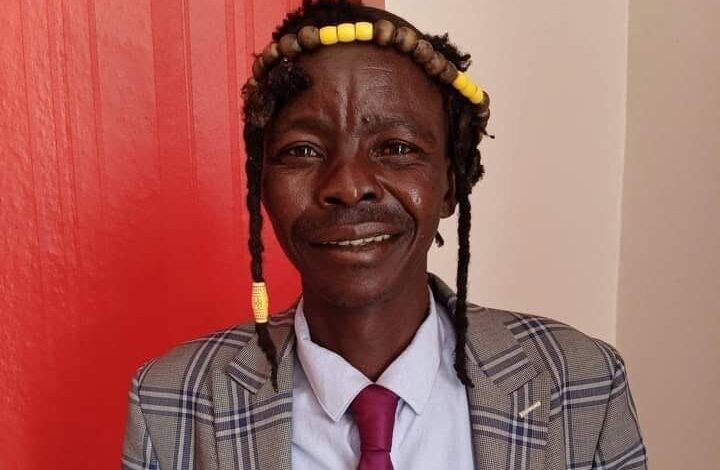
Zimbabwean poet Abel Mauchi has raised concerns over alleged unpaid royalties for his literary works, which he says have appeared in Form 4 ZIMSEC Shona setbooks since 2017. The poet claims that his poems have been included in textbooks used by Ordinary Level students for several years without him receiving compensation for their use. He is now demanding payment from the Zimbabwe School Examinations Council (ZIMSEC), the Ministry of Primary and Secondary Education and Book Love Publishers. Mauchi believes his contribution to Zimbabwe’s education system and literary industry deserves recognition and fair financial compensation. His complaints have brought attention to questions surrounding authors’ rights, publishing agreements and the payment of royalties for creative works used in schools.
In a video shared by Masvingo Mirror, Mauchi expressed frustration over what he considers years of being overlooked despite the continued use of his poetry in the education sector. He questioned why his literary works could benefit publishers and other institutions while he allegedly received no financial reward. According to the poet, his poems have formed part of the learning material for Form 4 Shona students since 2017. Their inclusion in school textbooks has given his work an educational role, exposing students to his writing and allowing them to study his poetry as part of their Ordinary Level curriculum. However, Mauchi argues that the recognition associated with having his work included in setbooks should also come with appropriate compensation.
The dispute has placed the issue of intellectual property rights in Zimbabwe’s publishing industry under the spotlight. Authors invest time, creativity and personal effort in producing literary works, and the use of those works in commercial publications can raise questions about royalties and contractual obligations. When poems, stories and other creative materials appear in educational textbooks, the terms governing their reproduction and distribution become particularly important. Writers need to understand the agreements they enter into with publishers and the rights they retain over their work. Mauchi’s complaint highlights the importance of ensuring that literary contributors receive clear information about how their work is used and how payments are handled.
Mauchi is directing his compensation demands towards ZIMSEC, the Ministry of Primary and Secondary Education and Book Love Publishers. He wants the organisations involved in the publication and use of the textbooks to address his concerns. However, the payment dispute appears to involve contractual arrangements between the poet and the publisher. ZIMSEC has reportedly advised him to approach Book Love Publishers, with whom he has a contract, regarding the outstanding payment concerns. This response suggests that the publishing agreement may be central to determining the responsibilities of the parties involved. The exact contractual terms and the reasons behind the alleged non-payment have not been established in the information provided.
The poet’s frustration also raises broader questions about how Zimbabwean writers benefit financially from educational publishing. School textbooks can reach large numbers of learners and remain in use for extended periods, creating opportunities for authors whose work is selected for the curriculum. However, the financial benefits depend on the agreements governing the use of individual contributions. Writers may receive royalties, once-off payments or compensation under other arrangements, depending on their contracts. Without transparent communication, disagreements can develop over payment amounts, distribution figures and the duration of publishing rights. Mauchi’s case has therefore drawn attention to the need for stronger awareness of publishing contracts and the protection of authors’ interests.
Beyond his demand for compensation, Mauchi has also made an unusual request involving Great Zimbabwe University (GZU). He wants the institution to award him a degree, arguing that he is the first person whose poems, written after reaching Grade 7, are now being studied by Ordinary Level students. He appears to believe that the educational recognition given to his literary work should also be acknowledged through an academic qualification. His argument reflects the pride he takes in seeing his poetry included in formal learning materials. However, the use of someone’s work in a school curriculum does not automatically establish eligibility for an academic degree. Universities generally award qualifications through established academic processes and assessment requirements.
Mauchi’s request nevertheless highlights an important discussion about the relationship between creative achievement and formal academic recognition. Zimbabwe has writers and poets whose contributions to literature extend beyond traditional academic qualifications. Literary creativity can influence education, preserve cultural experiences and introduce young people to different ways of understanding society. Having poems selected for study can represent a significant achievement for a writer, particularly when the work becomes part of the learning experience of thousands of students. At the same time, academic qualifications and literary recognition serve different purposes. Mauchi’s appeal to GZU reflects his desire for his contribution to be acknowledged beyond the pages of school textbooks.
Shona literature plays an important role in Zimbabwe’s education system because it helps preserve language, culture and local literary traditions. Students studying Shona poetry encounter different writing styles, themes and forms of expression while developing their understanding of the language. Setbooks also introduce learners to writers whose experiences and perspectives can enrich classroom discussions. For authors, inclusion in the curriculum can provide lasting recognition and establish their work among the literary materials studied by future generations. However, educational recognition should not replace the need for fair publishing arrangements and respect for intellectual property rights.
The case also highlights the challenges that independent writers can face when dealing with publishers and institutions. Many authors focus heavily on producing quality literary work without necessarily having detailed knowledge of publishing contracts, royalty structures and copyright arrangements. This can leave them uncertain about their rights when their work appears in commercially distributed books. Clear agreements should explain payment terms, the permitted use of literary material and the responsibilities of each party. Publishers and authors also benefit from maintaining proper records and communicating openly about sales, licensing and payments. Such practices can help prevent disputes and protect relationships within the literary industry.
For Mauchi, the immediate priority remains resolving the alleged payment dispute and securing recognition for his contribution. His claims have raised questions that will require clarification from the organisations involved, particularly Book Love Publishers and the relevant education authorities. The publishing contract is likely to be important in determining what compensation, if any, is due and which party carries the responsibility for making payment. Until the relevant details are established, the allegations should be treated as Mauchi’s account of the dispute rather than a confirmed finding of wrongdoing. A transparent resolution would help clarify the situation and provide greater certainty for everyone involved.
The controversy surrounding Abel Mauchi’s ZIMSEC Shona poems is a reminder that literary creativity deserves both recognition and proper protection. Authors who contribute to educational materials should have a clear understanding of how their work will be used and what financial arrangements apply. His demand for unpaid royalties has opened a wider conversation about intellectual property, publishing contracts and the treatment of Zimbabwean writers. His request for an academic degree has also drawn attention to the different ways society recognises creative and educational contributions. As the dispute develops, a clear explanation of the contractual arrangements and a fair resolution could help address Mauchi’s concerns while reinforcing the importance of respecting the rights of Zimbabwe’s literary creators.