Temba Mliswa Urges Zimbabwe Government to Intervene Over Rossana Hall’s Miss Universe Visa Challenges

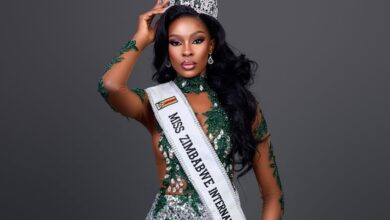
Former Norton legislator Temba Mliswa has called on the Government of Zimbabwe to urgently intervene and assist Miss Universe Zimbabwe representative Rossana Hall, who is reportedly facing visa challenges ahead of the international Miss Universe competition in Puerto Rico. Mliswa has expressed concern that the situation could prevent the young beauty queen from representing her country on one of the world’s most recognised international stages. He believes that Rossana’s participation goes beyond personal achievement because she carries the hopes, identity and national pride of Zimbabweans. His appeal has placed the spotlight on the importance of government support for citizens representing the country at major international events. He has urged the relevant authorities to treat the matter with urgency and explore every possible avenue to resolve the reported visa difficulties.
Mliswa’s intervention comes at a critical time for Rossana Hall, whose participation in the Miss Universe competition represents an important opportunity to showcase Zimbabwe’s beauty, culture and national identity. International beauty pageants attract attention from audiences across different countries and provide contestants with opportunities to promote their nations beyond traditional sporting, political and cultural platforms. For Zimbabwe, having a representative compete at this level offers an opportunity to increase the country’s visibility and present a positive image to the international community. However, visa complications can create significant obstacles for contestants, particularly when international travel arrangements involve strict immigration requirements and competition deadlines. Mliswa believes that such challenges should receive the necessary attention from government officials to prevent circumstances beyond the contestant’s control from undermining her opportunity.
In his appeal, the former legislator emphasised that Rossana Hall is not simply participating as an individual seeking international recognition. She is also representing Zimbabwe and carrying the expectations of people who want to see their country represented with dignity and pride. This perspective highlights the wider significance of national representation at international events. Contestants often spend considerable time preparing for competitions that demand discipline, confidence, public speaking skills and cultural awareness. Their participation can also help introduce international audiences to their country’s traditions, values and identity. Preventing a representative from participating because of unresolved administrative challenges would therefore be a disappointing outcome for both the contestant and the people she represents.
Mliswa has called on the Government of Zimbabwe to consider diplomatic intervention as a possible way of addressing the reported visa challenges. Such intervention could involve relevant government departments, diplomatic representatives and other appropriate authorities working together to establish the nature of the problem and identify possible solutions. International travel requirements must still be respected, and neither government intervention nor diplomatic engagement can guarantee the approval of a visa. However, timely communication between the relevant institutions may help clarify outstanding requirements and prevent unnecessary delays. Mliswa’s appeal reflects the importance of government institutions supporting Zimbabweans who participate in legitimate international activities. He believes that the country should make every reasonable effort to ensure Rossana receives a fair opportunity to compete.
The Miss Universe Organisation has also been urged to explore possible solutions within its authority to help address the situation. As the international body responsible for the competition, the organisation may be able to provide relevant documentation, clarify participation requirements or communicate with appropriate stakeholders where necessary. Cooperation between the pageant organisers, Zimbabwean authorities and relevant diplomatic representatives could help establish whether there is a practical way forward. Such engagement would be particularly important if the reported difficulties involve documentation, travel arrangements or other administrative matters. Nevertheless, any solution would need to comply with the applicable immigration laws and regulations. A coordinated approach could help ensure that all available options are considered before the competition opportunity is lost.
Visa challenges are not uncommon in international events where participants must travel across borders under different immigration systems. Even when contestants have secured their national titles and completed their preparations, they remain subject to the entry requirements of their destination countries. These requirements may include valid travel documents, visa approvals and supporting paperwork. Delays or complications can become especially difficult when international competitions operate under fixed schedules. For contestants, the uncertainty can create pressure at a time when they should be concentrating on preparation and performance. Rossana Hall’s reported situation therefore highlights the importance of early travel planning and effective coordination between national pageant organisers and international competition authorities.
Zimbabwe has a strong interest in ensuring that its citizens receive opportunities to participate in international cultural and entertainment platforms. Beauty pageants can contribute to tourism promotion, cultural exchange and international visibility when contestants use their platforms to communicate meaningful messages about their countries. A representative such as Rossana Hall can introduce international audiences to Zimbabwe’s people, heritage and potential. Her participation can also inspire young Zimbabweans who aspire to pursue opportunities beyond the country’s borders. This makes the reported visa difficulties more than a personal administrative concern. They have become a matter of national interest, particularly for those who believe that Zimbabwe should actively support its representatives on the international stage.
Mliswa’s statement also raises broader questions about the support available to Zimbabweans selected to represent the country abroad. While individual contestants and private pageant organisers carry much of the responsibility for preparing for international competitions, government assistance can sometimes become necessary when diplomatic or administrative challenges arise. Clear communication between organisers and government departments can help identify potential difficulties before they become urgent problems. Establishing effective support arrangements for international representatives could also benefit athletes, artists, entrepreneurs and other citizens participating in global events. Such support does not mean bypassing established regulations. Instead, it involves ensuring that Zimbabweans receive appropriate assistance when legitimate challenges threaten their ability to participate internationally.
For Rossana Hall, the immediate priority remains finding a practical solution that allows her to meet the competition’s travel requirements and participate if all necessary approvals are secured. The reported visa challenges have created uncertainty around an opportunity that carries considerable personal and national significance. Mliswa’s appeal has drawn attention to the situation and encouraged the government and the Miss Universe Organisation to consider possible diplomatic and administrative solutions. However, the precise nature of the visa difficulties and the outcome of any intervention remain important details that require confirmation. Until a resolution is established, the focus will remain on whether the relevant stakeholders can work together in time. A timely response could make a meaningful difference to the contestant’s chances of reaching the international competition.
The situation involving Temba Mliswa and Rossana Hall ultimately highlights the importance of supporting Zimbabweans who earn opportunities to represent their country internationally. A national representative should not have to face avoidable administrative uncertainty without receiving appropriate assistance from the relevant institutions. Mliswa’s call for government intervention reflects a belief that national pride should translate into practical support when citizens encounter challenges beyond their control. The Government of Zimbabwe and the Miss Universe Organisation now face calls to explore every legitimate option available to address the reported visa difficulties. For Rossana Hall, the opportunity to compete in Puerto Rico represents more than a beauty pageant appearance. It is a chance to carry Zimbabwe’s name onto an international stage, celebrate its identity and demonstrate the country’s presence before a global audience.