The Caine Prize Confirms Simbarashe Steyn Kundizeza as 2026 Winner After AI Investigation
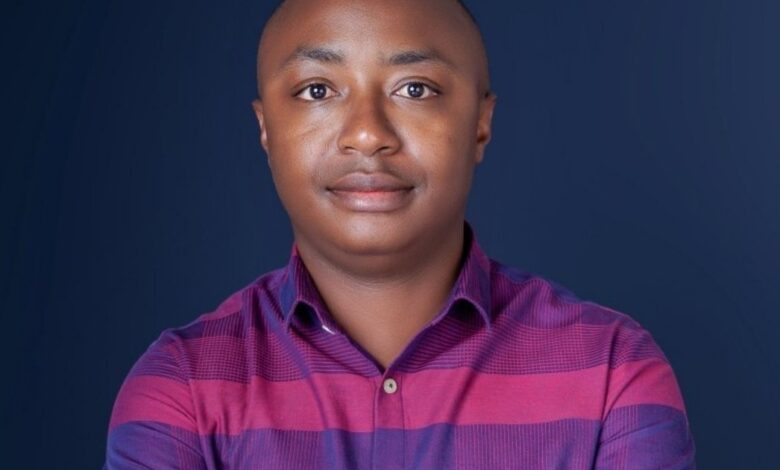
The Caine Prize for African Writing has confirmed that Zimbabwean writer Simbarashe Steyn Kundizeza will retain the prestigious 2026 literary award following an investigation into allegations that his winning story, The Blue Fighter, may have been generated using artificial intelligence. The decision brings an end to concerns that emerged after questions were raised about the story’s authorship and creative process. Following an internal review, the Caine Prize Board of Trustees concluded that there were no grounds to withdraw the award. Kundizeza therefore remains the official winner of the 2026 edition of one of Africa’s most recognised literary competitions. The decision also brings renewed attention to the growing debate about artificial intelligence, creative writing and the standards of originality expected in contemporary African literature.
The controversy began after allegations concerning The Blue Fighter were published in The Atlantic by Vauhini Vara. The claims raised questions about whether artificial intelligence had played a role in producing the story that secured Kundizeza the 2026 Caine Prize. Given the importance of the award within African literary circles, the allegations prompted questions about the judging process and the authenticity of the winning entry. The Caine Prize subsequently initiated a formal review to establish the facts surrounding the story’s creation. The investigation was launched on 11 October 2026, with the organisers seeking to assess the concerns through interviews and technical examination rather than relying solely on public claims.
The investigation involved several stages designed to examine the circumstances surrounding the submission and publication of The Blue Fighter. Kundizeza participated in rigorous interviews as part of the review, allowing the investigation team to examine questions about his writing process and the development of the story. Members of the 2026 judging panel were also interviewed to establish how the work was assessed during the competition. The investigation further involved The Shallow Tales Review, the publication where the winning story first appeared. This approach allowed the reviewers to consider the perspectives of the author, the judges and the publication involved in bringing the story to readers.
One of the most significant aspects of the investigation was an independent cybersecurity and digital forensic analysis of Kundizeza’s manuscript drafts. This examination focused on the available digital evidence relating to the development of the story. Manuscript drafts can provide useful information about how a literary work evolves, including changes made during the writing and editing process. In cases involving allegations of AI-generated content, digital evidence may help investigators understand the history of a document and assess claims about its creation. The inclusion of independent forensic analysis therefore formed an important part of the Caine Prize’s effort to reach an informed decision.
Following the review, the Board of Trustees confirmed that the 2026 Caine Prize award would stand. The board also affirmed Kundizeza’s position as the winner, dismissing the concerns raised about the story’s use of artificial intelligence as grounds for disqualification. Its decision means that The Blue Fighter retains its status as the winning entry and that Kundizeza keeps the literary recognition associated with the award. The board has also declared the matter closed. This brings the formal investigation to an end and provides clarity on the author’s standing within the 2026 competition.
The decision is significant for Kundizeza, whose achievement had been placed under public scrutiny following the allegations. Winning the Caine Prize represents an important milestone for any African writer, offering recognition within a literary community that celebrates outstanding storytelling from across the continent. Questions about the originality and authorship of a winning work can have serious consequences for an author’s reputation, particularly when they involve the possible use of artificial intelligence. The board’s decision allows Kundizeza to retain the recognition he received through the competition. It also reinforces the importance of examining allegations carefully before making decisions that could affect an author’s career.
The controversy has also highlighted the growing influence of artificial intelligence in the literary world. AI writing tools have become increasingly accessible, creating new opportunities for writers while raising difficult questions about originality, authorship and creative responsibility. Some writers use these technologies for research, editing or generating ideas, while others avoid them because of concerns about their impact on human creativity. Literary competitions face the additional challenge of establishing clear rules about acceptable AI use and determining how to respond when questions arise about a submitted work. The Caine Prize investigation demonstrates the importance of having procedures that can examine such concerns through evidence and independent assessment.
For African literature, the debate carries particular importance because literary awards such as the Caine Prize provide international visibility for writers and stories from the continent. The prize has become an important platform for recognising African storytelling and introducing talented authors to wider audiences. Its winners contribute to conversations about identity, culture, history and contemporary experiences across Africa. Maintaining public confidence in the award therefore requires transparent judging procedures and careful consideration of questions surrounding literary integrity. The decision to uphold Kundizeza’s award provides an opportunity for the literary community to reflect on how established creative standards should apply as writing technologies continue to change.
The involvement of The Shallow Tales Review is another important part of the story. As the publication where The Blue Fighter first appeared, it was among the parties considered during the investigation. Literary magazines and journals play an important role in discovering emerging writers and providing platforms for new creative work. Their editorial processes can also become relevant when questions arise about authorship, originality or the preparation of published material. Including the publication in the review helped the investigators consider the story’s journey beyond the author’s own account. It also highlighted the shared responsibility that writers, editors and literary organisations have in protecting confidence in published work.
The Caine Prize’s decision is likely to remain part of wider discussions about the relationship between artificial intelligence and literature. As technology develops, literary institutions may face more questions about how to distinguish human creativity from AI-assisted writing. Establishing clear submission policies and reliable methods of reviewing concerns will become increasingly important. However, the existence of AI writing tools does not automatically mean that every disputed literary work has been generated by artificial intelligence. Each allegation requires careful consideration of the available evidence and the specific rules governing the competition. The Caine Prize has now completed its review and confirmed that Kundizeza retains his award.
With the investigation officially closed, Simbarashe Steyn Kundizeza remains the 2026 Caine Prize winner for The Blue Fighter. The board’s decision marks an important outcome for the Zimbabwean writer and provides a formal resolution to the controversy surrounding his achievement. It also sends a message about the importance of evidence-based investigations when questions arise over authorship and the use of emerging technologies in creative work. While discussions about artificial intelligence and literary originality are likely to continue, the Caine Prize has made its position clear on this particular case. Kundizeza keeps his prestigious award, and The Blue Fighter remains the recognised winning story of the 2026 competition.