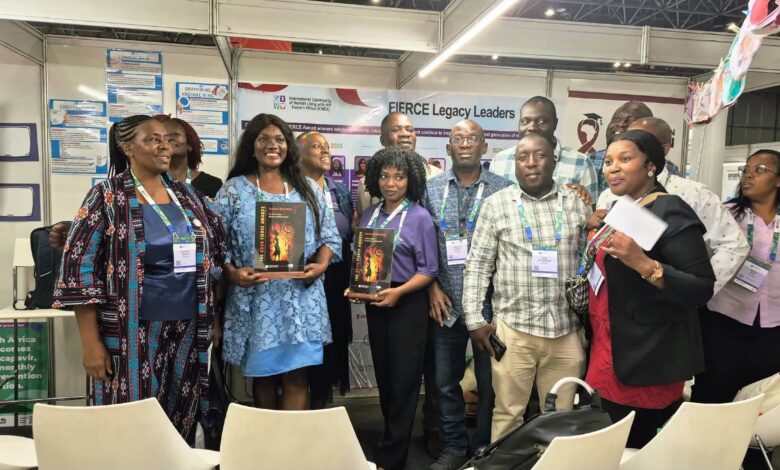
Zimbabwean HIV activist Tendai Westerhof has received international recognition for her lifelong commitment to advancing the rights of women living with HIV. At the 26th International AIDS Conference, also known as AIDS 2026, held in Rio de Janeiro, Brazil, Westerhof was presented with the prestigious Ruth Cardoso Movement Building Award. The honour celebrates more than three decades of dedicated service, advocacy and leadership in strengthening community-led HIV responses across Zimbabwe and the African continent. Her recognition highlights the critical role that grassroots activists continue to play in the global fight against HIV and AIDS. It also serves as a reminder that lasting progress is achieved through the determination of individuals and communities working together toward a common goal.
As the Founder of the Pan-African Positive Women’s Coalition Zimbabwe (PAPWC-ZIM) and a board member of the National AIDS Council, Tendai Westerhof has become one of Zimbabwe’s most respected voices in HIV advocacy. Throughout her career, she has worked tirelessly to empower women living with HIV by promoting leadership, encouraging community participation and advocating for equal access to healthcare and support services. Her work has focused on ensuring that women affected by HIV are not only recipients of services but also active leaders in shaping policies and programmes that affect their lives. By championing gender equality and human dignity, she has helped create stronger and more inclusive communities that place people living with HIV at the centre of the response. Her leadership has inspired many women to speak openly about their experiences and become advocates within their own communities.
The Ruth Cardoso Movement Building Award recognises individuals who have made outstanding contributions to strengthening community movements and advancing meaningful change in the global HIV response. Westerhof’s selection reflects decades of commitment to building sustainable, community-driven initiatives that continue to improve lives. Rather than relying solely on institutional support, she has consistently encouraged communities to take ownership of HIV awareness, education and support programmes. Her work demonstrates that local leadership and community engagement remain essential pillars of an effective public health response. This recognition places Zimbabwe’s community health advocacy on the international stage and celebrates the country’s contribution to the global movement against HIV and AIDS.
While accepting the award, Westerhof made it clear that the recognition belonged to many people rather than herself alone. She described the honour as a tribute to the countless women living with HIV whose courage, resilience and solidarity have sustained the movement for decades. According to her, every milestone achieved in the HIV response has been made possible through collective action and mutual support. She dedicated the award to women who have continued fighting for dignity, equality and access to healthcare despite facing discrimination and social challenges. Her message reflected the collaborative spirit that has defined much of the global HIV movement since its earliest years.
Westerhof also used the international platform to address one of the most pressing issues facing HIV programmes today, which is declining financial support. She acknowledged that the global HIV response is experiencing funding challenges that could affect treatment programmes, prevention efforts and other critical services. However, she encouraged women and communities not to become discouraged by these developments. Reflecting on the early years of the HIV response, she reminded delegates that communities mobilised long before significant donor funding became available. Volunteers, local leaders and grassroots organisations laid the foundation for many of today’s successful programmes by creating awareness, encouraging HIV testing and supporting those affected by the virus.
Her remarks highlighted an important lesson about the strength of community ownership in public health initiatives. Westerhof explained that the HIV movement was built through determination, volunteerism and collective action rather than financial resources alone. She stressed that communities should continue driving these initiatives because they were created by ordinary people responding to extraordinary circumstances. While funding remains important for expanding services and reaching more people, she believes the commitment of communities remains the most valuable resource in sustaining progress. Her words served as an inspiring reminder that resilience and unity can help overcome even the most difficult challenges.
The award also marks a significant personal milestone for Westerhof, who celebrated her 60th birthday just one month before receiving the international honour. Rather than viewing the recognition solely as an individual achievement, she described it as a reflection of the accomplishments of women living with HIV throughout Zimbabwe and beyond. Over the course of her career, she has witnessed major changes in HIV treatment, awareness and advocacy while remaining committed to empowering others. Her journey demonstrates how sustained leadership and community engagement can create meaningful social change over many years. Reaching this milestone while receiving one of the HIV sector’s respected international awards makes the moment particularly meaningful for both her and the organisations she represents.
Zimbabwe has made notable progress in strengthening its HIV response through partnerships between government institutions, community organisations and international stakeholders. Leaders such as Tendai Westerhof have played an important role in ensuring that people living with HIV remain at the centre of national and regional conversations about healthcare, human rights and gender equality. Their advocacy has contributed to greater awareness, reduced stigma and stronger support systems for vulnerable communities. Continued investment in community leadership will remain essential as countries work toward ending HIV as a public health threat. The recognition of Zimbabwean advocates on global platforms also reinforces the country’s contribution to international public health efforts.
Tendai Westerhof’s receipt of the Ruth Cardoso Movement Building Award stands as a powerful celebration of perseverance, compassion and community leadership. Her decades of advocacy have transformed lives by empowering women living with HIV to become leaders, advocates and agents of change within their communities. At a time when the global HIV response faces financial uncertainty, her message of resilience and collective responsibility offers hope for the future. The award honours not only her remarkable achievements but also the countless women whose courage has strengthened the movement over the years. As Zimbabwe and the global community continue working toward an AIDS-free future, Westerhof’s legacy will remain an enduring example of how dedicated community leadership can inspire lasting change.