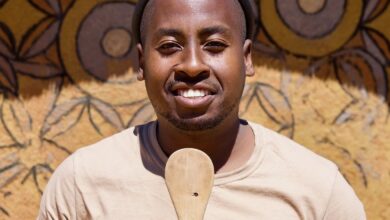
From Zimbabwe to Ireland: Chef Tkay’s Journey to Culinary Success
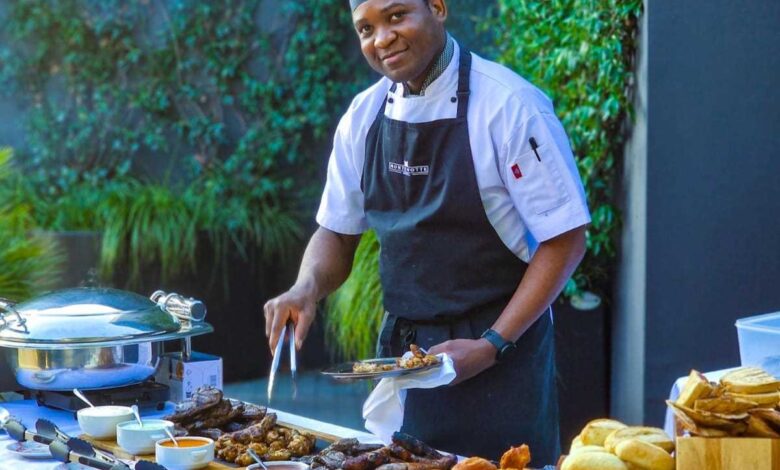
In the quiet dawn hours of Cork, Ireland, as the aroma of fresh bread and simmering sauces fills The Montenotte Hotel’s kitchen, a figure moves with measured grace and purpose. It’s Tawanda Kuzanga—better known in culinary circles as Chef Tkay—a Zimbabwean chef whose story is as rich and layered as the dishes he crafts.
Now a Sous Chef at one of Ireland’s top boutique hotels, Chef Tkay is marking ten transformative years in the culinary world. His journey began in 2015 in Zimbabwe, and it’s a tale of resilience, creativity, and the kind of discipline that turns dreams into destinations.
Humble Beginnings with Big Dreams
Born with a passion for food and storytelling through flavor, Chef Tkay’s earliest days in the kitchen weren’t glamorous. After graduating from Bulawayo’s School of Hospitality and Tourism with a Professional Cookery certificate, he stepped into the bustling kitchen of Caribbea Bay Hotel as an apprentice.
He wasn’t crafting gourmet meals—he was cleaning stations, labeling containers, and portioning ingredients with exacting care.
“That was my boot camp,” Tkay recalls. “Before you command a kitchen, you have to respect its rhythm.”
Rising Through the Ranks in Zimbabwe
In just a few years, Chef Tkay earned positions at Victoria Falls Safari Lodge and The Boma, two of Zimbabwe’s premier culinary destinations. There, he began transforming traditional dishes with a touch of international flair, designing allergy-sensitive meals, and meticulously updating recipe books with detailed costing—a sign of both creativity and culinary intelligence.
He wasn’t just feeding guests; he was redefining what hospitality could look like in Zimbabwe’s fine dining spaces.
Tested by the High Seas
A defining chapter in Tkay’s story came when he joined Norwegian Cruise Line. At sea, he cooked for thousands under rigorous U.S. Public Health standards. In this pressure-filled environment, speed, precision, and hygiene weren’t just important—they were survival.
“It sharpened every skill I had. I learned how to deliver excellence, fast, under pressure,” he says.
That experience didn’t just test his skills—it set him up for leadership.
Leading from the Front
In 2021, Tkay returned to dry land as Head Chef at Hippo Pools Wilderness Camp. For the first time, he led a kitchen of his own. He developed menus, trained junior chefs, and managed budgets. He didn’t just run a kitchen—he created a space for others to grow, bringing the same energy he once received as a young apprentice.
Then came another leap.
New Horizons in Ireland
Since 2022, Ireland has been home. At The Montenotte Hotel in Cork, Chef Tkay now serves as Sous Chef. His role demands precision, mentorship, and creativity at the highest level. From inventory control to plating standards, every detail matters—and Tkay delivers.
He’s not just crafting dishes; he’s creating stories on a plate.
“Every meal is a message,” he says. “It tells you where I’ve been, what I’ve learned, and how I want you to feel.”
A Legacy in the Making
While Tkay celebrates ten years in the culinary world, he’s not slowing down. Whether it’s mentoring young chefs, developing future cookbooks, or dreaming of his own restaurant, one thing remains clear—his passion is still burning strong.
For aspiring chefs in Zimbabwe and beyond, his journey is proof that talent, discipline, and determination can take you across oceans and into the world’s best kitchens.
“I want young Zimbabweans to know: your roots can take hold anywhere if you have the courage to grow.”
As he stands in the kitchen today—far from home, yet completely at home—Chef Tkay isn’t just cooking meals. He’s crafting a legacy, one plate at a time.