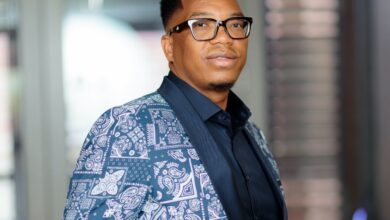
Cheryl Sambadzai Calls for Inclusive Education at Ashe Masimba Foundation Launch

Miss Charm Zimbabwe 2026 Cheryl Sambadzai has called for a broader and more transformative approach to education for students with disabilities. Sambadzai was honoured to be invited as a guest speaker at the launch of The Ashe Masimba Foundation, an initiative focused on empowering students with disabilities and championing greater access to educational opportunities. Her participation placed the issue of inclusive education at the centre of an event dedicated to creating meaningful opportunities for young people. She used the platform to emphasise that access to education should extend to every child regardless of their circumstances. Her message highlighted inclusion as a matter of human dignity, justice and shared responsibility rather than an act of charity.
The Ashe Masimba Foundation seeks to empower students with disabilities by supporting access to educational opportunities and challenging barriers that can prevent young people from reaching their potential. Education plays an important role in helping children develop knowledge, confidence and skills that can shape their future. When students face barriers because of disability, those obstacles can affect far more than their academic progress. They can limit opportunities for employment, independence and participation in wider society. Ensuring that students with disabilities can access appropriate educational opportunities is therefore an important part of building a society where every young person has a genuine opportunity to develop their abilities.
Sambadzai argued that the conversation around disability and education needs to move beyond simply adding people with disabilities to existing systems. She posed a deeper question about whether those systems themselves have been designed in ways that create exclusion. Rather than asking how disabled people can fit into structures that already exist, she challenged society to consider how those structures can be transformed so exclusion is no longer built into them. This approach shifts the responsibility from individuals who face barriers to the institutions and systems responsible for removing those barriers. It also creates space for a broader understanding of inclusion that considers accessibility, dignity and equal opportunity from the beginning.
Her comments underline the difference between inclusion and charity. Sambadzai stressed that inclusion is not about feeling sorry for people with disabilities or offering assistance simply because they are perceived as vulnerable. It is about recognising that every person has potential and can contribute to the development of society when given the opportunity to do so. Students with disabilities should therefore be viewed as learners with abilities, ambitions and aspirations rather than defined primarily by their disabilities. Creating accessible educational environments allows those students to develop their strengths and participate more fully in their communities.
The issue also raises important questions about how schools and other educational institutions approach accessibility. True inclusion requires more than simply allowing students with disabilities through the school gates. It can involve accessible infrastructure, appropriate learning resources, supportive teaching approaches and environments that allow students to participate meaningfully. It also requires awareness among educators, families and communities about the different needs of learners. Addressing these areas can help ensure that inclusion becomes part of everyday educational practice rather than remaining a principle discussed only during special events.
For families raising children with disabilities, access to quality education can have a significant impact on their expectations for the future. Parents and guardians want their children to have opportunities to learn, develop skills and build independent lives. When educational systems fail to accommodate learners with disabilities, families can face additional challenges in finding suitable opportunities. Initiatives such as those championed by The Ashe Masimba Foundation can help bring attention to these gaps and encourage broader discussions about practical solutions. The focus on empowerment is particularly important because it places the abilities and aspirations of students at the centre of the conversation.
Sambadzai’s role as Miss Charm Zimbabwe 2026 also gives her a platform to bring attention to social issues beyond the pageant stage. Her appearance at the foundation’s launch demonstrated how public figures can use their visibility to support conversations that affect communities. Speaking about inclusive education allows her to connect her public role with an issue that has consequences for children, families and society as a whole. Her message also encourages people to think about disability through the lens of opportunity rather than limitation. By raising these questions publicly, she contributes to a wider conversation about the kind of educational systems communities should build for future generations.
The foundation’s focus on students with disabilities also comes at a time when education continues to be closely linked to social and economic opportunity. A child who receives appropriate educational support has a stronger foundation for developing skills that can later contribute to employment, entrepreneurship and community development. Exclusion from education can create barriers that continue into adulthood. Addressing those barriers early can therefore have benefits that extend beyond the classroom. Supporting inclusive education is not only about improving individual outcomes but also about ensuring that society does not lose the contributions of people whose potential may otherwise remain underdeveloped.
Sambadzai’s call for systemic transformation provides an important perspective on how inclusion should be approached. If institutions design accessibility into their structures from the outset, students with disabilities do not have to repeatedly ask for exceptions or adjustments simply to participate. This can create educational environments where diversity is treated as a normal part of the learning community. It also encourages institutions to identify barriers before they prevent students from participating. Such an approach can make inclusion more sustainable and help move the conversation from temporary interventions towards long-term change.
The launch of The Ashe Masimba Foundation therefore represents an opportunity to keep the discussion about disability, education and empowerment moving forward. The foundation’s work can help draw attention to students whose educational needs may not always receive sufficient recognition. Sambadzai’s message reinforces the idea that the goal should not simply be to provide access but to create systems where students with disabilities can participate, learn and thrive. Her emphasis on dignity and justice places education within a wider discussion about equal opportunity and human rights. It also challenges communities to consider what practical changes are needed to ensure that no child is excluded because of circumstances beyond their control.
Cheryl Sambadzai’s participation in the launch of The Ashe Masimba Foundation has placed a clear message at the centre of the conversation: every child deserves an opportunity to learn and realise their potential. Her call to transform systems rather than expecting people with disabilities to adapt to exclusionary structures offers a powerful way to rethink inclusive education. The foundation’s focus on empowering students with disabilities further demonstrates the importance of creating opportunities that extend beyond symbolic support. Education should open doors rather than reinforce barriers, and inclusion should recognise the abilities and contributions of every learner. By championing these principles, Sambadzai has used her platform to encourage a more equitable approach to education where disability does not determine how far a child can go.