Zimbabwe Launches National Menstrual Health Education Package to Tackle Period Poverty
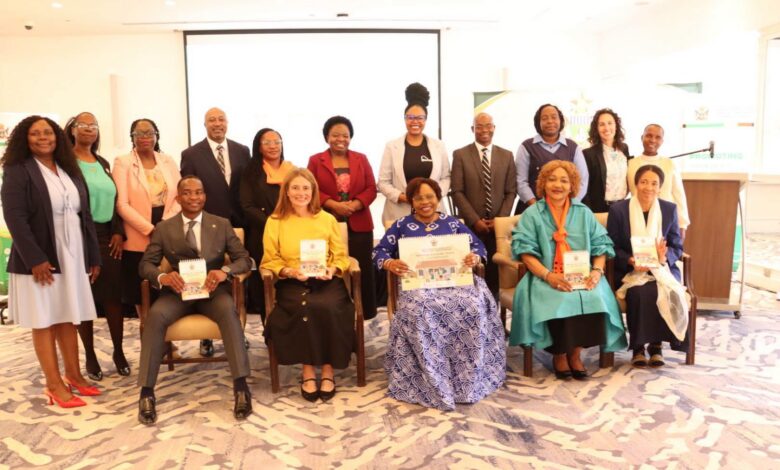
Zimbabwe has launched a national educational package on menstrual health management as the Government and development partners intensify efforts to address period poverty, stigma and inadequate information affecting adolescent girls. The National Comprehensive Educational Package for Menstrual Health Management was launched by the Ministry of Women Affairs, Community, Small and Medium Enterprises Development in partnership with UNFPA and other stakeholders. The initiative is designed to provide standardised, culturally adapted and evidence-based information about menstruation in schools and communities. It comes as many girls continue to face financial, social and infrastructure barriers that make managing their periods safely and with dignity difficult. By improving menstrual-health education, authorities hope to help girls remain in school, protect their health and participate fully in their education and communities.
The launch comes against a significant affordability challenge, with UNFPA Zimbabwe estimating that 72% of girls cannot afford menstrual products. The high cost of these essential products can force girls to rely on unsafe alternatives when they are menstruating. This creates concerns not only around health and hygiene but also around dignity and participation in education. Period poverty can become particularly difficult for girls who already live in households facing financial constraints and limited access to basic services. The new national package therefore recognises that addressing menstrual health requires more than simply distributing sanitary products.
The educational package aims to create a consistent approach to menstrual health education across Zimbabwe. Girls and communities will receive information that is intended to be evidence-based while also taking account of local cultural circumstances. This is important because misconceptions and stigma surrounding menstruation can affect how girls understand and manage their periods. Reliable information can help girls understand the physical changes associated with adolescence and make informed decisions about menstrual hygiene. The programme also seeks to ensure that menstrual health becomes part of wider discussions about education, health, dignity and the wellbeing of adolescent girls.
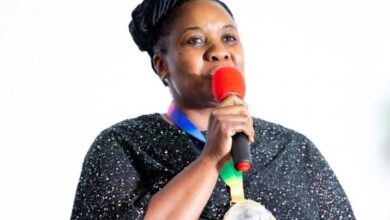
Women Affairs Minister Monica Mutsvangwa highlighted the connection between menstrual health and the ability of girls to remain engaged in education. Speaking at the launch, she said empowerment begins with dignity and emphasised the importance of standardising menstrual health education across Zimbabwe. Her remarks placed menstrual health within the broader national objective of ensuring that young women remain in school and have the opportunity to achieve their potential. She also stressed the importance of cooperation between different sectors in addressing the challenges faced by girls. Government departments, development organisations, schools, communities and other stakeholders therefore have roles to play in making the initiative effective.
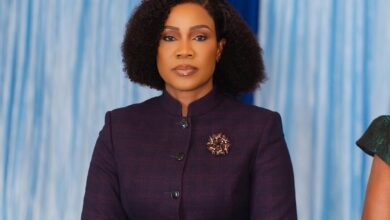
UNFPA Representative in Zimbabwe Miranda Tabifor also stressed that menstruation should not prevent girls from continuing with their education or pursuing their ambitions. She said menstruation must not become a reason for a girl to leave school, compromise her health or lose sight of her dreams. UNFPA has indicated that it will continue supporting the translation of national policies and standards into practical menstrual-health education across Zimbabwe’s districts. This support is intended to help move menstrual-health commitments beyond policy documents and into schools and communities. The approach also reflects the need for girls to receive accurate information in environments where they can ask questions and discuss menstruation without shame.
Information alone, however, cannot solve the practical challenges many girls face during menstruation. A UNICEF-supported study found that 70% of rural schools in Zimbabwe lacked the water and soap required for girls to manage their periods adequately. The same research found that 77% of girls surveyed in rural and urban schools did not have access to private, lockable facilities for changing at school. These conditions can make it difficult for girls to apply the menstrual-health information they receive. Without suitable facilities, even well-designed educational programmes may have limited impact on the daily experiences of learners.
UNICEF has previously documented cases where inadequate menstrual-health support has contributed to girls missing classes because they cannot manage their periods safely and privately at school. Experiences from Bikita demonstrate how improvements in school infrastructure and awareness can make a practical difference. The introduction of menstrual-friendly toilets, sanitary materials and awareness programmes enabled girls who had previously returned home during menstruation to remain in class. Such interventions show the connection between menstrual health, school infrastructure and attendance. They also demonstrate why the national education package needs to be implemented alongside improvements to water, sanitation and hygiene services.
Another major challenge is the lack of basic information available to girls as they experience adolescence. UNICEF reported that 76% of girls surveyed in rural and urban schools lacked basic information needed to understand the physical changes associated with adolescence. A lack of reliable information can leave young people dependent on informal sources that may reinforce myths or create unnecessary fear around menstruation. Standardised educational material can provide girls with information that is consistent and appropriate for their age. It can also help teachers, parents and communities communicate about menstrual health in a more informed way.
Zimbabwe’s previous research also shows why the national response needs to account for differences between communities. Formative research on menstrual hygiene management conducted in 2019 by UNICEF and the Government examined girls aged between 10 and 24, both in and out of school, across all 10 provinces. The research highlighted the importance of considering socioeconomic, cultural and religious circumstances when developing menstrual-health interventions. A single approach may not address the different barriers faced by girls in rural communities, urban schools and households with different levels of income and access to services. The new national package seeks to provide a common educational foundation while remaining relevant to the communities where it will be implemented.
The launch also represents a broader shift in how menstrual health is discussed in Zimbabwe. Rather than treating menstruation solely as a private matter affecting individual girls, the new approach recognises it as an education, health and development issue. When girls cannot afford menstrual products or lack access to clean water, private changing spaces and reliable information, their ability to participate fully in school can be affected. Stigma can add another barrier by making girls uncomfortable discussing their experiences or seeking assistance when they need it. Addressing these different challenges together can create a more supportive environment for adolescent girls.
The effectiveness of the national package will ultimately depend on how widely and consistently it reaches schools and communities. Standardised education can help close the information gap, but girls also need the resources and infrastructure required to put that knowledge into practice. This includes affordable menstrual products, clean water, soap, private changing facilities and safe systems for disposing of menstrual waste. Schools also need teachers and other relevant personnel who can communicate menstrual-health information accurately and respectfully. Continued cooperation between Government, development partners, schools and communities will therefore remain important as Zimbabwe works to turn the national package into practical support for girls.
Zimbabwe’s national menstrual health education package provides a framework for addressing several challenges that have affected girls’ experiences of menstruation in schools and communities. Its focus on information, dignity and standardised education responds to the need for girls to understand menstruation without stigma or misinformation. At the same time, the evidence on affordability, water, sanitation and privacy shows that education must form part of a wider response. Providing girls with knowledge while ensuring they have access to the products and facilities they need can help reduce the educational disruption associated with menstruation. The initiative places menstrual health firmly within Zimbabwe’s broader efforts to support girls’ health, dignity and continued participation in education.