Sibonelo Khupe Hails Atipa Busuman’s Memorable Performance at Mrs World 2026
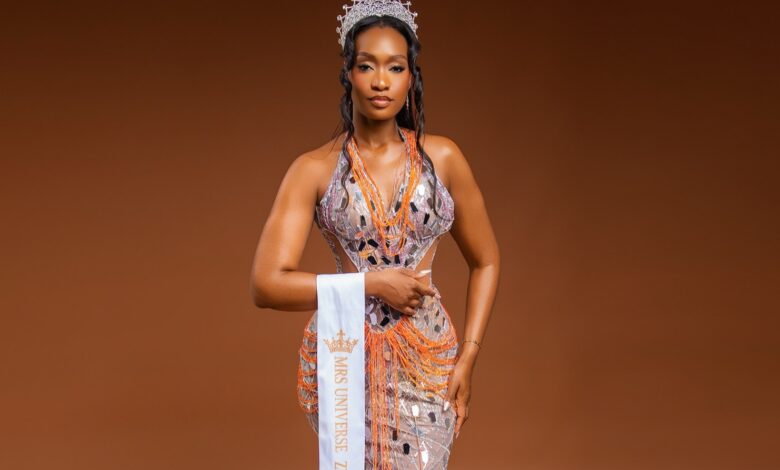
Mrs Universe Zimbabwe national director Sibonelo Khupe has praised Zimbabwean representative Atipa Busuman for her memorable performance at Mrs World 2026, celebrating her efforts to showcase the country’s cultural heritage on the international stage. Busuman travelled to Sri Lanka for the pageant, which was held on Saturday, representing Zimbabwe in a competition that brings together married women from different countries. Khupe expressed pride in Busuman’s performance, saying her contribution had created a lasting moment that could not be undone. The Zimbabwean representative also used the international platform to celebrate the country’s history, wildlife and national identity through an elaborate cultural costume titled “Hungwe Huru: Guardian of Zimbabwe’s Wonders”. Her participation highlighted the role beauty pageants can play in promoting cultural awareness, celebrating national identity and encouraging women to represent their countries with confidence.
Khupe publicly congratulated Busuman following her appearance at the international event, describing herself as proud of the Zimbabwean representative and the effort she had made throughout the competition. “So proud of my girl Atipa, what she did last night cannot be undone,” she said. Her remarks reflected her appreciation of Busuman’s contribution and the significance of representing Zimbabwe on an international platform. For national pageant directors, supporting contestants involves more than preparing them for the stage, as it also includes helping them communicate their country’s identity and values to international audiences. Khupe’s comments underscored the importance of recognising Busuman’s performance and the work that went into preparing for the competition.
The Mrs World 2026 event brought together contestants representing different countries, with the Mrs Universe 2026 title going to Isidora Ranković, who represented Monaco. Although the two pageant titles are distinct, the results formed part of the wider international pageant activities surrounding the event. Busuman’s participation gave Zimbabwe an opportunity to present its cultural identity through a carefully developed national costume. Her appearance also highlighted the creative work of African designers and collaborators who contributed to bringing the concept to life. The costume became a central element of Zimbabwe’s representation, combining national symbols, historical landmarks and natural attractions in a single design.
The outfit, titled “Hungwe Huru: Guardian of Zimbabwe’s Wonders”, drew inspiration from the Hungwe, or fish eagle, and its connection to Zimbabwe’s national heritage. The design incorporated references to the Great Zimbabwe Bird, one of the country’s most recognisable cultural symbols. The stone-carved birds associated with Great Zimbabwe hold an important place in the country’s history and national identity. By drawing on this heritage, the costume presented Zimbabwean culture through a visual concept that connected historical symbolism with contemporary design. Its title also positioned the fish eagle as a guardian figure representing the country’s natural and cultural treasures.
The costume further incorporated references to Great Zimbabwe and Khami Ruins, two important archaeological sites that reflect the country’s rich historical heritage. Great Zimbabwe is known for its monumental stone structures and its significance in the history of the region, while Khami Ruins provides further evidence of Zimbabwe’s historic stone-building traditions. Including these landmarks helped broaden the costume’s message beyond a single national symbol. The design connected Zimbabwe’s cultural heritage with the achievements of earlier societies whose legacy remains an important part of the country’s identity. Through these references, Busuman’s national costume offered international audiences a glimpse of Zimbabwe’s history and architectural heritage.
Zimbabwe’s natural attractions also featured prominently in the design. The costume celebrated wildlife found in Hwange and Gonarezhou national parks, along with the Zambezi River and Victoria Falls. These locations represent important parts of the country’s natural heritage and tourism appeal. Their inclusion allowed the outfit to communicate the diversity of Zimbabwe’s landscapes, from wildlife-rich protected areas to major rivers and one of the world’s best-known waterfalls. By bringing these elements together, the designers sought to present a broad picture of the country’s natural beauty and the importance of protecting its environmental resources.
The outfit also incorporated cowrie shells and beads to represent Zimbabwe’s natural wealth, while feathers symbolised the strength and resilience of its people. These details added further meaning to the design, using materials and visual elements to communicate ideas about identity, resources and national character. The combination of cultural references and nature-inspired features helped establish a clear theme for the costume. Rather than presenting decoration alone, the design sought to tell a story about the country and the people who call it home. This approach gave Busuman’s appearance a cultural purpose alongside its role in the pageant.
Bringing “Hungwe Huru: Guardian of Zimbabwe’s Wonders” to life required collaboration among African creatives. The project involved Jaspizy Welcome, African Fabric & Designs Kenya and Afro Aesthetics, whose contributions helped transform the concept into a finished costume. Their involvement highlighted the role of collaboration in developing designs that communicate cultural identity on international stages. It also demonstrated how creative professionals from different backgrounds can work together to combine traditional inspiration with contemporary presentation. The finished outfit provided a platform for showcasing African design talent while placing Zimbabwe’s heritage at the centre of the presentation.
Khupe also used the occasion to emphasise the wider importance of supporting and empowering young women. “Empowering a girl child is empowering generations,” she said. Her message linked Busuman’s participation to the broader value of creating opportunities for women to develop their confidence, pursue their ambitions and represent their communities. International pageants can provide contestants with opportunities to speak about their identities and causes while engaging with audiences from different cultural backgrounds. For Zimbabwe, Busuman’s participation also offered a chance to highlight the country’s heritage through a representative whose appearance carried a carefully developed national message.
The role of national costumes in international pageants extends beyond fashion, as they often provide contestants with an opportunity to communicate their countries’ histories and cultural identities. A successful design can bring together symbols, landscapes, traditions and creative ideas in a form that audiences can appreciate visually. In Busuman’s case, the costume connected the Hungwe, the Great Zimbabwe Bird, historic ruins and well-known natural attractions in a unified presentation. The design also recognised the contributions of African creatives whose work helped bring the concept to the international stage. Through this presentation, Zimbabwe’s participation became an opportunity to celebrate both its heritage and its contemporary creative talent.
Busuman’s appearance at Mrs World 2026 also drew attention to the value of cultural representation in international competitions. Contestants carry their own personal ambitions, but they can also serve as representatives of their countries’ histories, traditions and achievements. By presenting a costume inspired by Zimbabwe’s national symbols and natural landmarks, Busuman helped introduce these elements to an international audience. Her participation demonstrated how pageants can create opportunities for cultural storytelling while allowing designers and contestants to collaborate around a shared theme. Khupe’s public praise reflected the importance she placed on this contribution to Zimbabwe’s representation.
The collaboration behind the costume also highlighted the potential for African creatives to contribute to international cultural platforms. Fashion designers and creative teams can use such opportunities to showcase their technical skills while drawing inspiration from the histories and identities of African countries. The involvement of Jaspizy Welcome, African Fabric & Designs Kenya and Afro Aesthetics brought together creative contributions in support of Busuman’s presentation. Their work helped translate a concept rooted in Zimbabwean heritage into a visual design suitable for an international pageant. The project therefore celebrated not only the contestant but also the creative effort involved in presenting national identity through fashion.
Sibonelo Khupe’s praise for Atipa Busuman places the focus on the significance of participation, cultural representation and women’s empowerment. Busuman’s appearance at Mrs World 2026 gave Zimbabwe an opportunity to showcase its history, wildlife and national symbols through the “Hungwe Huru: Guardian of Zimbabwe’s Wonders” costume. The design brought together references to the Great Zimbabwe Bird, Great Zimbabwe, Khami Ruins, Hwange and Gonarezhou national parks, the Zambezi River and Victoria Falls. With contributions from African creatives, the outfit demonstrated how fashion can be used to tell a story about a country’s heritage and identity. Khupe’s message that empowering women can benefit future generations reinforces the wider value of creating platforms where women can represent their countries, celebrate their cultures and inspire others through their achievements.