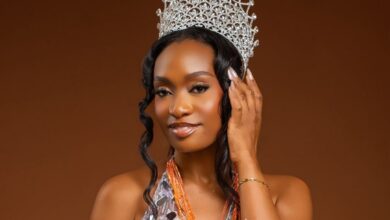
Sonkomose Takes Zimbabwean Poetry to the World Stage at Poetry Africa 2026
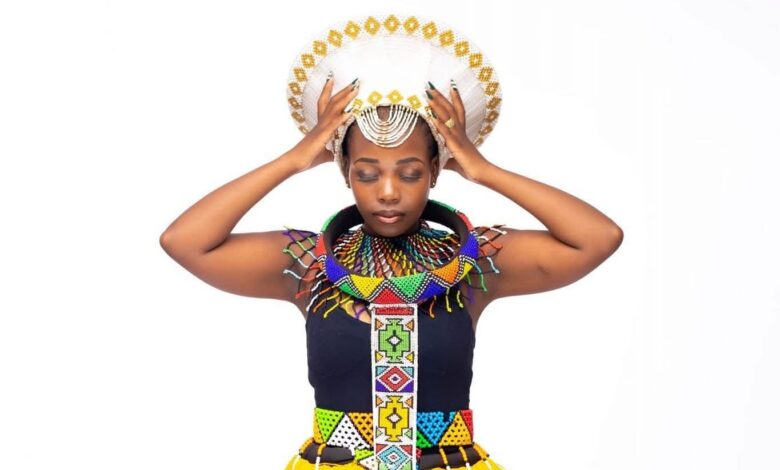
When the microphone is passed around at the 5th World Poetry Slam Championship in Durban this week, a familiar voice from Bulawayo will be among those demanding attention. Local poet Lyndah Sibanda, known on stage as Sonkomose, is representing Zimbabwe at the 5th World Poetry Slam Championship and Poetry Africa Festival Convention, taking place in KwaZulu-Natal from 5 to 10 October 2026. Her participation places Bulawayo spoken word on an international platform that brings together poets, performers and creative practitioners from different parts of the world. For Sonkomose, however, the trip is about more than stepping onto a prestigious stage. It is an opportunity to show what Zimbabwean poetry can contribute to a global conversation about identity, history, language and artistic freedom.
The Poetry Africa Festival is hosted by the Centre for Creative Arts at the University of KwaZulu-Natal’s School of Arts and is now in its 29th year. Its longevity makes it one of the longest-running contemporary poetry festivals on the African continent. This year’s programme carries additional weight because it incorporates the 5th World Poetry Slam Championship, bringing together 40 slam poets from four continents. The event combines performances with workshops, discussions, networking sessions and opportunities for artists to exchange ideas. For Zimbabwean poets, participation offers an important chance to connect with an international spoken word community while placing local experiences within a much wider cultural conversation.
Sonkomose is not travelling alone, as fellow Zimbabwean poets SoxThePoet and Starlight are also taking part in the festival. Their presence gives Zimbabwe a stronger representation at an event that has attracted poets from across the world. For a country whose spoken word artists have often had to work hard to gain international visibility, having three Zimbabwean voices featured at a major poetry event represents an important moment. Sonkomose sees their collective participation as evidence that Zimbabwean street poetry is beginning to receive wider recognition. She describes sharing the platform with her compatriots as an honour and an opportunity to make Zimbabwe more visible through poetry.
For years, Zimbabwean poets have faced challenges in taking their work beyond the country’s borders. Many have depended on smaller festivals, personal networks and self-funded travel to reach audiences outside Zimbabwe. Limited resources can make international participation difficult, particularly for artists working independently and without strong institutional support. The Durban gathering therefore provides more than an opportunity to perform because it also exposes Zimbabwean poets to potential collaborators, organisers and creative networks. Sonkomose’s participation highlights the growing importance of international artistic exchanges in helping Zimbabwean spoken word find new audiences.
Her return to Poetry Africa is particularly significant because she has performed at the festival before. This experience gives her a connection to an event that has become an important meeting point for contemporary African poetry. Returning alongside other Zimbabwean poets also allows her to view the festival from a broader perspective, not only as a performer but as an artist interested in how the industry works. She is using the convention to observe the structures that support established festivals and the systems that allow poets to participate professionally. That focus reflects a wider concern about how Zimbabwe can build sustainable platforms for its own creative community.
The historical context of this year’s Poetry Africa programme adds another layer to Sonkomose’s participation. South Africa is marking the 50th anniversary of the 1976 Soweto Uprising, one of the defining moments in the struggle against apartheid. The uprising began after students protested against the compulsory use of Afrikaans as a medium of instruction, leading to a broader confrontation with the apartheid system. The events of 1976 remain deeply connected to questions of language, education, identity and resistance. Those themes have a natural connection to spoken word, an art form that gives performers a direct way to challenge ideas and express experiences that are often ignored.
For Sonkomose, the connection between the Soweto Uprising and contemporary poetry is deeply personal. She sees herself as part of a generation that has inherited the responsibility of using its voice to challenge forms of erasure and exclusion. The difference, as she puts it, is that young people in Soweto carried placards while poets today can carry their messages through poems and performance. Her words connect the history of youth resistance with the modern spoken word movement, showing how artistic expression can continue conversations that began decades ago. Poetry, in this context, becomes both a performance and a tool for asserting identity.
The festival theme, “Every word a street, every voice a city”, reinforces that idea. It presents poetry as something connected to communities, places and individual experiences rather than as an art form confined to books or formal literary spaces. For a poet from Bulawayo, that emphasis creates room to bring local stories and Zimbabwean experiences into an international setting. Sonkomose’s work can therefore be understood within a wider movement in which poets use performance to address social realities while connecting with audiences through language and emotion. The theme also reflects the power of individual voices to contribute to a larger cultural landscape.
Sonkomose’s ambitions in Durban extend beyond performance and recognition. She wants to use the convention to push for better contracts and stronger rights for poets in Zimbabwe. She is also calling for greater sustainability within Zimbabwean festivals and stronger artistic exchanges between Zimbabwe and South Africa. These concerns point to some of the practical challenges faced by independent artists, who need more than performance opportunities to build sustainable careers. Fair contracts, clear rights and reliable festival structures can help poets treat their creative work as a profession rather than relying entirely on passion and personal sacrifice.
Her vision for future collaboration is also much larger than simply sending a small group of poets to international events. Sonkomose wants Zimbabwe to build relationships that can bring larger networks of artists into regional exchanges. She has pointed to the possibility of involving platforms such as Intwasa Arts Festival koBulawayo and Loziba while creating opportunities for collaboration with poets and creative communities across borders. Such exchanges could allow artists to share skills, audiences and professional opportunities while strengthening links between Zimbabwean and South African cultural institutions. The goal is to develop a movement that gives more Zimbabwean poets access to international platforms rather than limiting those opportunities to a handful of individuals.
Her focus on the business side of poetry is equally important. Festivals require funding, planning, contracts, programming and long-term institutional support to survive. Poets also need clear agreements that explain payment, performance rights and other professional expectations before they take the stage. By paying attention to these structures at Poetry Africa, Sonkomose hopes to take useful lessons back to Zimbabwe. Understanding how a festival can operate for nearly three decades could help local organisers and artists think differently about sustainability and professional development.
The value of international exposure, therefore, goes beyond the photographs, performances and applause that come with appearing at a major festival. An artist can return home with new knowledge about programming, partnerships, funding models and audience development. Those lessons can influence how future events are organised and how artists negotiate their relationships with promoters and festival organisers. For Sonkomose, this makes the Durban trip part of a larger effort to strengthen the ecosystem around poetry in Zimbabwe. Her ambition is not simply to be invited again, but to help create conditions where more Zimbabwean poets can participate on their own terms.
Her presence at the World Poetry Slam Championship also reinforces Bulawayo’s contribution to Zimbabwe’s contemporary spoken word scene. The city has a long history of producing musicians, writers, performers and other creative voices who have used art to tell local stories and engage with social issues. Sonkomose’s journey places one of those voices in conversation with poets from four continents. Her participation gives international audiences an opportunity to encounter a perspective shaped by Zimbabwean life while allowing her to learn from performers working in different cultural and artistic environments. That exchange is one of the central strengths of international festivals.
The 2026 Poetry Africa Festival could therefore become an important chapter in Sonkomose’s development as both a performer and an advocate for poets. She arrives in Durban with the responsibility of representing Zimbabwe on a major stage, but she is also using the opportunity to ask difficult questions about the future of the art form at home. Her focus on contracts, rights, sustainability and regional collaboration shows that she views poetry as both creative expression and professional work. Her message also challenges the industry to think beyond individual performances and consider the systems that determine whether artists can build lasting careers. That approach gives her participation a significance that extends well beyond the competition itself.
As Sonkomose takes the microphone in Durban, she carries more than her own story onto the international stage. She represents a generation of Zimbabwean spoken word artists seeking greater visibility, stronger professional structures and meaningful connections with creative communities beyond the country’s borders. Her presence alongside SoxThePoet and Starlight demonstrates that Zimbabwean poetry has a place within major international conversations about performance, language and identity. The 50th anniversary of the Soweto Uprising adds historical depth to those conversations, particularly for a young poet determined to use her voice to challenge erasure. For Sonkomose, the real achievement will not simply be being heard in Durban, but helping ensure that the voices of Zimbabwean poets are heard more widely and more consistently in the years ahead.