Sue Nyathi’s Global Breakthrough With Netflix Adaptation Sparks Urgent Call to Fix Zimbabwe’s Literacy Gap
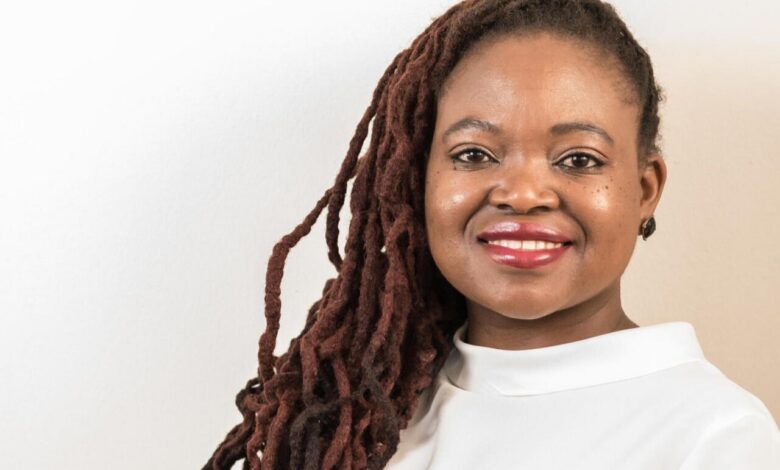
Zimbabwean author and storyteller Sue Nyathi has reached a major milestone in her writing career after her novel The Polygamist was adapted into a Netflix production. The achievement places her among a growing number of African writers whose work is gaining international visibility through streaming platforms. Her success reflects the global appetite for African storytelling and culturally grounded narratives. At the same time, Nyathi is using her platform to raise concern about a growing literacy challenge in Zimbabwe. She argues that the celebration of literary success must not hide the realities facing readers and writers at home.
Nyathi has long been recognized for her contribution to contemporary African literature, but the Netflix adaptation of The Polygamist has pushed her work onto a much larger stage. The production introduces global audiences to themes rooted in African family structures, identity and tradition. For Nyathi, this moment is not only about personal achievement but also about representation. She sees it as proof that Zimbabwean stories can compete internationally when given the right platform. Her rise highlights how African literature is increasingly crossing into mainstream global entertainment spaces.
Despite this success, Nyathi has warned that Zimbabwe faces a serious and growing literacy imbalance. She acknowledges that the country continues to perform strongly in literacy rankings across Africa. However, she says these statistics mask deep inequalities between urban and rural education systems. Urban learners often have access to better funded schools, libraries and qualified teachers. Rural communities, on the other hand, struggle with limited resources, outdated learning materials and fewer opportunities to develop strong reading habits.
Nyathi explains that this gap is not just educational, it is cultural. She argues that access to books directly shapes how communities engage with reading over time. When children grow up without books, libraries or reading spaces, literacy becomes something distant rather than habitual. This creates long term consequences for writers, publishers and educators. She believes that the erosion of reading culture is gradual but significant, especially in under-resourced areas.
Another concern raised by Nyathi is the shrinking reading market in Southern Africa. She says reading is increasingly seen as optional rather than essential. This shift has serious effects on writers who depend on book sales to sustain their careers. When readership declines, publishing opportunities also decrease, making it harder for authors to earn a stable income. Nyathi describes this as a cycle where reduced demand weakens the entire literary ecosystem.
She also points to the high cost of publishing as a major barrier. Printing, distribution and production expenses often make books too expensive for many readers. This pricing issue limits access and reduces the size of the reading public. As a result, publishers become more cautious about taking risks on new authors. Nyathi believes this financial pressure discourages new voices from entering the industry and slows down literary growth.
To address these challenges, Nyathi is calling for stronger intervention from both government and private sector partners. She suggests subsidies for book production to lower retail prices and improve accessibility. She also advocates for the revival of mobile libraries that can reach remote communities. Community reading hubs, she says, could help rebuild reading habits by creating shared spaces for learning and engagement. These solutions, in her view, could help close the gap between urban and rural literacy access.
Nyathi also stresses the importance of preserving local stories. She believes Zimbabwe’s history and cultural experiences are not fully documented in literature. Expanding storytelling within the country, she argues, would strengthen identity and inspire new generations of readers and writers. Her message is clear that literacy is not only about education but also about cultural preservation and national memory. She sees writing as a tool that can connect communities to their own histories.
Sue Nyathi’s rise to international recognition through Netflix marks a major achievement for Zimbabwean literature. However, her warning about the literacy crisis adds urgency to the celebration. Her perspective highlights the need to balance global success with local responsibility. While African stories are reaching wider audiences than ever before, the foundation of reading at home remains fragile. Her voice now stands at the intersection of global literary success and the fight to protect reading culture in Zimbabwe for future generations.