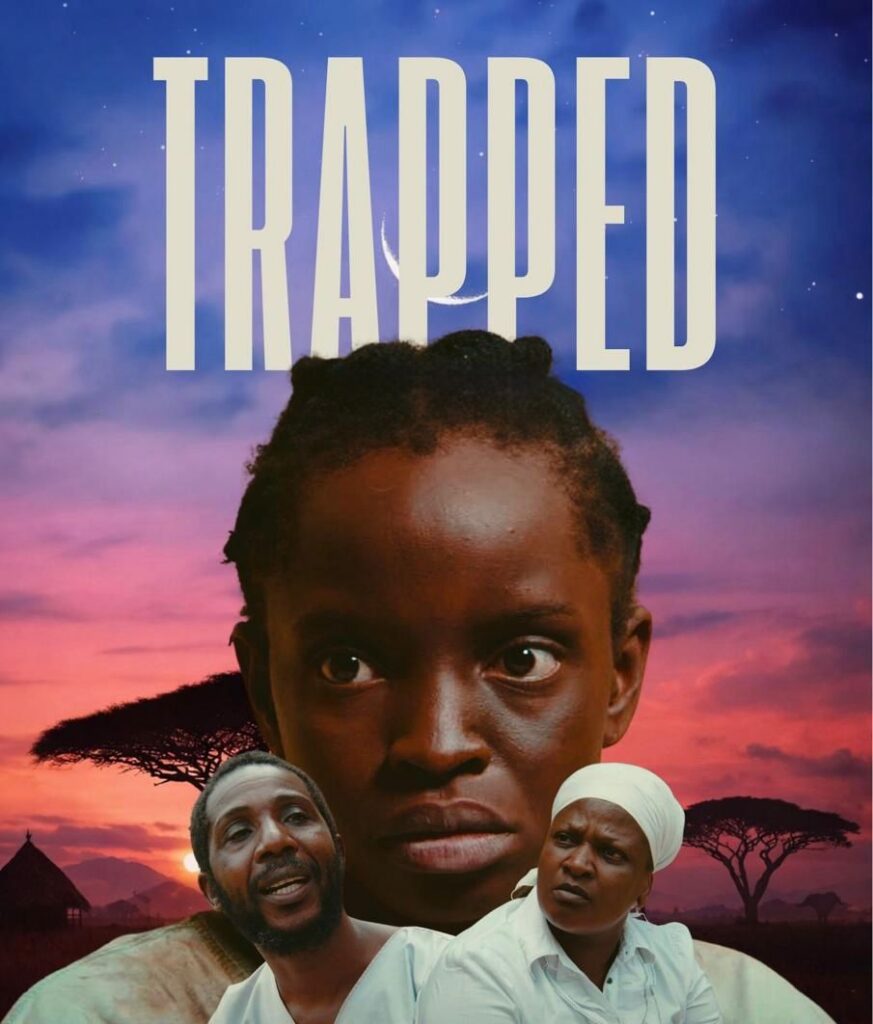
Trapped Film Premiere Shakes Audience With Powerful Story on Child Marriage and Teenage Pregnancy
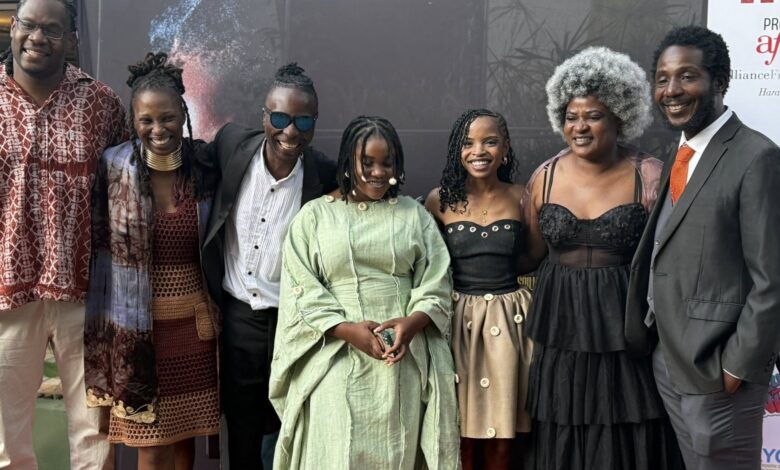
The premiere of Trapped, a 15-minute short film produced by Take A Look Productions, delivered a deeply emotional experience at Alliance Française on Wednesday, June 3. The screening left the audience visibly shaken as it confronted the harsh realities of child marriage and teenage pregnancy in a direct and unflinching way. Viewers described the experience as disturbing yet necessary, as the film forced attention onto abuses that often remain hidden in rural and vulnerable communities. The production used storytelling as a tool to expose the human cost behind statistics that are often discussed in policy spaces but rarely felt at a personal level. From the opening scenes to the final moments, the film maintained a heavy emotional tone that stayed with the audience long after the screening ended.
Trapped follows the story of Melissa, a young village girl whose innocence is destroyed under the guise of faith and tradition. Played by Deo Jakata, Melissa is confined to a dark hut by her mother, portrayed by Spilisiwe Kaikeni, before being handed over to a self-proclaimed prophet who exerts control over her life. The narrative tracks her forced servitude, emotional isolation, and eventual attempt to escape from a cycle of abuse that has been normalized in her environment. Robert Chiyama’s performance as the religious figure adds a chilling sense of realism that intensifies the emotional weight of the story. The film reaches a devastating conclusion as Melissa dies alone while giving birth, a moment that highlights the fatal consequences of child marriage and lack of protection for young girls. Through these events, the film presents a raw and unsettling depiction of systemic abuse that communities continue to face.
The creative team behind Trapped emphasized that the film was designed to move beyond statistics and create emotional impact through lived experience. Producer Blessing Ncozana said the goal was to show the reality behind the data on child marriage, which often fails to create urgency among audiences. She explained that the inspiration came from a real story shared by a script collaborator whose sister endured similar abuse. This personal connection shaped the direction of the film and ensured that the narrative remained grounded in lived trauma rather than abstract reporting. Ncozana stated that the intention was to show impact rather than simply cover a topic, making the story feel immediate and real to viewers.
Audience members and stakeholders responded strongly to the film’s message and execution. Blessing Chimowa, also known as Mbudzi Yadhura, highlighted the importance of storytelling in giving voice to experiences that are often ignored in public discourse. He noted that many important stories are lost in daily noise, while productions like Trapped create space for reflection and awareness. Chimowa added that the film emphasizes resilience and shows that cultural pressure, religious manipulation, or difficult circumstances should never define a person’s destiny. His comments reflected a broader understanding of how film can shape public conversation and encourage social awareness in ways that traditional advocacy sometimes cannot achieve.
Other attendees also called for urgent action following the screening. One viewer, Wadzanai, expressed emotional distress and urged policymakers to intervene more decisively to protect vulnerable girls from forced marriage and exploitation. Legal frameworks already exist in Zimbabwe, where child marriage is prohibited under the Constitution and the Marriage Act sets the minimum age for marriage at 18. Despite these laws, enforcement remains inconsistent, and advocates continue to push for stronger implementation, community education, and social intervention programs. The film reinforced these concerns by showing how legal protections can fail when cultural practices and abuse of authority persist unchecked in communities.
Several non-governmental organizations praised Trapped for its ability to communicate complex social issues through visual storytelling. Amanda Chennai Makombe, founder of Kumbe Kumbe Arts, highlighted the power of film in influencing both community attitudes and policy discussions. She noted that stories like Trapped can play a significant role in mobilizing action by making abstract issues emotionally real and urgent. The premiere also brought together advocacy groups focused on child protection, reinforcing the importance of collaboration in addressing gender-based violence and child rights violations. This collective response showed how creative work can connect with activism to drive awareness and change.
Despite limited resources and a tight three-day shooting schedule in Dombo Shava, the production team delivered a film that achieved strong emotional and artistic impact. Director Stan Joni and Director of Photography John Wilson led a crew that worked under pressure to bring the story to life with clarity and sensitivity. Support from wardrobe teams, production assistants, and line producers ensured that the final product maintained a professional standard while staying true to its message. The result is a short film that combines artistic expression with social commentary in a way that continues to resonate after the credits roll. Trapped stands as both a creative achievement and a call to action, pushing viewers to confront the realities faced by many young girls and to consider the role of society in preventing such tragedies.