Zimbabwe Commemorates 45th Heroes Day: Creatives Reflect on the Price of Freedom
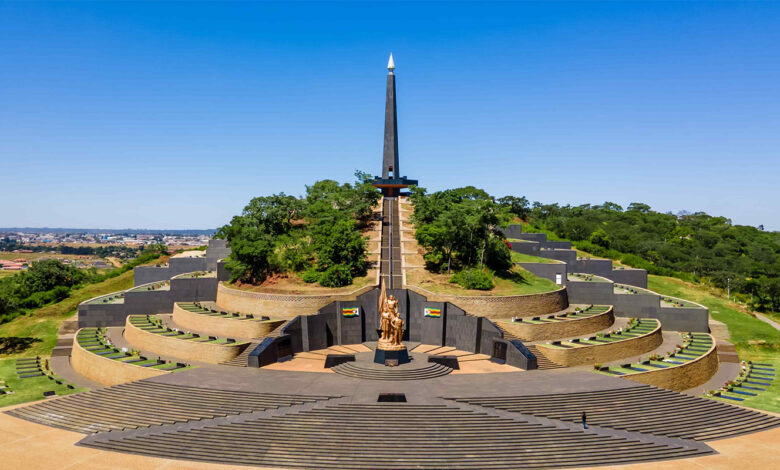
Zimbabwe marks its 45th Heroes Day today, a solemn occasion that reminds the nation of the sacrifices made for freedom. Celebrated annually on the second Monday of August, Heroes Day offers a moment for Zimbabweans to reconnect with liberation ideals such as justice, unity, identity, and self-determination.
The day honours those who died and the surviving veterans who fought for Zimbabwe’s independence and sovereignty. Official ceremonies take place at the National Heroes Acre in Harare and provincial shrines, where the President leads wreath-laying and delivers speeches recognising the liberation fighters’ efforts.
For many Zimbabweans, Heroes Day remains a deeply meaningful tribute to national heroes. Yet, perceptions vary. Some feel the day has been politicised, with concerns that recognition often favours individuals aligned to the ruling party. Among youth, the day can seem more like political theatre than a collective remembrance. Despite this, the core message of honouring sacrifice still resonates strongly.
Zimbabwe’s creative sector plays a vital role in shaping and preserving the memory of Heroes Day and Defence Forces Day. Music has long been a powerful vehicle for celebrating liberation values. Artists like Simon Chimbetu and Comrade Chinx used Chimurenga music to glorify the struggle. Chimbetu’s “One Way” and Chinx’s “Vanhu VeMuAfrica” celebrate unity and freedom, while Thomas Mapfumo’s “Chimurenga for Justice” inspires resistance and critical reflection.
Traditional musicians such as Mbira Dzenharira and Chief Hwenje continue this cultural dialogue. Contemporary artists like Souljah Love have blended urban grooves with military symbolism to connect with younger audiences. Theatre has also contributed, with works like Daves Guzha’s “Song Unburied” exploring themes of memory, loss, and justice, ensuring liberation narratives remain alive through performance.
Interpreting national days like Heroes Day poses challenges for creatives. There is often pressure to align with state-sanctioned narratives, limiting space for nuanced or critical exploration. Artists and journalists who highlight issues like corruption or marginalised voices risk censorship.
Film producer Marc T Mandisoul is working on a liberation war feature film to contribute to remembering Zimbabwe’s heroes. He stresses the importance of the day for young people, saying it teaches patriotism, discipline, and love for the country—the values embodied by the heroes.
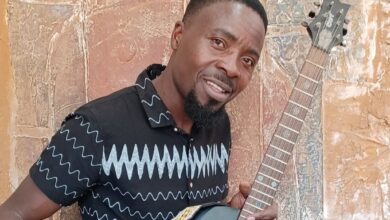
Musician Victor Katsande, known as Tatu Maluba, describes Heroes Day as a celebration of humanity’s continuity. His song “Korona (Crown)” gives voice to fallen heroes, urging Zimbabweans to carry the nation forward through economic activity. Success, he says, will see Zimbabwe wear the crown of pride, upholding cherished values and principles.
Tatudzwa Matete of Semvumba Arts Ensemble echoes the day’s significance, honouring the bravery and selflessness of liberation fighters. He sees Heroes Day as a time for reflection, gratitude, and reconnecting with Zimbabwe’s history and heroes.
As Zimbabwe commemorates 45 years of Heroes Day, creatives continue to shape the evolving narrative. Through music, theatre, film, and other art forms, they preserve the legacy of sacrifice and inspire new generations to uphold the values that built the nation.