Celebrity News

Band Fusion and Asaph Unite in Bold Musical Collaboration That Redefines Bulawayo Sound

If you ask a random music fan in Bulawayo what separates Band Fusion from Asaph, many will point to appearance before sound. The contrast is easy to notice on stage and in public spaces. Band Fusion often appear in sharp, formal suits that reflect a polished jazz and live band identity rooted in African musical traditions. Asaph, on the other hand, leans into hip-hop culture with caps, loose-fitting jeans and a style shaped by global rap influences. Yet behind these visual differences lies a deeper artistic divide that has now been bridged through collaboration. Their coming together marks one of the most interesting musical intersections in Zimbabwe’s contemporary music scene.

Band Fusion represents a strong live music tradition that draws heavily from jazz, mbaqanga and other African-rooted genres. Their sound reflects Bulawayo’s long-standing musical identity, which has historically embraced live instrumentation and cultural storytelling. The group has built a reputation for performing at mature events where audiences appreciate instrumental depth and musical discipline. Their performances often rely on precision, arrangement and the emotional weight carried by live instruments. This foundation has helped them maintain a loyal following over the years. It has also positioned them as one of the city’s most respected live bands.

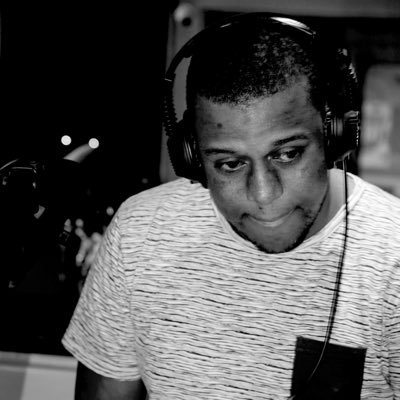
Asaph comes from a completely different musical background shaped by hip-hop culture and lyrical expression. His artistry is rooted in wordplay, rhythm and storytelling influenced by global rap movements. Known as one of Zimbabwe’s strongest lyrical voices, he brings a modern edge that appeals to younger audiences across the country. His evolution through different stage identities reflects a career marked by growth and reinvention. From early beginnings to his current form, he has consistently pushed creative boundaries. This has made him a standout figure in the country’s hip-hop landscape.

Despite their differences in style and presentation, both Band Fusion and Asaph share deep roots in Bulawayo’s creative culture. Over time, fans and observers have often speculated about what a collaboration between them would sound like. The idea seemed unlikely at first due to their contrasting genres and audiences. However, that curiosity has now been answered through their new single titled “Musikana Akanaka.” The track brings together live instrumentation and rap in a way that blends rather than competes. It represents a deliberate effort to merge two creative worlds.

The collaboration is built on a shared desire to experiment and reach wider audiences. Band Fusion members explained that their work on original music has pushed them to explore new directions while maintaining their Afrocentric identity. Drummer and key member Lungile “Luigi” Ndlovu noted that the group is still shaping its sound as it transitions from being primarily a cover band to producing original content. This process has encouraged them to take creative risks. Working with Asaph became a natural extension of that journey. It also allowed them to tap into a younger and more diverse listener base.

According to Ndlovu, Asaph was an easy choice for collaboration due to his ability to connect across generations. His audience includes both mature hip-hop listeners and younger fans who follow contemporary African music trends. This crossover appeal made him a strategic and artistic fit for the project. The creation of “Musikana Akanaka” began with a simple musical idea that gradually developed through collective input. The band shaped the chorus and arrangement while maintaining live instrumentation throughout the production. The result is a sound that sits between traditional band music and modern rap expression.

Band Fusion also emphasized their growing awareness of audience diversity as a key factor in their artistic decisions. Their performances regularly attract people from different language and cultural backgrounds, including Ndebele, Shona and English-speaking audiences. This diversity has encouraged them to explore more inclusive and commercially accessible music. Their earlier releases focused on rich instrumental sound, while this new project moves closer to mainstream appeal. They also made a deliberate choice to record the song in ChiShona to broaden its reach. This reflects their ongoing effort to expand without losing their core identity.

Beyond musical experimentation, the collaboration is grounded in long-standing personal connections between the artists. Ndlovu highlighted that he and Asaph have known each other since their early days in school and church environments. Their shared history created a natural foundation for creative partnership. Over the years, they have occasionally performed together in informal freestyle settings where hip-hop and live band music intersected naturally. This familiarity helped shape the ease and authenticity of the final collaboration. It also strengthened the emotional depth behind the project.

For Asaph, working with Band Fusion felt like a continuation of an existing relationship rather than a new venture. He acknowledged the band’s drummer as someone he has known for years, which made the collaboration feel organic. He also noted that hip-hop and jazz share more similarities than many people assume. Both genres rely heavily on rhythm, timing and expressive storytelling. In this project, his lyrics blend with live instrumentation to create a layered musical experience. This fusion highlights how different genres can coexist without losing their individual identity.

The release of “Musikana Akanaka” stands as a milestone for both Band Fusion and Asaph. It demonstrates how artists from different backgrounds can create something unified without compromising their artistic direction. The project also signals a growing trend in Zimbabwean music where collaboration is becoming a tool for innovation. Fans from both camps are likely to see the song as a bridge between generations and genres. It expands the possibilities of what Bulawayo’s music scene can produce. In the end, the collaboration shows that creative differences can become strengths when artists choose to meet in the middle.

Related Articles

Back to top button