Poptain Sparks Mental Health Debate After Explosive Claims Against Fellow Artists
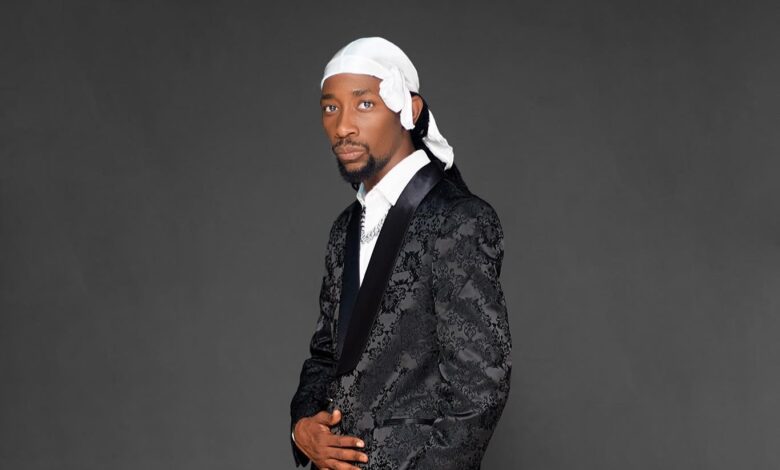
Dancehall chanter Poptain has once again ignited intense debate across Zimbabwean social media, shifting attention from his music to his mental health. The Fadza Mutengi hitmaker has, over the past few years, openly discussed his struggles with depression and emotional battles, positioning himself as one of the few local artists willing to speak publicly about mental health. Yet every time he appears to be moving toward healing, controversy seems to follow. His latest outburst has left fans questioning whether he is genuinely seeking help or deliberately stirring conversation.
In a series of statements posted online, Poptain accused several industry figures of sabotaging his career. He singled out dancehall heavyweight Winky D, claiming the veteran refused to collaborate with him when he was still an upcoming artist. He also mentioned businessman and music promoter Tinashe Mutarisi, along with fellow dancehall artist Nutty O. Poptain distanced himself from the collaboration Kokai featuring Nutty O, declaring that he wants his contribution removed entirely. He further stated that he no longer wishes to be associated with the 2020 hit Fadza Mutengi, which featured Allanah on the Nash Nation Riddim, going as far as deleting it from his YouTube channel and surrendering the rights to Mutarisi.
The remarks triggered mixed reactions. Some supporters expressed concern, arguing that repeated references to mental health struggles should not be dismissed. Others dismissed the statements as a publicity tactic designed to generate buzz, comparing the approach to that of Holy Ten, who often trends through bold and divisive commentary. Critics questioned the timing of the accusations, suggesting they coincided with a need to remain relevant in a competitive music landscape.
Industry observers note that mental health in Zimbabwe’s entertainment sector remains under-discussed, with many artists facing financial pressure, public scrutiny, and unstable income streams. When an artist repeatedly speaks about emotional challenges, experts argue it signals a need for professional support rather than online validation. At the same time, public rants can complicate public perception, especially when accusations target respected figures in the industry. The blurred line between vulnerability and controversy makes it difficult for fans to separate genuine distress from calculated strategy.
Social media remains divided. Some users urge empathy and therapy, emphasizing that depression can manifest in unpredictable ways. Others argue that many young Zimbabwean men face similar or worse hardships without a public platform to express their frustrations. As the debate continues, one fact stands clear: Poptain’s name remains at the center of conversation. Whether this moment leads to healing, further conflict, or renewed musical focus will shape the next chapter of his career in Zimbabwe’s dancehall scene.