Bagga’s Ama2k Denim Outfit Sparks National Debate and Signals a New Era in Zimbabwean Youth Fashion
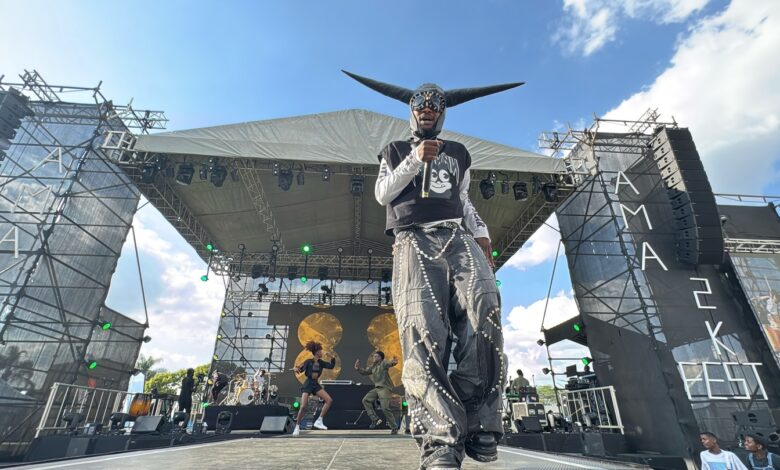
A bold Ama2k-inspired outfit worn by musician Bagga has triggered widespread national discussion in Zimbabwe, drawing attention to how fashion, music and identity are merging into a single cultural movement. The outfit, revealed during the Ama2k festival wave, quickly went viral after its dark aesthetic and horn-like design elements sparked intense debate on social media. Some viewers interpreted the look as controversial, while others saw it as a powerful artistic statement rooted in performance and youth expression. The reaction has highlighted a growing cultural shift where fashion is no longer just clothing but a form of communication. It has also exposed how audiences are still adjusting to more experimental design languages emerging from Zimbabwe’s creative industry.
Designer Jephason Muranda, who collaborated on styling within the denim-focused movement, explained that the outfit was intentionally designed to challenge visual expectations. He said the controversy was not about religion or symbolism in a literal sense but about interpretation and shock value in modern fashion. According to him, the design was influenced by performance art and avant-garde aesthetics that rely on bold visual disruption. The goal, he said, was to create something that forces reaction rather than blend into conventional stagewear. In his view, the conversation that followed proved the outfit succeeded in its purpose. He added that fashion that generates debate is already fulfilling its cultural function.
Muranda described the Ama2k moment as part of a wider transformation in Zimbabwe’s fashion landscape, where denim has become a central language of youth identity. Across cities and townships, denim is now used not only as everyday clothing but as a tool for storytelling, branding and self-expression. Oversized silhouettes, distressed fabrics and customised graphics have become defining features of this style wave. Young creatives are using clothing to reflect lived experiences, ambition and cultural pride in ways that go beyond traditional fashion norms. This evolution shows how style is increasingly tied to identity and social visibility among Zimbabwe’s younger generation.
He explained that denim now plays different roles depending on context, shifting between identity on the streets, performance armour on stage and branding material on social media. This adaptability has made it one of the most dominant materials in Zimbabwe’s creative scene. Muranda also noted that artists and designers are collaborating more closely than ever before, turning fashion into an extension of music performance. Instead of simply dressing artists, designers now focus on building full visual characters that match sound and stage presence. This shift has transformed styling into a form of storytelling that connects directly with audiences.
According to Muranda, each outfit is now designed to reflect the emotional tone of the music being performed. High-energy tracks demand bold, exaggerated clothing choices, while more reflective songs require symbolic and narrative-driven designs. Every look is expected to include at least one standout piece that captures attention instantly. This could be a jacket, pair of jeans or accessory that becomes instantly recognisable. He explained that modern stagewear must perform well under lighting, move effectively on stage and remain visually strong in photographs and videos. This focus on visual impact has made fashion a key part of an artist’s digital identity.
Artists such as Freeman HKD and RunnerRulez have embraced this denim-driven movement, using it to build stronger personal branding. Their fashion choices are frequently replicated by fans across platforms like Instagram and TikTok, amplifying trends quickly. The movement draws influence from ZimDancehall, ZimHipHop, Amapiano culture and township life, blending local identity with global streetwear aesthetics. Muranda said the result is not random but rooted in lived experience and cultural expression. He emphasised that each design reflects the realities, struggles and creativity of young Zimbabweans.
The reaction to Bagga’s outfit also revealed a tension between experimental fashion and traditional expectations. Some audiences associated the design’s dark tones and horn-like elements with negative symbolism, showing that avant-garde fashion is still relatively new in mainstream Zimbabwean culture. Muranda clarified that such designs should be understood as performance art rather than literal representation. He explained that shock fashion is meant to provoke thought and emotion, not to convey religious or ideological messages. The debate itself, he added, confirmed the cultural impact of the outfit.
Beyond artistic expression, denim’s rise is also driven by practical factors. It is durable, widely available and easy to customise, making it ideal for Zimbabwe’s hustle-driven environment. Designers are combining rugged elements like rips and fades with luxury details such as rhinestones and metallic finishes. This fusion creates a balance between street authenticity and polished stage presence. Muranda described this aesthetic as “grit plus glam,” where artists are expected to look both relatable and aspirational. This balance has become a defining feature of modern Zimbabwean performance fashion.
The movement is largely driven by independent designers and digitally connected youth communities who share styles online. Social media platforms have accelerated the spread of trends, allowing fashion ideas to travel quickly across regions. Muranda believes the next phase will include sustainable denim production, stronger artist collaborations and more experimental silhouettes. He also expects technology to play a larger role, including reflective fabrics and LED-enhanced garments for stage performances. These innovations, he said, will continue pushing Zimbabwean fashion toward global visibility.
What began as debate over a single Ama2k festival outfit has grown into a wider reflection on Zimbabwe’s evolving cultural identity. Denim has moved beyond fabric to become a symbol of creativity, rebellion and youth expression. The conversation around Bagga’s outfit shows how fashion now sits at the centre of music, identity and digital culture. As artists, designers and fans continue to shape this movement, Zimbabwe’s fashion landscape is entering a new and more expressive era.