Stanbic Bank Zimbabwe Expands Global Market Access for Farmers Through China Export Linkages
Stanbic Bank Zimbabwe is stepping up efforts to connect local farmers with international buyers as demand for African agricultural products continues to grow. The bank is using its global network to open export channels for Zimbabwe’s horticulture sector, with a strong focus on high-value crops. This strategy aims to shift farmers from local dependency toward global market participation. The initiative comes at a time when Zimbabwe is working to strengthen foreign currency earnings through agricultural exports. It also reflects a broader push to position farming as a key driver of national economic growth.
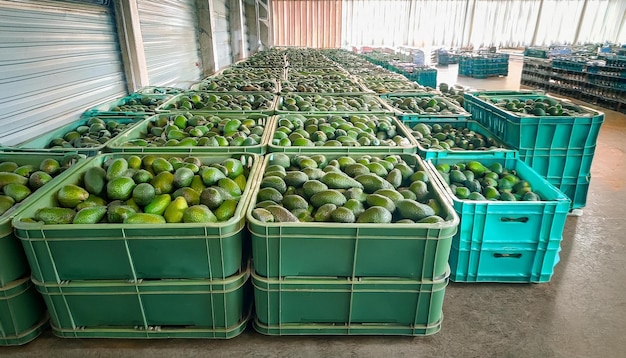
A recent milestone in this strategy was Stanbic Bank’s involvement in linking Zimbabwean producers with Chinese buyers during a horticulture engagement organised by ZimTrade. The event created direct interaction between local farmers and international delegates interested in sourcing produce from Zimbabwe. The focus was placed on crops such as avocados, macadamia nuts and blueberries, which continue to attract strong global demand. The engagement is part of ongoing efforts to expand Zimbabwe’s export footprint beyond traditional markets. It also helps farmers understand international quality standards and buyer expectations.
Stanbic Bank’s Head of Agribusiness, Tawanda Maposah, said the bank has moved beyond traditional lending to offer broader support for agriculture. He explained that the bank now plays a role in linking producers directly with credible international buyers. This approach helps farmers improve value realisation and secure more stable export opportunities. He emphasized that agriculture remains central to Zimbabwe’s economic development strategy. He also noted that structured market access is key to unlocking long-term sector growth.
Maposah highlighted that engagements like the China horticulture linkages are designed to strengthen commercial relationships between Zimbabwean farmers and global markets. He said the initiative exposes international buyers to the quality and scale of local production. This direct interaction helps build trust between producers and importers. It also reduces barriers that often prevent small and medium-scale farmers from entering export markets. The result is a more inclusive export ecosystem that benefits both large and emerging agricultural players.
A key driver of Stanbic Bank’s strategy is its international banking network, particularly its relationship with the Chinese market. Tapuwa Nyika, Head of Africa China Banking, explained that the institution uses its global footprint to support cross-border trade. He noted that the bank has developed practical tools such as an Exporters’ and Importers’ Guide to China. This resource is designed to help Zimbabwean businesses understand regulatory requirements and market entry processes. It also provides guidance on how to navigate trade relationships effectively.
Nyika added that Stanbic Bank’s presence within the Standard Bank Group gives Zimbabwean exporters a competitive advantage. Through offices such as its Beijing base, the bank is able to directly connect local producers with verified buyers. This reduces uncertainty in international transactions and strengthens trade confidence. He explained that the network is structured to support long-term commercial relationships rather than one-off deals. It also helps Zimbabwean businesses scale operations into new regions with greater efficiency.
The broader strategy aligns with Stanbic Bank’s long-term goal of supporting economic growth across Zimbabwe and the wider African continent. Nyika said the bank is focused on creating sustainable opportunities that allow local businesses to expand globally. He emphasized that access to international markets is essential for driving industrial growth. The bank’s approach combines financing, trade facilitation and market intelligence. This integrated model is designed to help farmers move from production to export readiness.
The initiative has also received strong support from trade development institutions. Allan Majuru, Chief Executive of ZimTrade, praised the collaboration between the bank and export promotion agencies. He said the engagement is vital for improving Zimbabwe’s overall export performance. He also stressed the importance of including smallholder and rural farmers in global value chains. According to him, inclusive participation is essential for sustainable national growth.
Majuru noted that the quality of Zimbabwean horticultural products impressed the visiting Chinese delegation. Crops such as blueberries and nuts received positive feedback for their freshness and production standards. He said this response confirms Zimbabwe’s potential as a competitive supplier in international markets. He also highlighted that structured buyer engagements help convert interest into actual trade agreements. This step is critical in turning agricultural potential into measurable export revenue.
Stanbic Bank’s efforts reflect a broader transformation in how financial institutions support agriculture in Zimbabwe. The focus is no longer limited to loans but now includes market access, trade facilitation and global networking. This shift is helping farmers move closer to international buyers who value quality and consistency. It also strengthens Zimbabwe’s position in high-value agricultural exports. The horticulture sector stands to benefit significantly from these expanded opportunities.
The collaboration between Stanbic Bank, ZimTrade and international buyers marks a strategic step in reshaping Zimbabwe’s export landscape. It shows how financial institutions can play a direct role in connecting local production with global demand. For farmers, it opens new pathways to scale operations and improve income stability. For the economy, it strengthens export earnings and diversification. The continued expansion of these linkages signals a growing integration of Zimbabwe’s agriculture into global trade networks, with long-term benefits for both producers and the national economy.