Botswana President Duma Boko Hails Zimbabwe Economic Recovery as Region Watches Growth Momentum
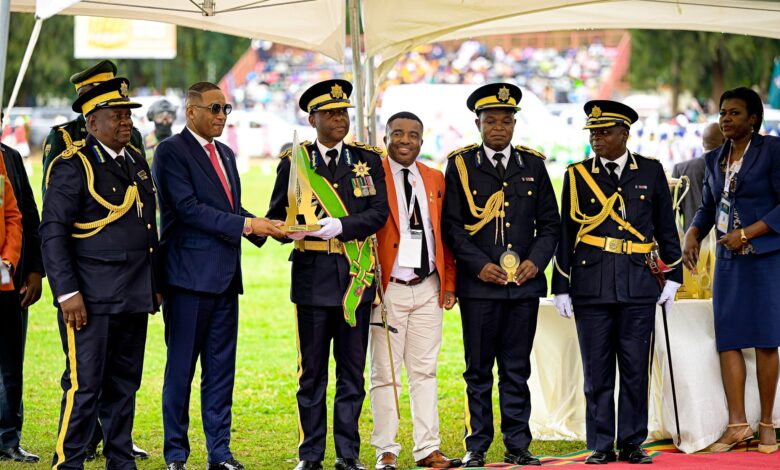
Botswana President Duma Boko has praised Zimbabwe’s recent economic performance, describing it as a clear sign of renewal that is reshaping confidence across Southern Africa. His remarks come as Zimbabwe records stronger than expected growth and attracts renewed attention from global financial institutions and regional partners. The statement was made during the official opening of the 66th Zimbabwe International Trade Fair in Bulawayo, where regional leaders, investors and business delegations gathered to assess new opportunities. According to President Boko, Zimbabwe’s recovery is not only a national milestone but also a development that carries weight for the broader African economy. His comments reflect growing regional optimism about Zimbabwe’s direction under its current economic reform agenda.
Recent data from the International Monetary Fund shows that Zimbabwe’s economy expanded by about 7.5 percent in 2025, surpassing earlier government projections of 6.6 percent. The IMF World Economic Outlook report indicates that this momentum is expected to continue into 2026, supported by improvements in key sectors. Strong global gold prices have played a major role in boosting export earnings, while platinum and lithium production have also rebounded significantly. These gains have strengthened foreign currency inflows and improved investor sentiment. At the same time, the introduction of the Zimbabwe Revenue Authority’s digital Tax and Revenue Management System has increased efficiency and improved tax collection, further supporting fiscal stability.
President Boko noted that Zimbabwe’s current trajectory reflects disciplined policy implementation and a clear focus on macroeconomic stability. He stated that the country is now on a more confident growth path that is beginning to restore regional trust in its economic outlook. Speaking at the trade fair, he highlighted that the progress achieved in 2025 is already influencing perceptions of Zimbabwe across Africa and beyond. He credited leadership efforts for maintaining consistency in economic reforms despite past challenges. His remarks positioned Zimbabwe as a country that is actively rebuilding its economic foundations through structured reforms and improved governance systems.
The Botswana leader also praised President Emmerson Mnangagwa for providing leadership that has supported economic stabilisation and reform implementation. He said Zimbabwe’s progress is inspiring confidence not only within its borders but also across neighbouring countries and the wider continent. He emphasised that the international community is closely watching Zimbabwe’s reforms and responding positively to signs of sustained recovery. According to him, the country’s direction reflects both resilience and long term planning. He further expressed hope that this growth will continue to be inclusive and benefit ordinary citizens, not just large economic players.
Despite the positive outlook, President Boko stressed that economic success must ultimately be measured by its impact on citizens. He said growth figures alone are not enough unless they translate into improved livelihoods, job creation and broader access to economic opportunities. His comments reinforced the idea that inclusive development remains a key priority for regional leaders. He also highlighted the role of platforms such as the Zimbabwe International Trade Fair in supporting investment, trade and collaboration across sectors. The event continues to serve as a major meeting point for business leaders, policymakers and investors from across Africa.
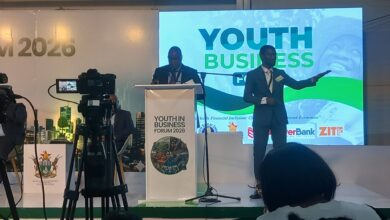
The Zimbabwe International Trade Fair has once again drawn strong participation from regional and international exhibitors, reinforcing its importance as a commercial hub. Running under the theme “Connected Economies, Competitive Industries,” the event has focused on strengthening regional integration and encouraging business to business engagement. Key programmes include the Rural Industrialisation Indaba, the ZITF Innovators Forum, the Connect Africa Symposium, the Youth in Business Festival and the Diplomats Forum. These initiatives are designed to promote innovation, investment and collaboration across multiple sectors. The trade fair continues to position Zimbabwe as a key player in regional economic dialogue.
President Boko also used the platform to highlight the deepening relationship between Botswana and Zimbabwe. He described the two countries as closely linked by history, culture and shared development goals. Economic cooperation between the two nations continues to expand across sectors such as trade, agriculture, energy, transport, health, tourism and infrastructure. He noted that both formal diplomatic channels and private sector partnerships are driving stronger integration. This growing cooperation is already creating new business opportunities and improving cross border trade flows.
He further acknowledged the strong presence of Botswana companies and government agencies at this year’s trade fair, saying their participation helps expand market access and strengthen bilateral ties. Zimbabwe remains an important trading partner for Botswana, particularly as a non diamond export destination. He also pointed to Zimbabwean participation in Botswana’s Global Expo as a sign of balanced and growing economic exchange between the two countries. These interactions are helping businesses from both sides access new markets and build stronger commercial networks. The private sector is playing an increasingly important role in shaping this regional partnership.
As Zimbabwe continues to record stronger economic performance, regional leaders are closely observing its progress and impact. President Boko’s remarks reflect a broader shift in perception, where Zimbabwe is increasingly viewed as a country rebuilding its economic strength through structured reforms and sectoral growth. While challenges remain, the current trajectory suggests a more stable and promising outlook. The combination of resource driven growth, policy reforms and regional cooperation is creating new momentum. If sustained, this progress could position Zimbabwe as a stronger economic force in Southern Africa and contribute to broader continental development goals.