Vybz Kartel Sparks African Unity Conversation After Message to Zimbabwe and South Africa
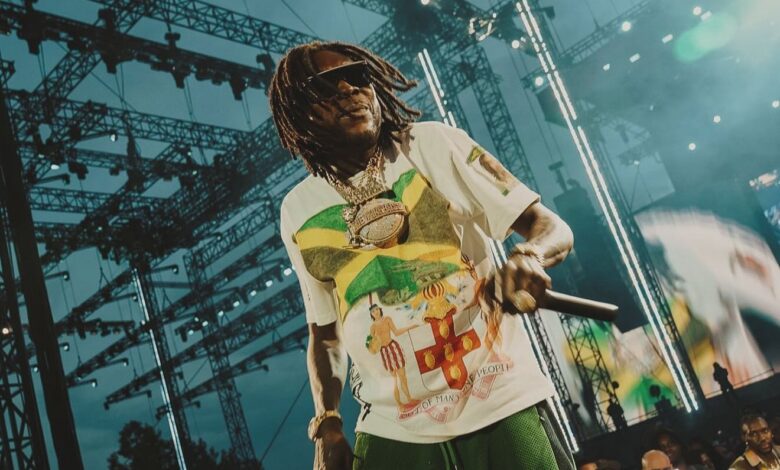
Dancehall star Vybz Kartel has triggered widespread discussion on social media after sharing a short but powerful message calling for unity between Zimbabweans and South Africans. The statement spread quickly across multiple platforms and drew attention from fans across Africa who viewed it as a reminder of shared identity beyond national borders. Kartel urged people to embrace peace, solidarity and respect between neighbouring countries, saying divisions should not define relationships between African nations. His message arrived at a time when online debates around immigration and economic pressure continue to fuel tension between citizens in different parts of the continent. Many users said the timing of his remarks made them more impactful and relevant to ongoing conversations.
In his message, Kartel addressed both groups directly, encouraging mutual understanding and cooperation. He said, “My brothers and sisters from South Africa, take time with our brothers in Zimbabwe because we’re one. Oneness matters more.” The simplicity of the statement contributed to its viral spread, as fans shared clips and screenshots across social media platforms. Many Zimbabwean users responded positively, praising the artist for promoting unity rather than conflict. Some commenters said it was meaningful to hear such words from a Caribbean artist who still shows awareness of African social dynamics. Others noted that his influence in African music culture helped amplify the message even further.
The reaction online was immediate and widespread, with fans from both Zimbabwe and South Africa engaging in discussions about regional unity. Many users expressed agreement with Kartel’s message, saying African countries should focus more on cooperation than division. One supporter wrote that Africans are neighbours before anything else, reflecting a sentiment echoed across multiple comment sections. Others said the message highlighted the need for more understanding between Zimbabweans living in South Africa and local communities. Some users also pointed out that economic pressure often fuels misunderstandings, making conversations like these necessary in public spaces. The debate continued to trend as the video circulated widely.
A number of social media users also praised Kartel for using his platform to promote positive messaging instead of controversy. They said celebrities often influence public opinion but rarely use their reach to promote unity or social reflection. Fans described the statement as refreshing and important in a digital space often dominated by conflict-driven content. Others said the message carried weight because it came from a respected figure in African-influenced music culture. Kartel’s long-standing popularity in Zimbabwe and across Africa also contributed to the strong engagement, as many fans already view him as a cultural icon within the dancehall genre. His influence has remained strong over the years through music, style and performance.
The conversation also touched on broader themes of Pan-African identity and cooperation among African nations. Some users linked Kartel’s remarks to ongoing discussions about unity across the continent, where cultural and historical ties are often highlighted as a foundation for solidarity. One user wrote that borders should not divide African people, reflecting a common viewpoint in Pan-African discussions online. Another comment suggested that understanding African unity is not limited to those born on the continent, pointing to Kartel’s message as an example of global awareness. These responses showed how a short statement can connect to deeper conversations about identity, belonging and regional relationships.
The message also resonated because it highlighted real-life experiences shared by many Zimbabweans living in South Africa. Discussions around migration, employment and economic pressure often surface in online debates between the two groups. Some fans said Kartel’s message reflected the reality that both nations depend on each other in different ways. Others argued that misunderstandings often arise from broader socio-economic challenges rather than personal conflict. These perspectives added more depth to the online discussion and shifted attention toward cooperation instead of division. The conversation continued to grow as more users shared their views.
Entertainment followers noted that African artists are increasingly using their platforms to speak on social and cultural issues beyond music. From messages of peace to campaigns promoting African identity, many public figures are shaping conversations that extend beyond entertainment. Kartel’s statement joined this growing trend of artists influencing public dialogue through brief but impactful messages. Although the clip was short, it managed to reach thousands of people and spark meaningful discussion across different communities. The speed at which it spread showed how quickly messages from influential figures can travel in the digital age.
The moment reinforced a simple idea that many fans repeated throughout the discussion, unity matters more than nationality. Supporters said Africans should focus on shared goals and mutual respect rather than division based on borders. Kartel’s message, though brief, created space for reflection and conversation across different audiences. It also highlighted the power of music figures in shaping public sentiment beyond entertainment. As the clip continues to circulate online, the discussion around African unity remains active, driven by a message that many say is both timely and necessary.