Keith Zenda Inspires Zimbabwean Artists to Reach the Global Stage Through Talent, Authenticity and Mentorship
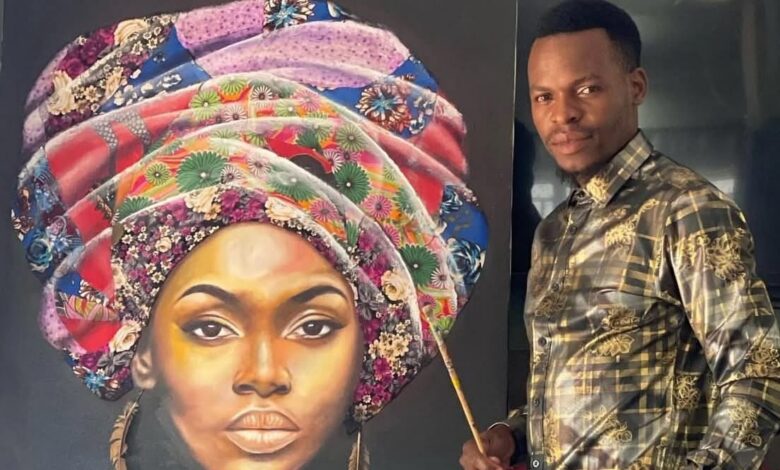
For many aspiring Zimbabwean visual artists, achieving international recognition often feels like an impossible goal reserved for those with formal education, financial resources or influential connections. Award-winning self-taught visual artist Keith Zenda has spent more than two decades proving that success in the global art world is possible through talent, determination and an unwavering commitment to authenticity. His remarkable journey from a rural village in Zimbabwe to exhibitions across several continents has become an inspiring example for emerging artists who dream of sharing their work with the world. Today, Zenda is widely respected not only for his artistic achievements but also for his dedication to mentoring the next generation of creatives. His story demonstrates that passion, resilience and a clear vision can overcome even the most difficult obstacles.
On Friday, Keith Zenda is set to deliver a public talk at the National Gallery of Zimbabwe in Bulawayo, where he will share valuable insights into navigating the international art scene. The event is expected to attract visual artists, students and art enthusiasts eager to learn from someone who has successfully built a global career without formal art school training. During the session, Zenda will draw from his own experiences of exhibiting in countries including South Korea, the United Arab Emirates, Switzerland, Germany, the United States, India and China. His presentation promises practical advice on building an artistic career while remaining true to one’s identity and creative vision. For many attendees, the talk offers a rare opportunity to hear firsthand how a Zimbabwean artist transformed humble beginnings into international success.
Although his work has taken him around the world, Zenda believes his greatest achievement is found much closer to home. His residence in Lower Gweru has evolved into the Zenda Art Centre, a vibrant creative hub that provides mentorship, training and artistic opportunities for young people from rural communities. The center has become a place where emerging artists develop their skills, exchange ideas and interact with visiting creatives from different parts of Zimbabwe and abroad. What started as a personal dream has grown into one of the country’s most inspiring grassroots arts initiatives. Through this project, Zenda is ensuring that future generations have access to opportunities that were unavailable during his own childhood.
Zenda’s commitment to youth development is deeply rooted in his personal experiences growing up in Chirumanzu. He discovered his passion for drawing at the age of 10, but artistic opportunities were extremely limited within his rural community. Instead of allowing those challenges to define his future, he resolved to create the kind of environment he wished had existed during his formative years. Establishing the Zenda Art Centre at Makepesi Business Centre became his way of giving back to the community while offering young people a positive alternative to social problems such as alcohol abuse and drug use. By creating a space dedicated to creativity, learning and self-expression, he has helped countless young artists discover and nurture their talents.
For Keith Zenda, the art center represents more than a workplace or training facility. It is a lasting legacy that reflects his belief in the transformative power of creativity and mentorship. He wanted to establish something that would continue benefiting future generations long after his own career. Today, the center regularly welcomes artists from different regions who gather to collaborate, learn and exchange ideas in a supportive environment. International artists have also visited Lower Gweru to conduct workshops while gaining a deeper appreciation of Zimbabwe’s artistic traditions. This exchange of knowledge has strengthened cultural connections while expanding opportunities for local artists.
The Zenda Art Centre also complements another initiative founded by the artist, Artgal Zim Centre, which focuses on mentoring aspiring creatives and supporting disadvantaged members of society through training, exhibitions and artistic development. Both platforms reflect Zenda’s commitment to using art as a tool for education, empowerment and social transformation. His work is strongly influenced by the philosophy of Ubuntu, emphasizing humanity, unity and shared responsibility. Rather than viewing art solely as a commercial pursuit, he believes creativity has the power to strengthen communities and preserve cultural identity. This philosophy continues to guide both his artistic practice and his community work.
One of the most remarkable aspects of Keith Zenda’s journey is that he never attended art school. His artistic education began with whatever materials he could find, including charcoal, matchsticks and clay because professional art supplies were beyond his family’s financial means. As a child, he filled school exercise books with drawings of footballers and wrestlers while experimenting with homemade artistic techniques. His life changed when he met mentor Berthold Moyo, then a lecturer at Mkoba Teachers’ College. Moyo generously opened his studio to the young artist every weekend and taught him valuable painting techniques that laid the foundation for his future career.
Outside the studio, life remained difficult for the young artist. As the eldest child in his family, Zenda helped his mother sell vegetables, fruit and boiled eggs to support household expenses and pay school fees. After completing his O Level studies, he traveled to Botswana carrying wildlife and landscape paintings that he hoped to sell to tourists. Although the experience gave him valuable business knowledge, returning home also brought significant disappointment as several galleries rejected his work. Rather than allowing rejection to discourage him, he used the criticism as motivation to redefine his artistic style and continue improving his craft.
Over time, Keith Zenda evolved from painting realistic subjects to exploring impressionism, contemporary art and eventually abstract expressionism. His latest collection, titled Liberation, represents one of the boldest transformations of his artistic career. The series explores Zimbabwe’s history, identity and emotional landscapes while embracing abstraction as a powerful form of personal and cultural expression. According to Zenda, every painting tells a story that speaks either to the present generation or to those who will come after. He believes Liberation reflects genuine emotions rather than artwork created simply to satisfy commercial demand, making it an important milestone in his artistic development.
Zenda also believes every artist should develop a distinctive identity rather than imitate others. He says each of his paintings carries his unique creative fingerprint through his brushwork, ideas and emotional expression. Because he did not receive formal academic training, he feels free to experiment with unconventional materials such as recycled plastics and scrap metal whenever traditional supplies are unavailable. For him, creativity comes from the soul rather than from expensive equipment or strict artistic rules. This freedom has allowed him to produce work that remains authentic while attracting increasing international attention.
As part of his upcoming presentation in Bulawayo, Zenda will also discuss what it truly takes to build an international artistic career. He believes technical ability alone is not enough to achieve lasting success. Throughout his own journey, discipline, faith, strong character and meaningful relationships have been just as important as artistic talent. According to him, opportunities often arise because people trust your integrity and believe in your values as much as they appreciate your artwork. This perspective encourages young artists to invest not only in improving their skills but also in developing the personal qualities that sustain long term success.
Another lesson that has shaped Zenda’s career is the importance of having a clear vision for the future. Long before the Zenda Art Centre became a reality, he openly shared his dream of creating a space where local and international artists could come together. Years later, a Canadian friend who had heard about that vision two decades earlier traveled to Lower Gweru specifically to witness the dream become reality. The experience reinforced Zenda’s belief that consistent effort and faith can eventually transform ambitious ideas into tangible achievements. His story reminds aspiring artists that meaningful success often requires patience and long term commitment.
Mentorship remains one of the central values that defines Keith Zenda’s work. He believes the generosity shown to him by his mentor should continue through every generation of artists. By helping one young creative succeed, that individual can later inspire and mentor many others, creating an ongoing cycle of artistic growth and cultural preservation. He also believes every community should have its own creative space where young people can discover and develop their talents. In his view, art centers play a role similar to libraries by preserving history, nurturing creativity and strengthening communities for generations to come.
As he prepares to address artists and art lovers in Bulawayo, Keith Zenda continues to encourage African creatives to embrace their cultural identity rather than imitate international trends. He believes originality is ultimately more valuable than conformity and urges artists to create from the heart instead of chasing gallery expectations. While recognition may take time, he insists that authentic work will eventually find the right audience and collectors. His extraordinary journey from a rural Zimbabwean village to global exhibitions stands as powerful proof that talent, perseverance and authenticity can overcome even the greatest barriers. Through his art, mentorship and unwavering belief in African creativity, Keith Zenda is helping shape a brighter future for Zimbabwe’s visual arts sector while inspiring a new generation to dream beyond borders.