Prince Sivalo Mahlangu Showcases Zimbabwe’s Indigenous Cuisine at Luju Food & Lifestyle Festival in Eswatini
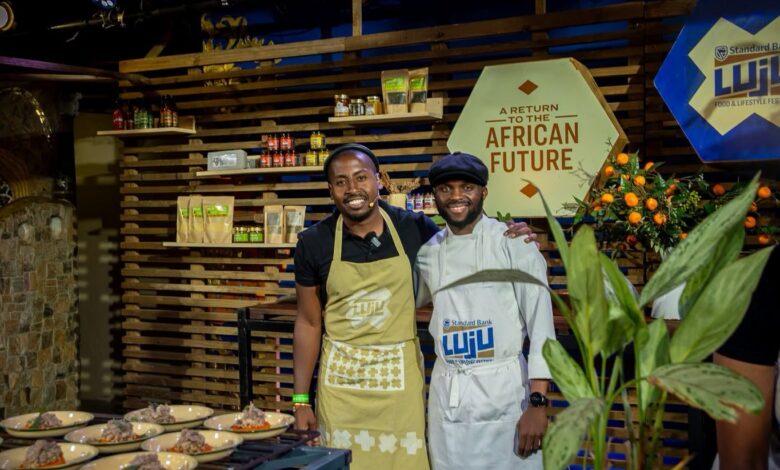
Bulawayo-based culinary storyteller and Magriza Made Me Cook founder Prince Sivalo Mahlangu has earned praise after representing Zimbabwe at the prestigious Standard Bank Luju Food & Lifestyle Festival in Eswatini. The celebrated food advocate used the regional platform to showcase the depth, diversity and cultural importance of traditional African cuisine. His participation highlighted the growing recognition of indigenous food practices as an important part of Africa’s culinary identity. Mahlangu’s appearance at the festival allowed him to share Zimbabwean and broader Nguni food traditions with an international audience of food lovers, chefs and cultural enthusiasts. The experience further strengthened his position as one of Southern Africa’s leading voices in preserving and promoting indigenous food heritage.
Mahlangu was among a carefully selected group of chefs invited to participate in the festival’s culinary showcase, which attracted some of the region’s most respected food personalities. The event provided a space for chefs and storytellers to explore the connection between food, history and identity through creative presentations. During the showcase themed “Ancestral Forage & Ferments”, Mahlangu focused on the importance of indigenous ingredients and traditional preparation methods that have been passed down through generations. He demonstrated how African communities have long used local resources to create meaningful and nutritious meals that reflect their environments and cultural practices. His presentation celebrated the knowledge of ancestors while showing how traditional cuisine continues to influence modern African gastronomy.
At the festival, Mahlangu shared the stage with acclaimed culinary figures including South Africa’s Mmabatho Molefe and Eswatini’s Sive Bhembe. The collaboration brought together different perspectives on African food traditions while highlighting the similarities between regional cuisines. Through storytelling and cooking demonstrations, the chefs showed how food can preserve memories, connect communities and celebrate heritage. Mahlangu’s contribution focused on Nguni foodways and the cultural significance behind ingredients, techniques and recipes that have survived through generations. His participation demonstrated that African cuisine is not only about meals but also about history, identity and the stories carried through every dish.
Following the successful showcase, Mahlangu expressed his appreciation to the Luju Food & Lifestyle Festival organisers and everyone who attended the event. He described the opportunity to present Nguni food traditions on such a respected platform as an honour and a meaningful moment in his culinary journey. Mahlangu explained that celebrating traditional flavours, ancestral knowledge and stories passed down through generations remains central to his work. He thanked the festival team and visitors who took time to experience his presentation, taste the food and engage with the stories behind the cuisine. His message reflected his commitment to ensuring that indigenous food culture continues to receive recognition across Africa and beyond.
Mahlangu’s journey in promoting African cuisine has made him an influential figure in the region’s culinary landscape. Through his Magriza Made Me Cook platform, he has combined cooking with storytelling to highlight the importance of preserving traditional food knowledge. His work focuses on reconnecting communities with indigenous ingredients and encouraging appreciation for recipes that carry cultural meaning. The invitation to participate in the Luju Festival represents another major achievement in his mission to elevate African culinary heritage. It also shows the increasing global interest in authentic food experiences that celebrate local traditions and cultural diversity.
The recognition received at the Eswatini festival comes as Mahlangu prepares for the next chapter of his own culinary storytelling project. Following his regional showcase, he has returned to Bulawayo where preparations are underway for the launch of the second season of Magriza Made Me Cook. The upcoming season is expected to continue exploring the relationship between food, culture and personal stories. Fans of the platform will have the opportunity to experience the new season during a live screening of the first episode at the National Gallery of Zimbabwe in Bulawayo on August 8. The event is expected to bring together food enthusiasts, creatives and supporters of Zimbabwean cultural expression.
Mahlangu’s work represents a growing movement among African chefs and storytellers who are using food as a tool to preserve history and promote cultural pride. His approach demonstrates that traditional cuisine has value beyond the kitchen because it carries the experiences, beliefs and identities of communities. By sharing indigenous recipes and cooking methods, he helps ensure that younger generations understand the importance of their culinary heritage. His participation at international and regional platforms such as the Luju Food & Lifestyle Festival creates opportunities for African food traditions to reach wider audiences. It also reinforces the idea that indigenous cuisine deserves recognition alongside global culinary trends.
Prince Sivalo Mahlangu’s successful appearance at the Standard Bank Luju Food & Lifestyle Festival marks another important achievement in his mission to celebrate African food culture. His dedication to preserving indigenous cuisine through storytelling has positioned him as an important ambassador for Zimbabwean and Nguni culinary traditions. As he prepares to launch the second season of Magriza Made Me Cook, his influence continues to grow among audiences interested in authentic African food experiences. His journey reflects the power of food to connect people, preserve history and inspire cultural appreciation. Through his continued efforts, Mahlangu is helping ensure that Africa’s traditional flavours and stories remain valued for generations to come.