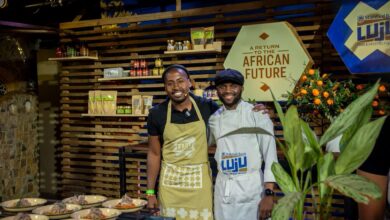
Prince Sivalo Mahlangu Takes Magriza Made Me Cook to China for Cultural Exchange

The success of the second season of traditional cuisine and culture platform Magriza Made Me Cook has created a significant international opportunity for its founder and head chef, Prince Sivalo Mahlangu. The culinary creative is currently in China after being selected to participate in a cultural exchange seminar focused on art innovation, management and global cooperation. His participation places traditional African cuisine and cultural storytelling within an international forum that brings together creative practitioners from different parts of the world. For Mahlangu, the trip represents an important step in his efforts to promote African food traditions while learning from other cultures. It also highlights how food can create opportunities for cultural exchange, collaboration and greater appreciation of heritage.
Mahlangu is participating in the Seminar on Art Innovation and Management under the Global Civilisation Initiative, which is taking place from August 27 to September 9, 2026. The annual seminar brings together cultural practitioners from different countries to encourage cooperation and mutual learning in areas such as arts management, cultural heritage and creative innovation. Representatives from African countries are taking part, creating an environment where participants can share experiences and learn about different approaches to preserving and promoting culture. Mahlangu is participating alongside 24 other African creatives from neighbouring countries. His inclusion reflects his growing profile as a practitioner who uses traditional African cuisine as a platform for cultural education and storytelling.
The invitation comes at an important point in the development of Magriza Made Me Cook, which has continued to build interest around traditional cuisine and culture. The platform has placed African food traditions at the centre of its work, helping audiences engage with dishes, ingredients, cooking methods and stories connected to cultural heritage. Its second season has strengthened Mahlangu’s position as a culinary creative who is committed to keeping traditional food knowledge visible and relevant. The success of the platform has also demonstrated the potential for food-focused cultural projects to reach audiences beyond their original communities. His participation in the Chinese seminar now provides an opportunity to take those conversations into an international setting.
During his two-week stay in China, Mahlangu is also using the opportunity to learn about the country’s traditions, cultural heritage and cuisine. China has a diverse culinary landscape shaped by different regions, histories and cultural practices, making the trip particularly relevant to a chef whose work focuses on the relationship between food and heritage. Exploring Chinese cuisine can give Mahlangu new perspectives on how communities preserve culinary traditions while adapting them for contemporary audiences. It also provides an opportunity for him to compare different approaches to food, culture and storytelling. His experience in China could potentially influence future creative work as he continues exploring ways to present traditional African cuisine to wider audiences.
Mahlangu has expressed excitement about experiencing Chinese culture and cuisine first-hand. In a recent social media post, he described the opportunity as a chance to savour China’s cuisine while immersing himself in its rich cultural environment. He said that participants would spend the two weeks exploring Chinese traditions as well as cultural and historical centres across the country. The programme therefore extends beyond food and gives participants a broader understanding of the cultural context in which Chinese traditions have developed. For Mahlangu, that wider exposure complements his own work in African cuisine by giving him the opportunity to learn directly from another culture with a long and influential culinary history.
The chef considers the opportunity an important milestone in his cultural journey and has acknowledged the organisations involved in making his participation possible. He credited the Chinese Embassy in Zimbabwe and the Ministry of Culture and Tourism of the People’s Republic of China for facilitating his involvement in the seminar. Mahlangu also expressed gratitude to China’s Ambassador to Zimbabwe Ding Zhou for the opportunity. His acknowledgement highlights the role that cultural institutions can play in creating opportunities for practitioners working in food, arts and heritage. Such exchanges can give creatives access to international networks while creating opportunities for countries to share knowledge about their respective cultural traditions.
Mahlangu’s participation also demonstrates the broader cultural significance of traditional cuisine. Food carries knowledge about communities, families, history and identity, making it an effective way of communicating heritage across borders. Through Magriza Made Me Cook, Mahlangu has focused on bringing traditional African food into conversations that extend beyond simply preparing and serving meals. His work creates space for people to understand the stories and practices connected to the food they eat. Taking part in an international cultural exchange allows him to place those ideas alongside traditions from other parts of the world. The experience could strengthen his understanding of how food can serve as a bridge between communities with different histories and cultural backgrounds.
The seminar also gives Mahlangu an opportunity to connect with other African creatives participating in the programme. Sharing the experience with 24 other creatives from neighbouring countries can create opportunities for collaboration and the exchange of ideas about cultural preservation. Each participant brings knowledge of their own traditions, creative practices and challenges, creating a diverse African perspective within the wider programme. These interactions can help practitioners discover common experiences while also recognising the differences between African cultures. For someone working at the intersection of food and heritage, those connections could prove valuable as Mahlangu continues developing his culinary and cultural projects.
His journey to China comes as traditional African cuisine continues to attract greater attention within creative and cultural spaces. Chefs and food practitioners are increasingly finding ways to document traditional dishes, preserve indigenous knowledge and introduce heritage foods to younger audiences. Mahlangu’s approach through Magriza Made Me Cook places this work within a platform that combines food with culture and storytelling. International exposure can help strengthen those efforts by introducing African culinary traditions to people who may not have encountered them before. It can also encourage further conversations about the importance of preserving food heritage while allowing traditional cuisine to evolve.
The experience could also influence the future direction of Magriza Made Me Cook. Exposure to Chinese food traditions and cultural presentation may provide Mahlangu with new ideas for how to document, present and celebrate African cuisine. Learning from international cultural practitioners could also help him explore new approaches to creative management and cultural programming. While the immediate focus of his trip is the seminar and cultural exchange, the knowledge gained during the programme could become part of his future work. His experiences in China may therefore extend beyond the two-week visit and contribute to the continued growth of his culinary platform.
Prince Sivalo Mahlangu’s participation in the Seminar on Art Innovation and Management marks an important development in his journey as a chef and cultural practitioner. The success of Magriza Made Me Cook has helped create a platform through which traditional African cuisine can be celebrated, documented and shared, while the China opportunity gives him a chance to learn from another rich cultural environment. His involvement alongside African creatives and international cultural practitioners places food within a broader conversation about heritage, innovation and cultural cooperation. As he explores China’s cuisine, traditions and historical centres, he is not only representing his own creative work but also gaining knowledge that could shape his future projects. The China cultural exchange therefore offers Mahlangu a valuable opportunity to expand his horizons while continuing his commitment to keeping traditional African cuisine and culture at the centre of his creative journey.