Bulawayo Fashion Designers Return From Durban Fashion Fair With New Lessons and Regional Ambitions
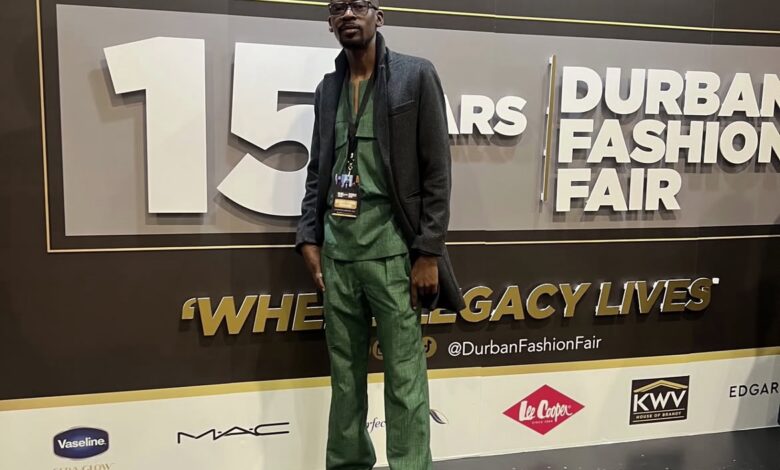
Bulawayo fashion designers Sibusisiwe Falala of Isigqoko Empire and SLF Apparels and Langelihle Ndlovu of GkLAN Designs have returned from their debut appearance at the Durban Fashion Fair with new ideas about craftsmanship, storytelling, collaboration and growing fashion businesses across borders. Their participation at the regional fashion event gave the designers an opportunity to present work from Bulawayo to a wider African audience while learning from established and emerging designers from across the continent. The 15th edition of the Durban Fashion Fair was hosted by eThekwini Municipality from September 16 to 18 at the Durban Exhibition Centre under the theme “Where Legacy Lives”. More than 85 designers took part in the event, including 20 emerging designers from the DFF Class of 2026. The participation of the two Bulawayo designers also highlighted the growing creative relationship between Bulawayo and eThekwini Municipality.
The Durban Fashion Fair brought together fashion talent from several African countries, including Zimbabwe, Botswana, the Democratic Republic of Congo, Namibia and Seychelles. For designers working in Bulawayo, the event provided a platform to see how different African cultures can influence modern fashion without losing their connection to heritage. The fair also created opportunities for designers to interact with people involved in different parts of the fashion value chain. Retailers represented at the event included Edgars, Kangol, Mr Price and The Hub, exposing participating designers to the commercial side of the industry. For Falala and Ndlovu, this combination of runway exposure, professional networking and commercial interaction made the experience particularly valuable.
Ndlovu said the Durban Fashion Fair changed the way he thinks about the relationship between African heritage and contemporary fashion. He observed designers from different parts of Africa using elements of their cultural backgrounds in modern designs that could appeal to wider markets. This showed him that Zimbabwean stories can also be presented through fashion in ways that connect with audiences beyond the country. He said GkLAN Designs would continue drawing inspiration from Zimbabwean heritage and everyday African life while developing contemporary and timeless garments. His focus will be on creating pieces that retain a clear Zimbabwean identity while remaining relevant to both local and international customers.
The experience also encouraged Ndlovu to place greater emphasis on storytelling, quality construction and brand identity. He said he wants to improve the way GkLAN Designs presents collections on the runway, including styling, model movement and the development of a clear narrative connecting individual garments. This approach reflects the broader role that fashion can play in communicating culture and identity. A collection can attract attention through its appearance, but its presentation can also help audiences understand the ideas and experiences behind the garments. For a growing Zimbabwean fashion brand, developing a recognisable identity can therefore become an important part of building relationships with customers and industry professionals.
Ndlovu was also encouraged by the presence of designers from Bulawayo who had participated in the Durban Fashion Fair in previous years. Among them was Sidumiso Tshuma, who won the Best African Menswear Award in 2016, while Saneliso Mpofu and Yolanda Ngwenya also attended the event. Their presence showed Ndlovu that Bulawayo designers have already established links with regional fashion platforms. He said knowing that other designers from the city had gone before him reminded him that his work forms part of a broader story. That sense of continuity can give emerging designers a clearer understanding of the possibilities available when local talent reaches regional audiences.
For Falala, the Durban Fashion Fair represented an important step in the development of SLF Apparels. She described her first appearance at the event as exciting and humbling, particularly because she was taking a collection from Bulawayo to a major regional platform. Falala is a qualified teacher who later moved into fashion design and officially launched SLF Apparels in 2024 after initially operating the business as a side hustle from 2019. Her experience at the fair placed her work within a larger conversation about African fashion and allowed her to see how different designers interpret their identities through clothing. She said the experience reinforced her belief that fashion involves more than making garments because storytelling can help different cultures connect.
Falala also highlighted the importance of adapting a fashion presentation for wider audiences while maintaining a strong sense of identity. Participating in a regional event requires designers to consider how their collections look, communicate and perform in a setting where audiences may come from different cultural and commercial backgrounds. At the same time, adapting does not necessarily mean abandoning the ideas and traditions that shape a brand. Falala said the experience taught her that fashion can tell stories that connect cultures while still retaining the identity of the designer. For SLF Apparels, this lesson could influence how future collections are developed and presented to customers outside Zimbabwe.
Mentorship and networking were other important elements of the Durban Fashion Fair experience. Falala said the event demonstrated the value of structured mentorship, regular fashion showcases and stronger connections between designers and local and international markets. These areas can help emerging designers develop technical skills while also learning how to manage the business side of fashion. The event showed that successful fashion ecosystems involve more than individual designers working independently. Designers, models, stylists, photographers, organisers, retailers and public institutions can all contribute to creating opportunities for the wider industry.
The scale of the municipality’s fashion development programme also demonstrated the level of investment required to build a sustainable creative sector. eThekwini Chairperson for Economic Development and Planning Committee Councillor Thembo Ntuli said more than 375 fashion designers and 325 models had been trained through the municipality’s fashion development programme over 14 years. Such programmes can provide emerging talent with access to skills development and professional platforms. The participation of international and regional designers at the Durban Fashion Fair also creates opportunities for creative exchange. For Bulawayo designers, exposure to such an established programme can provide ideas that may be adapted to the needs of the city’s own fashion industry.
Ndlovu identified industry relationships as one of the most important lessons from his first Durban Fashion Fair appearance. He said GkLAN Designs needs to build strong relationships across Southern Africa while maintaining consistent garment quality that meets international standards. This highlights an important difference between creating individual fashion pieces and building a scalable fashion business. Designers who want to reach regional markets need to consider production standards, brand presentation, customer expectations and professional relationships alongside creativity. For GkLAN Designs, the next stage will involve turning the knowledge and connections gained in Durban into practical opportunities for growth.
Falala similarly placed collaboration at the centre of her plans for SLF Apparels. She said one of her biggest lessons was seeing how designers, stylists, photographers, event organisers and local government can work together to strengthen an entire fashion industry. Collaboration can give emerging brands access to skills and audiences that may be difficult to reach independently. It can also improve the quality of fashion productions by bringing different areas of expertise into one project. Falala said SLF Apparels would place greater emphasis on collaboration, branding and positioning for export markets as the business develops.
The commercial opportunities presented by the Durban Fashion Fair are particularly significant for designers seeking to take Zimbabwean fashion beyond its borders. Exposure to retailers such as Edgars, Kangol, Mr Price and The Hub allowed participating designers to see how fashion connects with established retail businesses. Regional expansion requires more than producing attractive clothing because brands must also develop reliable systems, consistent quality and clear commercial positioning. Falala acknowledged this by saying the focus is no longer simply on creating beautiful garments but also on building systems and partnerships that can support regional and global growth. That shift from creative production alone towards a complete fashion business could shape the next phase of her work.
The connection between Bulawayo and eThekwini Municipality has also played an important role in creating these opportunities for local designers. Previous participation by Bulawayo creatives helped establish a pathway for newer designers to access the Durban Fashion Fair. Falala and Ndlovu have now added their own experience to that developing relationship. Their participation gives them the chance to bring new knowledge back to Bulawayo and potentially share what they learned with other designers in the city. It also demonstrates how cultural and creative partnerships between cities can create practical opportunities for emerging businesses.
The return of Sibusisiwe Falala and Langelihle Ndlovu from the Durban Fashion Fair therefore marks more than the end of a fashion showcase. Both designers have returned with lessons about craftsmanship, cultural storytelling, professional presentation, collaboration and the commercial requirements of regional fashion. Ndlovu plans to strengthen GkLAN Designs by combining Zimbabwean heritage with contemporary design while building relationships across Southern Africa. Falala intends to use her experience to strengthen SLF Apparels through collaboration, branding and stronger positioning for export markets. Their next challenge will be turning the exposure, knowledge and connections gained in Durban into sustainable growth for their brands and into wider opportunities for Bulawayo’s fashion industry.