Matamba Women Animate Programme Trains 20 Zimbabwean Women in 2D Animation
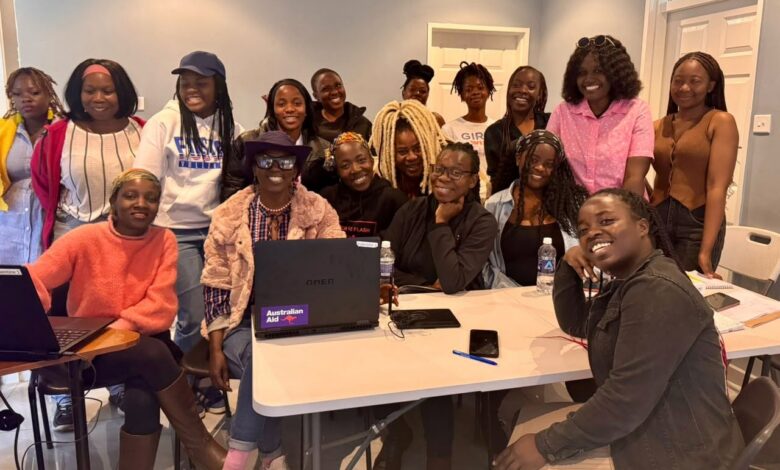
Twenty Zimbabwean women are gaining professional 2D animation skills through a new 12-week training programme designed to increase female participation in the country’s growing technology-driven creative industries. The Matamba Women Animate Programme was launched by Harare-based Matamba Film Labs for Women and is running from July to September. The initiative focuses on giving participants practical technical skills that can prepare them for careers in animation, digital content production and other technology-focused creative roles. Funded by the Embassy of Ireland in Pretoria and supported by the Australian Embassy in Zimbabwe, the programme is also designed to address the gender imbalance that continues to affect technical positions across the creative sector. By combining structured training, mentorship and practical production, the programme aims to create a stronger pipeline of women entering Zimbabwe’s animation and digital media industries.
The training covers several areas that are increasingly important in the modern creative economy. Participants are being introduced to digital design, motion graphics, UI/UX and industry-standard animation software as part of the 12-week programme. These skills can provide a foundation for careers that extend beyond traditional animation into digital advertising, film production, gaming, user experience design and online content creation. The programme specifically targets technical roles because these areas remain largely male dominated despite the growing demand for digital creative skills. By providing women with direct access to technical training, Matamba Film Labs for Women hopes to help participants build both practical expertise and confidence in an industry shaped by rapid technological change.
Access to professional training remains an important consideration for aspiring creatives outside Zimbabwe’s major urban centres. Matamba has therefore taken steps to make the programme more accessible to women from different parts of the country by providing accommodation for four participants travelling from Bulawayo, Tsholotsho, Kwekwe and Domboshava. This approach allows participants from outside Harare to take part without facing the full burden of relocation costs during the training period. Expanding access beyond the capital can also help identify talent that might otherwise remain outside established creative networks. The programme therefore combines skills development with a deliberate effort to make opportunities available to women from different communities.
Mentorship forms another important part of the Matamba Women Animate Programme. Each participant will be paired with an established animator or creative technologist who can provide guidance throughout the training period. This connection gives participants an opportunity to learn from professionals who understand the demands of working in the creative technology sector. Mentors can help emerging artists develop their technical abilities while also providing insight into professional standards, career development and industry expectations. The combination of classroom-style training and direct engagement with experienced practitioners can help participants understand how the skills they learn can translate into real creative work.
The programme will also give the participants an opportunity to apply their newly acquired skills through a collaborative production project. The 20-member cohort is expected to produce five original animated short films as its capstone project. These productions will provide a practical setting in which participants can use animation software, storytelling techniques, digital design and production skills developed during the programme. The completed films are expected to be showcased at festivals in Zimbabwe and across Southern Africa before selected productions are submitted to international platforms. This creates an important pathway from training to public exposure, allowing participants to begin building creative portfolios that could support future employment and collaboration opportunities.
Matamba founder Siza Mukwedini said the programme is intended to achieve more than simply teaching participants how to create animated images. “The Women Animate Program is about more than drawing frames,” Mukwedini said. “It is about mastering software logic and building the confidence for women to lead in STEM-adjacent industries.” Her comments underline the programme’s broader focus on technical capability and professional confidence. Animation increasingly relies on sophisticated digital tools and software, meaning that artists need both creative ability and technical knowledge to compete in the industry. By focusing on these areas, the initiative aims to help women position themselves as skilled professionals rather than limiting their participation to entry-level creative roles.
Mukwedini brings extensive experience in film and creative industries to the programme. She is an award-winning film producer and was named a 2024 Echoing Green Fellow. She founded Matamba in 2018 with a focus on developing a creative economy through new media technology. Since its establishment, the organisation has expanded its programmes to include virtual reality and augmented reality training for women. This wider focus reflects the growing connection between traditional creative disciplines and emerging technologies. Through its programmes, Matamba is seeking to create opportunities for women to participate in areas of the creative economy where technology plays a central role.
The Women Animate Programme has attracted support from several organisations working across the arts, technology and development sectors. The National Arts Council of Zimbabwe, the Australian Embassy and Kumba GreenTech have supported the programme, while industry mentorship has been provided by film professionals Leroy Gopela, Prosper Kunyetu and Evelyn Gambe. Such partnerships can give emerging creatives access to expertise and networks that may not be available through conventional training alone. They can also demonstrate how government bodies, international institutions, private organisations and creative professionals can contribute to skills development. For Zimbabwe’s creative technology sector, these collaborations could help strengthen local capacity while creating more opportunities for women to build sustainable careers.
Facilitators Eugene Mapondera and Mudiwa Marasa said the residency was helping bridge the gap between artists who have limited resources and established industry professionals. This gap can prevent talented creatives from developing the technical skills and professional networks needed to enter competitive industries. Structured programmes can help address that challenge by giving participants access to equipment, software, experienced mentors and collaborative projects. Programme coordinator Geraline Tseriwa also highlighted the combination of creativity, mentorship and community within the initiative. Together, these elements can create an environment where participants develop their abilities while learning from one another and building relationships that may continue after the programme ends.
Participants have also highlighted the value of the training in expanding their understanding of animation and creative practice. Participant Melissa Kasanduka said the programme had demonstrated how animation could deepen her artistic practice. This reflects the broader possibilities of animation as a creative medium that can combine storytelling, visual art, technology and cultural expression. For Zimbabwean women working in creative fields, gaining animation skills could open opportunities in film, advertising, education, entertainment and digital media. The ability to combine artistic ideas with technical production skills can also help participants respond to the growing demand for digital content in local and international markets.
The Matamba Women Animate Programme forms part of Matamba’s wider 2026 activities aimed at expanding access to creative technology and economic opportunities. The organisation is also working on a hackathon in partnership with the Harvard T.H. Chan School of Public Health, alongside a separate Women Animate Lab focused on economic skills for women entering new media industries. These programmes indicate a broader strategy that links creative technology with professional development and economic participation. By combining technical training with entrepreneurship and industry exposure, Matamba is positioning new media skills as potential pathways to sustainable livelihoods. This approach is particularly relevant as digital technologies continue to create new roles across Africa’s creative economy.
The programme also highlights the potential value of international partnerships in developing Africa’s creative technology industries. Support from institutions such as the Embassy of Ireland in Pretoria and the Australian Embassy in Zimbabwe provides resources that can help local organisations deliver specialised training to emerging professionals. At the same time, locally led programmes ensure that training remains connected to the needs and experiences of Zimbabwean creatives. Organisers believe partnerships between local creative organisations and international institutions could provide a model for investing in Africa’s creative technology sector. Such collaboration can strengthen local capacity while supporting greater confidence in African-led approaches to skills development.
The 12-week programme represents an important opportunity for the 20 participating women to gain practical experience and build professional networks in animation and digital content production. Its focus on technical skills, mentorship and original film production gives participants more than theoretical knowledge. The planned festival and international submissions could also provide valuable exposure as the women begin establishing themselves within the creative industry. More broadly, the initiative addresses the need for greater female representation in technology-driven creative roles while demonstrating the potential of animation as a professional career path. If the skills and networks developed through the programme continue to grow after the training ends, the Matamba Women Animate Programme could contribute to a stronger and more inclusive creative technology sector in Zimbabwe.