ZPCS Inmate Warrior Ting Wins Dreamstar Zimbabwe Season 10 Finale
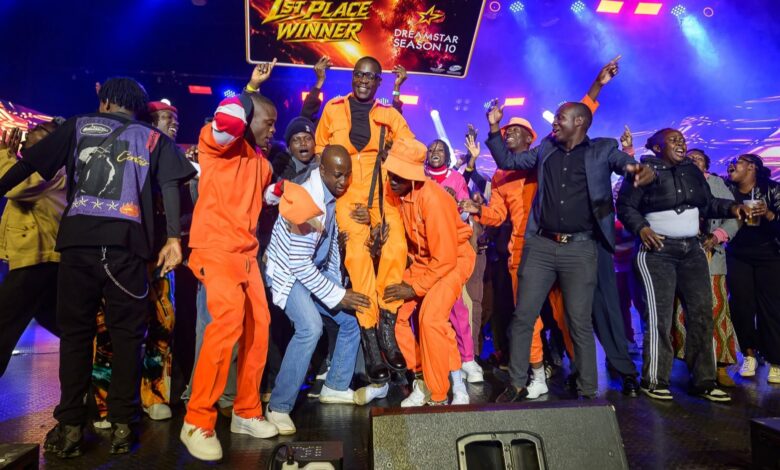
Tinashe Kumunakwenje, better known by his stage name Warrior Ting, has defied expectations by emerging as the overall winner of the Dreamstar Zimbabwe Season 10 finale while participating in the Zimbabwe Prisons and Correctional Service (ZPCS) rehabilitation programme. His victory in Harare marked one of the most powerful moments in the history of the talent competition, demonstrating how creative opportunities can contribute to rehabilitation, personal development and social reintegration. Warrior Ting also secured the People’s Choice Award, popularly known as the Chinese Ambassador Award, giving him a remarkable double victory on the night. His achievement placed the spotlight on the potential of rehabilitation programmes that use the arts to help participants develop confidence, discipline and professional skills. It also reinforced the role of platforms such as Dreamstar Zimbabwe in identifying talent and creating opportunities for people from diverse backgrounds.
Warrior Ting’s success came during a highly competitive Season 10 finale that brought together talented performers from across Zimbabwe. His performance impressed both the judging panel and the public, ultimately earning him the competition’s top prize. The People’s Choice Award added another significant achievement to his evening, showing that his talent connected strongly with audiences as well as the competition’s decision-makers. His participation through the ZPCS rehabilitation programme made the victory particularly significant because it demonstrated how artistic expression can provide a constructive path for people seeking to rebuild their lives. The achievement has also drawn attention to the potential of music and performance as tools that can support rehabilitation beyond traditional correctional programmes.
Bulawayo also delivered a strong performance at the Season 10 finale, with singer Tadiwa Moses taking second place. No Name Dance Crew finished in third position, adding further diversity to the competition’s final results. The performances reflected the wide range of creative talent emerging from Zimbabwe, from individual singers to organised dance groups. Having finalists from different parts of the country also highlights the national reach of Dreamstar Zimbabwe after a decade of talent development. The competition continues to provide a platform where emerging performers can gain exposure, compete at a professional level and connect with people who can support their future careers.
The Season 10 finale also introduced an alumni segment that brought former contestants back into the spotlight. Former participants, including Mwenje Mathole and Fusion Five Mangwiro, joined the current finalists for a mentorship showcase. The segment created an opportunity for established Dreamstar alumni to share their experience with the latest generation of performers. It also demonstrated how talent competitions can create networks that continue to benefit participants long after a competition ends. By connecting former contestants with new performers, Dreamstar Zimbabwe is building a stronger creative community where experience and knowledge can be passed from one generation to another.
The finale carried additional significance because it marked the 10th anniversary of Dreamstar Zimbabwe. For a decade, the programme has focused on identifying, nurturing and promoting talent from across the country. The milestone provided an opportunity to reflect on the programme’s contribution to Zimbabwe’s arts and entertainment sector while celebrating the performers who have passed through its stages. Over the years, Dreamstar has sought to provide young people with access to platforms where they can develop their abilities and pursue creative careers. The Season 10 finale therefore served both as a celebration of the latest winners and as recognition of a decade of investment in talent development.
The participation and eventual triumph of Warrior Ting became one of the most memorable aspects of the anniversary event. His story showed how access to creative opportunities can give people a chance to demonstrate abilities that might otherwise remain undiscovered. For someone participating in a rehabilitation programme, winning a national talent competition can also provide a sense of achievement and a positive direction for the future. The recognition may help challenge negative perceptions surrounding inmates and demonstrate the importance of giving rehabilitated individuals opportunities to contribute positively to society. His victory therefore carries significance beyond the competition itself, particularly in discussions about rehabilitation, reintegration and the role of the arts in personal transformation.
Walter Chanaka, managing director of the China Zimbabwe Exchange Centre and executive producer of Dreamstar Zimbabwe, described the programme’s 10th anniversary as a major milestone. He said the platform had grown into one of Zimbabwe’s most recognisable arts programmes over the past decade. According to Chanaka, Dreamstar has helped launch the careers of emerging performers while expanding access to opportunities for young people. He also stressed that the programme was created with objectives that extend beyond entertainment and competition. Its wider purpose includes using creative participation to encourage positive choices and provide young people with constructive ways to use their talents and energy.
Chanaka said Dreamstar Zimbabwe is intended to contribute to national development and social transformation. He highlighted the programme’s role in addressing social challenges such as drug abuse by providing young people with purpose and a positive outlet for their creativity. The initiative has reportedly benefited more than 5 000 people since its establishment. Some participants have also received full scholarships to study in China under the Chinese Government Scholarship, giving them opportunities to advance their artistic education while participating in cultural exchange. These opportunities demonstrate how a talent competition can create pathways that extend beyond prizes and performances, particularly when it connects participants with education and international experiences.
Warrior Ting’s victory was particularly important to Chanaka because of its connection to rehabilitation and social reintegration. He described the double victory as evidence of the transformative power of the arts in helping people rebuild their lives and prepare to return to society. Creative activities can provide participants with opportunities to develop discipline, confidence, communication skills and a sense of achievement. Recognition through a national platform can also help create a positive identity that is not defined solely by a person’s past circumstances. Warrior Ting’s success therefore provides a powerful example of how rehabilitation programmes can benefit from incorporating structured artistic and cultural opportunities.
Looking ahead, Chanaka said Dreamstar Zimbabwe intends to continue contributing to Zimbabwe’s arts and culture sector. The programme plans to expand its developmental focus through partnerships and increase opportunities for performers to travel to China for cultural diplomacy and exchange. Such initiatives could expose Zimbabwean artists to new audiences, professional networks and creative practices. International cultural exchange can also help performers develop a broader understanding of the global entertainment industry while promoting Zimbabwean culture abroad. The continued development of these partnerships could strengthen the connection between talent development, education and international cultural engagement.
Chanaka also expressed gratitude to the Ministry of Sport, Recreation, Arts and Culture for its support of Dreamstar Zimbabwe. He acknowledged the Chinese Ambassador for continued assistance in strengthening cultural exchange between Zimbabwe and China. The National Arts Council of Zimbabwe was also recognised for its participation and ongoing partnership in supporting the arts industry. These relationships demonstrate the importance of collaboration between Government institutions, cultural organisations and international partners in developing Zimbabwe’s creative sector. Sustained cooperation can help create more opportunities for emerging performers while strengthening the infrastructure needed to support the arts.
The Season 10 finale was also made possible through the involvement of several sponsors and partners. Chanaka thanked organisations including Beifa, China Railway No. 9, Beaut4u, Ganzim, the Chinese Embassy, Wild Africa, Modern Security, Hyatt and Cresta Lodge for their support. Sponsorship can play an important role in enabling talent development programmes to reach larger audiences and provide meaningful opportunities for participants. Private sector involvement can also help creative initiatives improve production standards, expand their programmes and offer greater exposure to emerging artists. The continued involvement of sponsors therefore remains important to the sustainability of platforms that seek to develop Zimbabwe’s next generation of creative talent.
Warrior Ting’s victory at Dreamstar Zimbabwe Season 10 ultimately stands as a significant example of how talent, opportunity and rehabilitation can intersect. His double win demonstrated that people participating in rehabilitation programmes can possess exceptional abilities that deserve recognition and support. The achievement also reinforced Dreamstar Zimbabwe’s broader mission of using the arts to provide opportunities, develop talent and contribute to social transformation. As the programme enters its next decade, its continued focus on mentorship, education, cultural exchange and rehabilitation could help create even more pathways for aspiring performers. Warrior Ting’s story provides a powerful reminder that creative opportunities can help individuals build confidence, pursue positive goals and prepare for meaningful participation in society.