Zimbabwe Women Suffer 121-Run Defeat Against India to Fall 2-0 in ODI Series
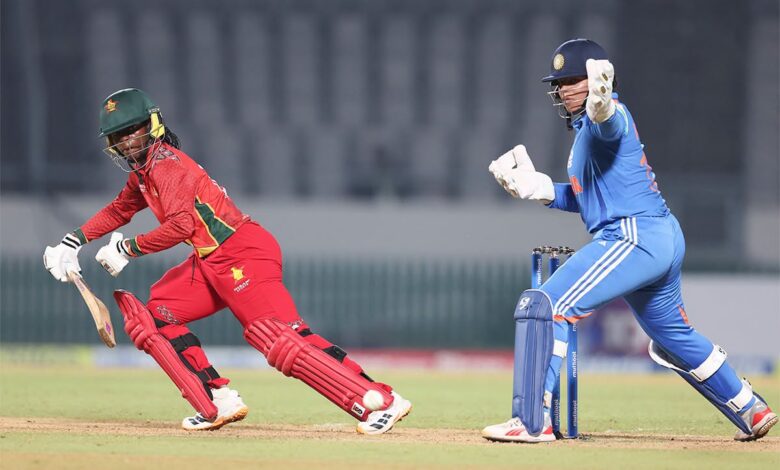
Zimbabwe Women suffered a 121-run defeat against India in the second Women’s One-Day International, leaving the Lady Chevrons trailing 2-0 in the series. The result handed India another victory and put the hosts in a strong position heading into the remaining match or matches of the contest. For Zimbabwe, the defeat highlighted the challenge of competing against an experienced Indian side with established strength in international women’s cricket. The Lady Chevrons will need to assess their performance, address areas of weakness and respond with greater consistency if they are to finish the series on a positive note. Despite the setback, the contest provides valuable experience for Zimbabwe’s players as they continue to develop their competitiveness at the international level.
India’s 121-run victory underlined the difference between the two teams on the day and strengthened their grip on the ODI series. A margin of that size can reflect several factors, including batting partnerships, the ability to build a competitive total and the effectiveness of the bowling attack when defending a target. For Zimbabwe Women, containing India’s scoring opportunities and maintaining pressure throughout the innings would have been important challenges. The result also demonstrated the need for the Lady Chevrons to sustain their performance across both innings rather than relying on isolated periods of good play. India, meanwhile, benefited from a performance that allowed them to secure a second consecutive victory and take a 2-0 lead.
The defeat leaves Zimbabwe facing pressure to improve their response in the remainder of the series. In one-day cricket, teams must balance careful batting with the need to score at a rate that keeps them in contention, particularly when chasing a substantial target. Batters need to build partnerships, rotate the strike and take advantage of scoring opportunities without losing wickets in quick succession. Bowlers also play a central role by limiting boundaries, maintaining disciplined lines and lengths and preventing opposing batters from settling into long partnerships. Fielding can prove equally important, as missed chances and unnecessary runs can increase the pressure on a team. For the Lady Chevrons, improving these areas will be essential as they seek to compete more effectively against India.
The series also offers Zimbabwe Women an opportunity to measure their progress against one of the established sides in international cricket. India have considerable experience in the women’s ODI format, while Zimbabwe continue to work towards greater consistency against stronger opposition. Such contests can expose weaknesses that may be less obvious against teams of a similar competitive level. They can also help players identify the technical and tactical improvements needed to perform under pressure. Reviewing batting decisions, bowling plans and fielding execution can provide useful lessons ahead of future international assignments. The challenge for Zimbabwe will be to turn those lessons into improved performances rather than allowing consecutive defeats to undermine their confidence.
For India, the 2-0 series lead reflects their ability to produce the results required to stay ahead in the contest. Winning consecutive ODIs gives a team confidence in its approach and provides an opportunity to test combinations and maintain momentum. Their 121-run victory in the second match further strengthened their position and increased the pressure on Zimbabwe to respond. A successful ODI performance generally depends on teamwork, with contributions from the batting order, bowlers and fielders combining to influence the final result. India’s latest win ensured that Zimbabwe would need a significant improvement to challenge their dominance in the series. The result has therefore placed India in a commanding position as the teams look towards the next stage of the contest.
For the Lady Chevrons, the priority will be to respond with determination and greater execution in their next outing. A stronger batting performance would help Zimbabwe build partnerships and remain competitive for longer, while disciplined bowling could restrict India’s ability to dictate the pace of an innings. The team will also need to maintain concentration in the field and make the most of opportunities when they arise. Individual performances can make a difference, but consistent contributions across the team are usually necessary to challenge a strong opponent. Zimbabwe’s players have an opportunity to use the experience gained from the first two matches to make practical adjustments. A more competitive performance would provide encouragement even as the team continues to face the demands of international cricket.
Zimbabwe Women’s 121-run defeat against India is a setback for the Lady Chevrons, who now trail 2-0 in the Women’s ODI series. India have established a strong advantage through consecutive victories, while Zimbabwe must focus on improving their batting, bowling and fielding if they are to change the course of the contest. The results underline the challenges Zimbabwe face against experienced international opposition, but they also offer important lessons for the team’s continued development. How the Lady Chevrons respond will depend on their ability to learn from the defeat, maintain confidence and perform with greater consistency. For Zimbabwean women’s cricket, the focus now remains on building experience, strengthening team performance and turning future opportunities into more competitive results.