Mai TT Expands Nollywood Connections as Patience Ozokwor Prepares for Zimbabwe Visit
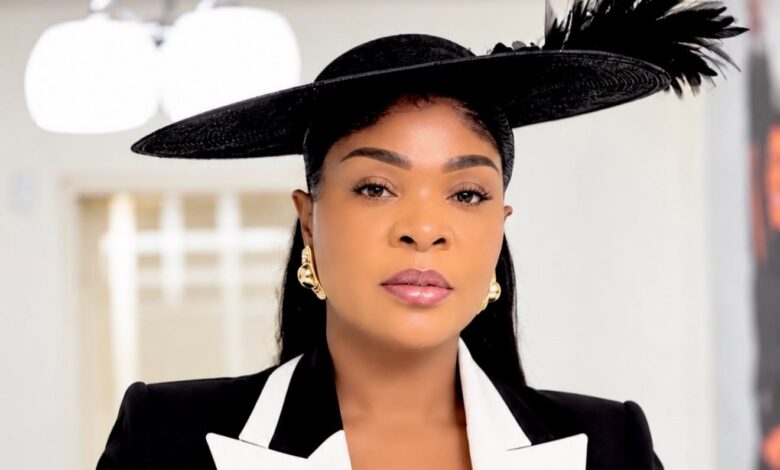
Zimbabwean comedian, actress and filmmaker Felistas “Mai TT” Murata is expanding her presence beyond the country’s entertainment industry through strategic partnerships and growing connections with Nigeria’s Nollywood film industry. Known for her strong local following, Murata has increasingly ventured into filmmaking, acting and scriptwriting, using her creative experiences to build relationships with established Nigerian entertainers. Her work on the film Lost in Ashes, which was inspired by her life story, marked an important step in strengthening those connections. One of the notable developments arising from these relationships is her involvement in the upcoming visit of veteran Nigerian actress and evangelist Patience Ozokwor to Zimbabwe. Ozokwor, popularly known as Mama G, is expected in Bulawayo on November 28 for the Bride of Christ Conference, an event that highlights the growing connections between Zimbabwean entertainment personalities and Nigerian religious and cultural figures.
Murata recently announced Ozokwor’s planned visit through a social media video that attracted widespread attention. The Nigerian star confirmed that she would be travelling to Zimbabwe for the event, encouraging people to attend and meet her in person. “On the 28th of November, she is coming to Zimbabwe, Bulawayo,” Murata said in the video. Ozokwor also confirmed her attendance, saying, “I am coming. Meet you there. You have to be there for me.” The announcement generated interest among Zimbabweans familiar with Ozokwor’s extensive career in Nigerian films, particularly her memorable performances in roles that often portray stern or intimidating characters. However, her upcoming visit will focus on her work as an evangelist rather than her career as an actress.
The Bride of Christ Conference is scheduled for November 28 in Bulawayo and is being organised by Virtuous Daughters of the Word. The event will provide an opportunity for Ozokwor to engage with Zimbabwean audiences in her capacity as an evangelist, reflecting a different aspect of her public life. Her popularity in Nollywood means that many people know her primarily through the characters she has portrayed on screen. Murata acknowledged this contrast during their social media exchange, noting that some Zimbabweans might feel intimidated by Ozokwor because of her frequent portrayal of villainous characters. “Most Zimbabweans are scared because you portray that evil woman in most films,” Murata said. Ozokwor responded by discussing her spiritual journey, which she indicated had deepened this year, offering audiences a glimpse into a side of her life that differs from her familiar screen persona.
Murata has clarified that she was not responsible for inviting Ozokwor to Zimbabwe, despite helping to share the announcement with local audiences. Speaking to the Zimpapers Arts and Entertainment Hub, she explained that her connection with the Nigerian actress developed through their work together on a film. “I am not the one behind her visit to Zimbabwe, but I was there acting in a movie that we worked on together with Patience Ozokwor,” Murata said. She added that she decided to share the video so Zimbabweans could hear the confirmation directly from Ozokwor herself. Murata identified Mrs Harrison as the person who extended the invitation and explained that she would attend the conference as a guest speaker, alongside other invited participants. Her clarification distinguishes her role in promoting the visit from the arrangements made by the event organisers.
Murata’s growing involvement in Nollywood reflects her efforts to build a career that extends beyond comedy and entertainment in Zimbabwe. Her collaboration with Ozokwor on Lost in Ashes provided an opportunity to work alongside an established figure in Nigerian cinema while exploring a personal story through film. The project was inspired by Murata’s life, connecting her public identity with a creative production intended to tell a story through the screen. For Murata, acting and filmmaking have opened additional opportunities to interact with professionals in a larger regional entertainment industry. Her experience also demonstrates how creative partnerships can help artists develop relationships that may lead to further projects and professional exchanges. Although the long-term impact of these connections remains to be seen, her involvement in Nollywood has already introduced her to a wider network of performers and filmmakers.
Through her work in Nigeria, Murata has connected with several prominent Nollywood personalities, including Mike Ezuruonye, Mike Godson, Chinyere Wilfred, Anita Joseph and Joy Patrik Ezeike. These relationships reflect the range of people she has encountered while pursuing opportunities in film production and acting. Nollywood is one of Africa’s most prominent film industries, with productions reaching audiences across the continent and beyond. For Zimbabwean creatives, engaging with Nigerian filmmakers can offer opportunities to learn different production methods, exchange ideas and participate in projects with wider regional appeal. Murata’s experience illustrates how artists can use collaborations to expand their professional networks while bringing their own experiences and perspectives into new creative environments. Her growing involvement in filmmaking also adds another dimension to a career that first established her name among Zimbabwean audiences through comedy.
The upcoming visit by Ozokwor further illustrates how relationships developed through entertainment can connect people across different professional and cultural fields. Although their association grew through filmmaking, the Zimbabwe visit will centre on Ozokwor’s evangelical work. This distinction is important because it highlights the different roles public figures can play beyond the careers for which audiences know them best. Ozokwor’s identity as Mama G remains closely associated with her memorable performances in Nigerian films, but her planned appearance in Bulawayo will provide an opportunity for audiences to engage with her spiritual message. Murata’s decision to share the announcement has helped bring the event to the attention of Zimbabweans who may already be familiar with the actress. The visit therefore creates a point of connection between Nollywood’s audience in Zimbabwe and a religious gathering organised by a local ministry.
Murata’s progress also comes as Zimbabwean filmmakers continue to seek recognition and opportunities beyond their domestic market. Her experience forms part of a wider picture of cross-border engagement involving artists who are developing projects, building partnerships and presenting Zimbabwean stories to international audiences. Such exchanges can help filmmakers gain experience while encouraging greater interaction between creative industries in different African countries. Nigeria’s established film sector provides a potential environment for Zimbabwean performers to learn from experienced professionals and explore collaborative productions. At the same time, Zimbabwean creatives bring their own cultural backgrounds and storytelling traditions into these partnerships. Murata’s work on Lost in Ashes and her connections with Nollywood personalities demonstrate how individual projects can create opportunities for continued professional engagement.
Another example of Zimbabwean filmmaking receiving attention in West Africa is Chinhoyi 7, a film about a significant event in the country’s liberation struggle. The production team behind the film received recognition at the Rivers International Film Festival in Rivers State, Nigeria, last year. Written and directed by Moses Matanda, produced by Tawanda Sarireni and militarily advised by retired Major Special Matarirano, the film recounts the events of April 28, 1966. It focuses on the battle involving seven Zimbabwe African National Liberation Army guerrillas and the forces of the Ian Smith regime, an encounter associated with the early stages of the Second Chimurenga. The film demonstrates how Zimbabwean history can provide material for productions intended to reach audiences beyond the country. Its recognition in Nigeria also highlights the potential for Zimbabwean stories to find an audience through regional film festivals and other international creative platforms.
The experiences of Murata and the team behind Chinhoyi 7 point to different ways Zimbabwean creatives can engage with audiences outside their home market. Murata has pursued acting, scriptwriting and filmmaking while building relationships with established Nigerian entertainers. The Chinhoyi 7 team, meanwhile, presented a historical story rooted in Zimbabwe’s liberation struggle and received recognition at a Nigerian film festival. These examples show how personal stories, historical events and cultural experiences can provide material for African filmmakers seeking broader exposure. They also underline the importance of professional networks, collaboration and opportunities to present creative work in other countries. Continued engagement between Zimbabwean and Nigerian artists could create more avenues for exchanging skills and developing productions that reflect the experiences of people across the continent.
Felistas “Mai TT” Murata’s growing Nollywood connections represent an important development in her career as a Zimbabwean entertainer and filmmaker. Her work on Lost in Ashes helped establish a professional link with Patience Ozokwor, while her wider network includes several well-known figures in Nigerian cinema. The upcoming Bride of Christ Conference in Bulawayo on November 28 will bring Ozokwor to Zimbabwe in her capacity as an evangelist, with Virtuous Daughters of the Word organising the event and Mrs Harrison responsible for the invitation. Murata’s role is to participate as a guest speaker and help bring attention to the visit, rather than organise it herself. As Zimbabwean creatives continue to pursue opportunities across Africa, her experience demonstrates how film collaborations can build connections that extend beyond the screen. Her journey also highlights the potential for regional partnerships to strengthen African storytelling and create new opportunities for artists working across national borders.