Bulawayo Art Exhibition to Challenge Zimbabweans to Rethink Culture, Identity and Colonial Influence
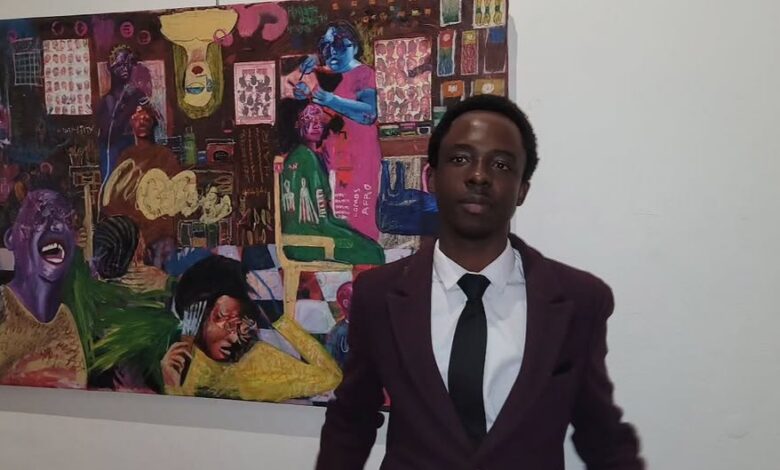
An art exhibition taking place in Bulawayo on August 15 is set to create a space for much more than the display of paintings and creative work. The once-off event will bring artists and members of the public together to examine Zimbabwe’s identity and consider how colonial history continues to influence culture, relationships and personal perceptions. Curated by Bulawayo visual artist Kevin Maponga, the exhibition will combine visual art with dialogue, community engagement and interactive activities. Artists from Zimbabwe and South Africa will participate in the programme, offering different perspectives on the country’s complex cultural experience. Through the event, organisers hope to encourage Zimbabweans to question inherited beliefs while considering how cultural traditions can remain meaningful in a changing society.
The exhibition is built around the idea of Zimbabwe’s hybrid culture, a reality shaped by the meeting of African traditions and Western influences introduced and reinforced during the colonial period. This cultural mixture can be seen in everyday life, including the names people use, marriage ceremonies, family structures, religious practices, clothing and ideas about relationships. The exhibition does not seek to suggest that Zimbabweans should reject modern life or return completely to the past. Instead, it asks people to examine how different influences have shaped their identities and whether those influences continue to serve their communities. By placing these questions within an artistic setting, the event aims to make difficult conversations more accessible and encourage audiences to consider their own experiences.
Maponga said the idea emerged from his concern that there are not enough platforms where Zimbabweans can openly discuss culture and the direction in which society is moving. His thinking was influenced by African intellectuals Frantz Fanon and Ngũgĩ wa Thiong’o, whose work examines colonialism, identity, culture and the effects of systems that continue beyond formal political independence. Planning for the exhibition began last year after Maponga developed the concept from the phrase “there is nothing new under the sun.” That idea encouraged him to consider how familiar cultural patterns continue to appear in modern Zimbabwean life, sometimes without people questioning where they originated. The exhibition therefore uses art as a starting point for a wider discussion about the beliefs and social practices that shape contemporary Zimbabwean identity.
One of the central questions raised by the exhibition concerns the coexistence of African traditions and Western cultural practices in modern Zimbabwe. Maponga points to examples such as Western first names being used alongside indigenous surnames, white weddings taking place alongside lobola negotiations and other combinations of cultural practices that have become normalised. These combinations reflect the complex reality of a society that has experienced generations of cultural change and adaptation. The exhibition encourages audiences to look at these realities more closely rather than accepting them simply because they have become familiar. It asks whether the cultural choices people make today genuinely reflect their values or whether some continue to carry ideas inherited from colonial systems.
The discussion will also extend to relationships, expressions of love, personal identity and the images people aspire to achieve. These subjects are closely connected to culture because social expectations often influence how people understand success, beauty, romance, family and personal worth. Maponga wants audiences to consider whether some of the ideals presented to them actually empower Zimbabweans or reinforce beliefs that originated outside their own cultural traditions. The exhibition therefore seeks to create space for people to examine both the visible and less obvious effects of cultural influence. By encouraging honest discussion, the event hopes to help audiences distinguish between traditions that strengthen communities and inherited beliefs that may contribute to division or insecurity.
The participating artists will bring a range of experiences to the exhibition, strengthening its focus on different perspectives. The programme will feature Enos Chivenge from Harare, South African artist Retsepile Nare, professionally known as Amehlo, as well as Bulawayo-based artists Kudzaishe Tafari Muyambiri, known as Tafari, and Maponga himself. Bringing artists from different locations and backgrounds together allows the exhibition to move beyond a single interpretation of Zimbabwean identity. Each artist can contribute personal experiences and observations shaped by their environment, generation and creative practice. Maponga believes this diversity will enrich the discussion and help audiences understand that questions about culture and identity rarely have simple answers.
The exhibition is being staged in collaboration with Nirväna, an organisation co-founded by Nate, who also co-founded clothing brand YET Galore, and Michaella De Necker, the People’s Choice winner at FOB 2025, founder of Run for Roses and brand ambassador for Intaba Estates. Maponga decided to work with Nirväna after attending one of its events in June and seeing the organisation’s approach to creating engaging experiences. The collaboration has played an important role in bringing the exhibition together and has involved practical support across several areas. Nirväna has assisted with logistics, decoration, audience development and ticket sales while also helping shape the atmosphere of the event. Stolen Pieces has also been acknowledged for providing a physical ticket outlet, giving members of the community another way to access tickets.
The panel discussion will form the central part of the programme because it will give artists and members of the public an opportunity to exchange ideas directly. Rather than limiting the exhibition to a traditional viewing experience, organisers want audiences to participate in the intellectual discussion surrounding the artworks. The panel will create a space where people can share different opinions about culture, identity and the social influences that shape Zimbabwean life. This approach is intended to encourage respectful conversation even when participants hold different views about tradition, modernity and colonial influence. The discussion will be followed by a paint night designed to create a more relaxed environment where participants can make their own artwork while spending time with the artists.
Maponga describes the panel discussion as the backbone of the event because it provides the space for artists and audiences to express their thoughts openly. The paint night will then offer a more interactive experience where participants can create something of their own and take it home as a reminder of their involvement. This combination of serious discussion and creative participation is designed to make the exhibition accessible to people with different interests and levels of experience with art. Participants do not need to be professional artists to take part in the paint night, as its purpose is also to encourage connection and self-expression. For Maponga, the activity carries a broader message that every person has value and an important role to play within their community.
Collaboration is another important theme behind the exhibition, particularly at a time when Zimbabwe’s creative sector continues to look for sustainable ways to support artists. Maponga believes working with other creatives and organisations can help emerging artists gain exposure while expanding audiences and creating opportunities for professional development. Collaborative projects can also allow artists to learn from one another and build relationships that may lead to future exhibitions, commissions and other creative opportunities. The involvement of artists from different cities and countries demonstrates how partnerships can broaden the reach of an individual project. For the Bulawayo creative community, such events can also reinforce the city’s position as a place where serious conversations and artistic experimentation can take place.
The exhibition reflects Maponga’s own development as an artist and curator. He previously participated in the National Gallery of Zimbabwe’s Mirrors and Windows exhibition and later held his first solo exhibition, Beauty in Brokenness, at Alliance Française de Bulawayo in July last year. That solo exhibition attracted more than 120 people, giving him valuable experience and demonstrating that there is an audience in Bulawayo interested in art that engages with meaningful subjects. Those experiences helped build his confidence and encouraged him to take on the challenge of organising a larger event that brings multiple artists and disciplines together. His latest project therefore represents another step in an artistic journey that has increasingly moved towards creating platforms for wider community engagement.
Maponga’s ambitions extend beyond the August 15 exhibition because he wants the project to influence how creatives think about the purpose of events. He believes creative projects should contribute to intellectual and emotional development rather than focusing only on ticket sales and financial returns. This approach challenges artists, organisers and audiences to consider what they gain from cultural events beyond entertainment. It also encourages the creative sector to produce projects that respond to social questions and create opportunities for people to reflect on their experiences. If the exhibition succeeds in generating meaningful conversations, its impact could continue beyond the event itself through the ideas and questions that audiences take into their communities.
At its core, the Bulawayo exhibition is an invitation to examine what it means to be Zimbabwean in a society shaped by both indigenous traditions and external cultural influences. It does not present a simple answer to the question of how Zimbabweans should navigate their hybrid culture. Instead, it creates a platform where artists and audiences can question assumptions, share experiences and consider which beliefs should be preserved, challenged or changed. The involvement of artists from Zimbabwe and South Africa, combined with the panel discussion and paint night, gives the event a strong community focus. As Bulawayo prepares for the August 15 exhibition, the project offers an opportunity to show that art can create space for serious conversations about identity, culture and the future of Zimbabwe. Its success will ultimately be measured not only by the artworks displayed or the number of people who attend, but also by whether those conversations encourage audiences to think differently about themselves, their communities and the cultural influences that continue to shape their lives.