Alick Macheso Responds to Sungura Snub at 24th National Arts Merit Awards
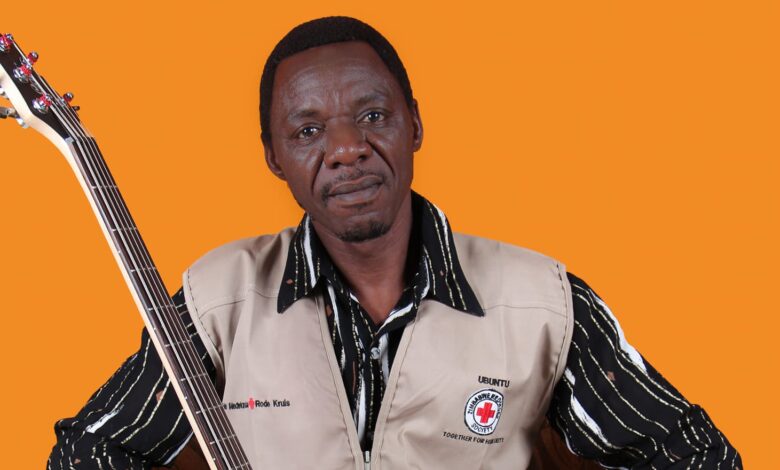
Superstar Alick Macheso’s camp has finally addressed the controversy surrounding the exclusion of sungura from the 24th National Arts Merit Awards (NAMAs). The decision sparked widespread debate across Zimbabwe’s music industry, as sungura has long been celebrated as one of the country’s most authentic and popular musical genres. Fans and artists alike questioned how a style that consistently fills venues could be overlooked for the nation’s premier awards show. The debate intensified after social media star Ritz received nearly four times the votes of Jah Prayzah in the People’s Choice category, which was ultimately won by Winky D, raising further questions about the awards’ voting and selection process. Macheso’s representatives have now voiced concerns about the snub while emphasizing the enduring significance of sungura.
Speaking through his publicist, Tichaona Makahamadze, Macheso’s camp stressed that the exclusion does not diminish the genre’s cultural importance. Makahamadze highlighted that sungura is intrinsically Zimbabwean music, deserving of respect and recognition regardless of its absence from formal award ceremonies. He encouraged artists and fans to continue supporting the genre, noting that public discussion alone reflects its lasting impact. The camp framed the controversy not as a loss but as a reminder of sungura’s relevance in shaping Zimbabwe’s musical landscape. This response reinforces Macheso’s position as a defender of the genre and a voice for its continued prominence.
Macheso’s own performances have reflected this commitment. Last Friday at Warren Park Council Bar in Harare, he delivered a high-energy show despite freezing weather, drawing a packed crowd that demonstrated the loyalty of sungura fans. The audience sang along to hit after hit, and Macheso appeared visibly moved by their dedication. For decades, he has been a dominant figure in Zimbabwean music, renowned for his skillful bass guitar, stage presence, and timeless tracks that have defined the genre. At 57, he now carries the responsibility of upholding the legacy of sungura, especially following the passing of music legends like Oliver Mtukudzi and Nicholas Zakaria.
Beyond performance, Macheso has taken on a mentorship role, guiding younger artists and advocating for the preservation of sungura. Industry insiders note that he increasingly engages with emerging talent to ensure the genre evolves without losing its identity. The NAMAs snub has intensified concerns that sungura could be sidelined, yet Macheso maintains that the genre’s survival depends on the dedication of artists and the unwavering support of fans rather than awards recognition. His Warren Park concert exemplified this principle, showing that while formal institutions may overlook sungura, its audience remains deeply invested.
The broader implication for Zimbabwean music is clear: sungura continues to thrive as long as its community remains committed. Macheso believes younger artists must embrace the genre and innovate while honoring its roots to secure its future in a digital and rapidly evolving music scene. The public’s response at his recent concert suggests that sungura’s appeal is far from waning. Even if award organizers choose to ignore it, the genre’s vitality endures through performances, fan engagement, and the ongoing efforts of its leading figures. Macheso’s defiance and connection with audiences indicate that sungura will remain a cornerstone of Zimbabwean music for years to come.