Edith WeUtonga Takes Zimbabwean Music to Major UK Folk Festivals
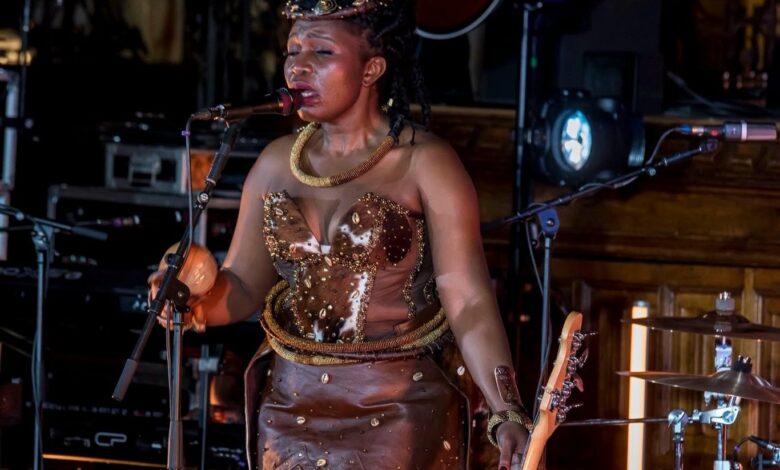
UK-based Zimbabwean musician Edith WeUtonga is entering an important new chapter in her international career as she brings the richness of Zimbabwean music to two of Britain’s leading folk festivals. The award-winning bassist, vocalist and songwriter is using the international festival circuit not only as a platform for performance, but also as an opportunity to educate audiences about Zimbabwe’s diverse musical traditions. WeUtonga is performing at Broadstairs Folk Week before making her highly anticipated debut at the Shrewsbury Folk Festival, which takes place from August 28 to 31 at the West Mid Showground. Her participation places Zimbabwean music within a wider global folk music conversation and gives international audiences an opportunity to experience its distinctive rhythms, voices and storytelling traditions. For WeUtonga, the performances represent another significant step in her long-standing mission to celebrate Zimbabwean identity through music.
One of the most distinctive aspects of WeUtonga’s festival appearances is her commitment to cultural education. During Broadstairs Folk Week, she recently facilitated the “Rhythms of Zimbabwe with Edith WeUtonga Band Workshop”, an interactive session designed to introduce participants to the musical traditions of Zimbabwe. The workshop explored polyphonic singing, interlocking rhythms and call-and-response techniques, giving participants a practical understanding of musical forms that have been passed down through generations. Traditional songs also formed part of the session, allowing participants to engage directly with Zimbabwe’s musical heritage rather than simply experiencing it from an audience. By combining performance with education, WeUtonga is creating a deeper connection between international audiences and the cultural traditions that shape her artistic identity.
Her appearance at Broadstairs Folk Week also comes at an important point in her career following the success of her critically acclaimed album Varipasi. The project earned a nomination for Folk Album of the Year at the inaugural Folk Music Awards in 2025, placing WeUtonga among a group of recognised folk musicians from around the world. The nomination provided further international recognition for an artist whose work has consistently drawn from Zimbabwean musical traditions while embracing broader influences. It also demonstrates the growing interest in music that connects cultural heritage with contemporary songwriting and performance. For WeUtonga, the recognition adds momentum to her international work and strengthens her position as an important voice in contemporary Zimbabwean folk music.
WeUtonga’s Broadstairs appearance is being supported by British-Indian singer-songwriter Ajay Srivastav, an artist who has developed a distinctive identity within the United Kingdom’s roots music scene. Srivastav combines elements of Delta Blues and Indian folk music with reflective, spiritual and meditative songwriting. His music draws from his experiences as a British-born artist of Indian heritage while addressing themes of identity, social change, resilience and hope. Although his musical background differs from WeUtonga’s Zimbabwean influences, the two artists share a strong interest in heritage, storytelling and cultural expression. Their appearance together creates an opportunity for audiences to experience how different cultural traditions can meet through folk and roots music.
WeUtonga has described her participation at Broadstairs as both an honour and an important professional opportunity. She noted that she is among 28 artists scheduled to perform at the festival and said she is pleased to return for her second appearance. This year carries additional significance because festival organisers invited her to present a workshop focused on Zimbabwean polyphonic rhythms. The opportunity allows her to demonstrate that Zimbabwean music has complex structures and traditions that deserve recognition within international folk music spaces. Coming after her Folk Album of the Year nomination, the festival appearance also reflects the growing international attention surrounding her work.
The collaboration with Srivastav has generated further interest because of the cultural similarities that exist beneath their different musical backgrounds. WeUtonga explained that the pairing was made by the festival organisers, but she sees strong artistic potential in the collaboration. She first encountered Srivastav’s work through Karmic Blues and was immediately drawn to the depth of his music. Their eventual meeting confirmed a sense of shared purpose, particularly around heritage, storytelling and lived experience. The partnership therefore has the potential to offer audiences a performance that connects Zimbabwean and Indian cultural perspectives through contemporary roots music.
For WeUtonga, performing alongside Srivastav is about more than simply sharing a festival programme. She has described his work as carrying a strong sense of spirit and intention, qualities that she believes align with her own approach to music. Both musicians use personal and cultural experiences as foundations for their artistic expression, creating songs that can communicate across geographical and cultural boundaries. Their different backgrounds also provide an opportunity to demonstrate how folk music can bring together traditions that developed in very different parts of the world. This shared focus on identity and storytelling could make their appearance one of the memorable cultural moments of the festival.
Srivastav has established himself as a distinctive figure in the United Kingdom’s roots music community through a sound that reflects both his Indian heritage and his British upbringing. His songs combine musical traditions with social commentary and messages centred on hope, resilience and change. This approach has helped his work reach listeners across cultural and generational boundaries. His partnership with WeUtonga adds another layer to that cross-cultural dialogue by bringing Zimbabwean musical traditions into the same artistic space. Their connection shows how international folk festivals can provide a platform for artists to explore cultural similarities without losing the identity that makes their music distinctive.
WeUtonga’s performances in August also reflect the steady development of a career that has been built around musical innovation and cultural advocacy. Since forming Utonga in the early 2010s, she has developed a reputation as one of Zimbabwe’s notable contemporary folk musicians. Her debut 10-track album, Utonga, was released in the same period and helped establish her as an artist capable of blending traditional sounds with modern influences. Her music draws from Jiti, Chimurenga and Shona folk traditions while incorporating elements of rhumba, reggae, calypso and jazz. This combination has allowed her to maintain a strong Zimbabwean identity while creating music that can connect with audiences beyond the country’s borders.
Her career in Zimbabwe has included appearances at some of the country’s most important arts and cultural events. WeUtonga has performed at Intwasa Festival koBulawayo, Women in Jazz, Harvest Festival and the Harare International Festival of the Arts. These platforms have helped her build a reputation for powerful live performances and authentic musical expression. Her work has also demonstrated the versatility of Zimbabwean folk music and its ability to evolve without losing its cultural foundations. Through these performances, she has continued to position Zimbabwean music as an important part of the wider African and international arts landscape.
Her contribution to Zimbabwean music has received recognition through several award nominations and honours. WeUtonga has been nominated for Best Female Musician at both the National Arts Merit Awards and the Zimbabwe Music Awards. In 2018, she won the Best Alternative Act award at the Bulawayo Arts Awards, providing further recognition of her willingness to explore music beyond conventional genre boundaries. These achievements form part of a career that has consistently combined artistic development with a strong commitment to cultural representation. Her continued presence on international stages shows that the recognition she has earned in Zimbabwe is now translating into broader opportunities abroad.
The upcoming Shrewsbury Folk Festival appearance will add another important milestone to WeUtonga’s growing international profile. The festival, scheduled for August 28 to 31 at the West Mid Showground, will give her another major platform to introduce audiences to Zimbabwean musical traditions. Her debut at the festival follows the educational and performance work she is undertaking at Broadstairs Folk Week. Together, the two appearances provide an opportunity to present Zimbabwean music in different ways, from live performance and songwriting to direct cultural education. This approach allows WeUtonga to engage audiences not only with her own music but also with the traditions that have influenced her artistic journey.
Edith WeUtonga’s UK festival appearances ultimately represent more than a series of performances. They show how an artist can use international stages to preserve, explain and celebrate cultural heritage while continuing to develop a contemporary sound. Her work demonstrates the depth of Zimbabwean musical traditions through polyphonic singing, interlocking rhythms, call-and-response structures and songs rooted in generations of cultural knowledge. Her award recognition, international performances and growing collaborations further underline the reach of her artistic vision. As she takes the stage at Broadstairs Folk Week and prepares for her Shrewsbury Folk Festival debut, WeUtonga continues to create meaningful opportunities for global audiences to discover the beauty, complexity and enduring relevance of Zimbabwean music.