Thomas “Mukanya” Mapfumo Accepts Wicknell Chivayo’s US$1 Million Performance Deal
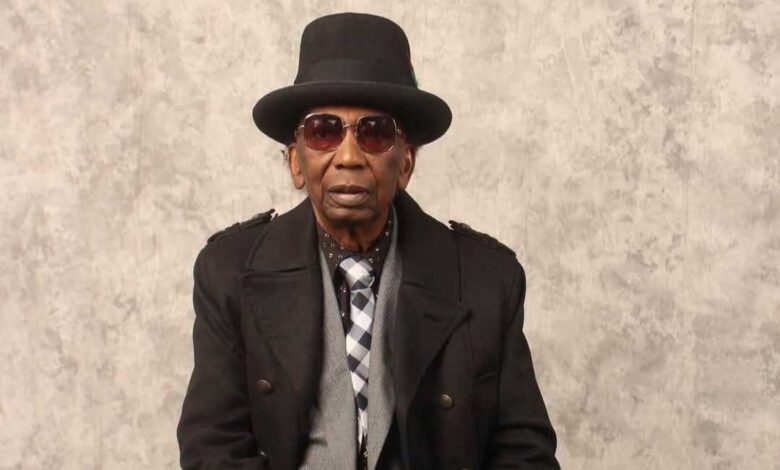
Zimbabwean Chimurenga music legend Thomas “Mukanya” Mapfumo has accepted businessman Wicknell Chivayo’s reported US$1 million offer, bringing an end to days of intense public debate and speculation. The announcement has quickly become one of the most talked about entertainment stories in Zimbabwe, largely because of Mapfumo’s previous public rejection of financial assistance from Chivayo. His latest decision represents a significant shift in circumstances, but the veteran musician has made it clear that the agreement is based strictly on professional commitments. By accepting the offer, Mapfumo has emphasized that the arrangement is about paid performances rather than personal financial support. His explanation has added a new dimension to an issue that has generated widespread discussion across social media and the entertainment industry.
Speaking about the agreement, Mapfumo stressed that his decision should not be interpreted as a change in his personal principles. He explained that the deal is purely work related and should be viewed as a professional engagement between an artist and a client. According to Mapfumo, there is an important distinction between accepting payment for performances and accepting financial assistance or donations. His brief but direct statement, “This is work, not what you think, it’s work,” sought to clarify his position and address the speculation that had dominated public conversations. The comment reflects his effort to separate business opportunities from the controversy surrounding previous interactions with Chivayo.
Under the reported agreement, Mapfumo will receive US$500,000 for performing at Wicknell Chivayo’s birthday celebrations. He is also expected to receive another US$500,000 for performing at musician Jah Prayzah’s wedding, bringing the total value of the performances to a reported US$1 million. If completed as announced, the arrangement will rank among the most lucrative performance deals involving a Zimbabwean musician. The scale of the agreement has attracted considerable attention because it highlights the growing commercial value of high profile entertainment events in the country. It also demonstrates the enduring appeal of Mapfumo, whose music continues to command respect and demand decades after he first rose to prominence.
The news sparked widespread debate on social media, where Zimbabweans expressed sharply divided opinions. Some supporters argued that there was nothing wrong with accepting payment for professional performances, especially considering Mapfumo’s long and influential career in music. Others questioned whether accepting the deal was consistent with the position he had taken in previous years regarding Chivayo and the source of his wealth. The discussions reflected broader conversations about personal values, business relationships and the difference between commercial contracts and charitable assistance. Many observers acknowledged that professional artists earn their living through performances and should be compensated accordingly.
The public conversation intensified after a widely shared video featured Kurai Makore, who is reported to be Mapfumo’s niece, encouraging the legendary musician to accept the offer. In the video, she argued that people criticizing the deal had not stepped forward to support Mapfumo when he needed assistance in the past. She suggested that the veteran musician should ignore public criticism and focus on the opportunity presented to him. Her remarks resonated with many people who believed that artists should not be judged for accepting legitimate work opportunities. At the same time, others continued to debate whether the decision aligned with Mapfumo’s previously stated principles.
Mapfumo’s acceptance marks a notable change from his stance in 2024, when he rejected Chivayo’s offer of US$300,000 in cash and a luxury vehicle valued at approximately US$200,000. That offer came after Mapfumo’s home was destroyed by fire, prompting several individuals to offer assistance. At the time, the Chimurenga icon firmly declined Chivayo’s contribution, stating that he had never requested financial help from the businessman. He also expressed concerns about the source of the money and made it clear that he did not wish to accept it. His decision received significant public attention because of his reputation for speaking openly about issues affecting Zimbabwean society.
During his 2024 response, Mapfumo stated that he did not accept what he described as “dirty money” and explained that he had the financial means and family support necessary to rebuild his home. He acknowledged assistance from another supporter, Mr. Guma, whom he described as someone who genuinely cared for him and had independently offered help. Mapfumo also emphasized that he had never asked anyone for financial assistance and believed people were free to make their own choices regarding Chivayo’s offers. Those comments became widely quoted and formed the basis for many of the questions raised after news of the latest agreement emerged. The contrast between the two situations fueled much of the public interest surrounding his latest decision.
The veteran musician’s explanation suggests that he views the two situations very differently. In his view, declining unsolicited financial assistance and accepting payment for contracted performances are separate matters that should not be confused. Artists around the world routinely perform at private events, weddings and corporate functions as part of their professional careers. From this perspective, Mapfumo’s acceptance of the performance agreement represents a commercial transaction rather than a personal endorsement or acceptance of financial aid. His comments indicate that this distinction played a central role in his decision to move forward with the reported agreement.
Thomas “Mukanya” Mapfumo remains one of Zimbabwe’s most influential musicians, with a career spanning several decades and a legacy that has shaped Chimurenga music both locally and internationally. His songs have long addressed social, political and cultural issues, earning him widespread recognition as both an artist and a cultural icon. The reported US$1 million performance agreement has once again placed him at the center of national conversation, demonstrating the continued relevance of his career and public influence. While opinions remain divided, Mapfumo has maintained that his decision is rooted in professionalism and the value of his work as a performer. As preparations begin for the scheduled performances, the agreement is likely to remain a significant topic within Zimbabwe’s entertainment industry and a reminder of the ongoing relationship between music, business and public perception.