Winky D’s “Chivanhu” Sparks National Conversation on Culture, Identity and Social Values in Zimbabwe
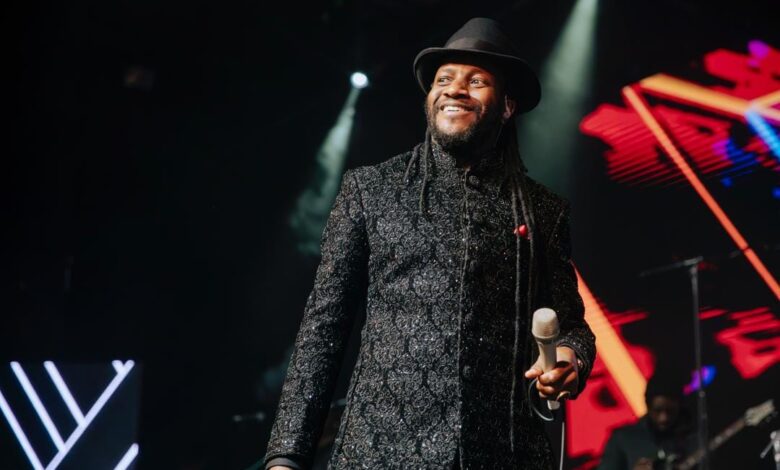
Zimbabwean music icon Winky D has once again positioned himself at the centre of national dialogue following the release of his latest track, “Chivanhu”. The song has quickly gained widespread attention across Zimbabwe and beyond, drawing strong reactions from journalists, politicians, fellow musicians and the public. Many listeners say the track goes beyond entertainment and instead pushes a deeper reflection on identity, morality and the direction of modern Zimbabwean society. It has sparked conversations about culture, tradition and how communities define themselves in a changing world. As the debate grows, “Chivanhu” is being recognised as one of Winky D’s most thought-provoking releases in recent years.
The track has been widely praised for its bold exploration of cultural identity and self-awareness. Prominent journalist Hopewell Chin’ono commended Winky D for addressing issues that challenge audiences to think critically about their roots and heritage. He argued that the song raises important questions about how African societies have gradually moved away from traditional values in favour of foreign cultural and religious influences introduced during colonialism. According to Chin’ono, societies function better when they understand and embrace their own identity and value systems. He further noted that Winky D has evolved into an artist who does not simply entertain but actively shapes public conversations through his music.
Chin’ono also emphasised the difference between entertainers and cultural influencers, suggesting that Winky D now belongs to the latter category. He described meaningful artists as individuals who challenge society, provoke reflection and leave a lasting impact on national consciousness. In his view, “Chivanhu” contributes to a growing body of work that encourages Zimbabweans to rethink their cultural direction. He praised the artist and his team for producing a song that stimulates discussion and encourages introspection across different sectors of society. His comments added weight to the ongoing debate about the role of music in shaping national identity.
Political voices have also entered the conversation, with opposition legislator Blessing Makumire offering a critical interpretation of the song’s message. He linked the themes of “Chivanhu” to governance, corruption and social responsibility in Zimbabwe. Makumire raised concerns about whether current conditions in the country reflect traditional values associated with Ubuntu, which emphasises community care, honesty and respect for human life. He questioned how society can claim to uphold cultural values when public institutions struggle to provide basic services such as healthcare and infrastructure. His interpretation positioned the song as both a cultural reflection and a commentary on governance challenges.
Makumire further highlighted the contrast between traditional values and modern realities, pointing to issues such as under-resourced hospitals, struggling communities and corruption in public systems. He asked whether it aligns with “chivanhu” when public officials accumulate wealth while citizens face hardship and limited access to essential services. His comments reflected broader frustrations within society about inequality and accountability. By linking the song’s message to real-life conditions, he reinforced its relevance beyond music and entertainment. His interpretation added a political dimension to the ongoing public discussion.
Fellow musician Mudiwa Hood also publicly praised Winky D for addressing cultural and moral issues through his music. He encouraged Zimbabweans to reflect on their traditions and consider how modern influences are shaping identity. Hood expressed concern about the adoption of foreign cultural elements that he believes conflict with local values. He urged a return to cultural awareness and preservation, suggesting that songs like “Chivanhu” play an important role in guiding such conversations. His response showed that the track has resonated strongly within the local music industry as well.
On social media, particularly on X, users have widely engaged with the song, offering interpretations that range from cultural pride to social critique. Many users described Winky D as more than a musician, calling him a cultural custodian who reflects the realities of everyday life in Zimbabwe. Others praised his ability to connect emotional storytelling with social awareness, particularly in ways that resonate with younger audiences. The song has generated active debate about identity, values and national direction. It has also strengthened Winky D’s reputation as one of the most influential voices in Zimbabwean music.
The release of “Chivanhu” has once again demonstrated Winky D’s consistent focus on socially conscious themes throughout his career. He has long been recognised for using music as a platform to address issues affecting ordinary citizens, including inequality, governance and cultural identity. His ability to blend storytelling with social commentary has earned him a loyal following across different generations. The latest track continues that tradition by challenging listeners to reflect on both personal and collective values. It reinforces his position as an artist who engages deeply with the realities of society.
As discussions around the song continue to grow, “Chivanhu” stands out as a cultural moment that extends beyond music charts and entertainment spaces. It has become a reference point for conversations about identity, heritage and the responsibilities of leadership in Zimbabwe. The reactions from journalists, politicians, fellow artists and the public highlight its wide-reaching impact. Winky D has once again demonstrated his ability to spark national reflection through creative expression. The song’s influence suggests that music remains a powerful tool for shaping dialogue and encouraging societies to examine who they are and where they are headed.