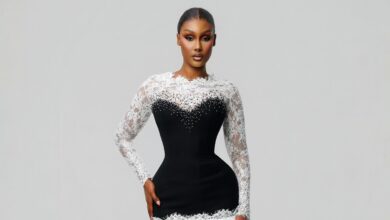
Xantel: Bulawayo’s Rising Voice Blending Ndebele Rhythms With Soul, Jazz and Afro-Pop

Bulawayo has a long history of producing artists who go on to leave a lasting mark on Zimbabwean music and the wider arts scene. The City of Kings has nurtured musicians whose work has become part of the country’s cultural identity, creating a standard that younger artists continue to chase. Among the emerging voices seeking to build her own place in that tradition is Xantel, born Chantel Gugulethu. With a sound shaped by Afro-pop, soul, R&B, jazz and unmistakable Ndebele rhythms, she is developing an artistic identity that draws from home while reaching toward a wider audience. For Xantel, music is not simply about entertainment, as it is closely connected to faith, resilience, culture and personal transformation.
Xantel describes her name as a reflection of the person she has become. She was born Chantel Gugulethu, but says Xantel represents her rebirth, purpose and power. She describes the identity as embodying boldness, femininity and an unstoppable spirit while still allowing room for softness and spirituality. In her view, Xantel is the woman she needed to become to carry the music she believes God gave her. That transformation has become central to how she understands both her personal journey and her career as an artist.
For Xantel, stepping into that identity required her to stop apologising for who she was and what she had to say. She says she knew she was ready for the world when she realised that her story, pain, culture and voice were not too much. Instead, she came to see those parts of herself as exactly what she could offer through her music. That change in perspective allowed Gugulethu to give Xantel the space to emerge as an artist with a stronger sense of purpose. Her journey reflects the importance of confidence for young musicians trying to establish themselves in a competitive industry.
Her musical foundation is deeply connected to Bulawayo and the artists who influenced her while growing up. She identifies Lovemore Majaivana and Oliver Mtukudzi among the musicians who shaped her understanding of music, alongside other legends from Zimbabwe and beyond. Their influence represents more than a list of musical inspirations, as they provide a connection to a rich artistic heritage. Bulawayo gave her the rhythm, while the legends gave her a standard to aspire to. Xantel is now taking those influences and using them to create a sound that reflects her own generation and experiences.
Her music refuses to sit comfortably inside one genre. Xantel draws from Afro-pop, soul, R&B and jazz while incorporating Ndebele rhythms that keep her work connected to her cultural roots. She describes her sound as something that should leave listeners healed, encouraged and wanting more. Her approach allows traditional influences and contemporary styles to exist together without one overpowering the other. She remains rooted in her culture while using soul and jazz as musical languages through which she hopes audiences around the world can connect with her message.
That balance between cultural identity and international appeal is an important part of Xantel’s artistic vision. She does not want to abandon the musical characteristics that connect her to Bulawayo and Ndebele culture in order to reach listeners outside Zimbabwe. Instead, she sees those elements as part of what makes her music distinctive. Her description of the sound as traditional in spirit but global in feeling captures the direction she is taking. It also gives her an opportunity to introduce aspects of Zimbabwean musical expression to listeners who may not have encountered them before.
Her first release, Icebo, emerged from a period of vulnerability and personal difficulty. The song focuses on hope and was influenced by experiences involving close friends who were going through difficult situations. Xantel said she witnessed people close to her facing serious challenges while she was also dealing with her own problems. She found herself unable to offer the kind of assistance she might have wanted to provide because she was struggling with her own circumstances. That emotional reality became part of the foundation for Icebo, turning personal vulnerability into a musical expression of hope.
For Xantel, hope is not simply an optimistic idea but something that requires action and persistence. She describes hope as believing in herself even when other people do not believe in her. It also means continuing to work toward her goals despite criticism, discouragement and uncertainty about whether she will succeed. Her understanding of hope extends to the practical challenges of building a music career, including the financial demands involved in releasing music. Even when resources are limited and there is no guarantee of a return, she says she continues investing in her music because she believes in the goal she is pursuing.
Her comments also reveal the difficulties she faces as a young woman trying to establish herself in what she describes as a male-dominated music industry. Building a career requires more than recording songs, as artists must continue creating, promoting their work and finding opportunities to perform and connect with audiences. For an emerging musician without a guarantee of commercial success, those demands can create significant pressure. Xantel says hope allows her to remain strong and keep her head held high despite those challenges. Her approach to her career is therefore closely tied to the same themes of perseverance that appear in her music.
If Icebo represented a vulnerable heart searching for hope, Xantel sees Akekho as an expression of a stronger and more confident spirit. The title means “There is no one” and the song is built around resilience and faith. Its soulful groove is combined with a driving 3-step rhythm and log drum pulse, creating a contemporary foundation for its message. At the centre of the song is a declaration that when God opens a door for someone, other people’s opinions cannot close it. For Xantel, the track is not merely a song about faith but a reflection of experiences that have shaped her journey.
Xantel describes Akekho as a representation of the period when she felt that circumstances were working against her. She recalls experiencing moments when it seemed as though opportunities were disappearing and doors were closing from every direction. Yet she says unexpected opportunities continued to emerge, which strengthened her belief that her path was not determined by rejection or discouragement. The song grew from that realisation and became what she calls her testimony. Its message is rooted in the belief that rejection, jealousy and negative opinions cannot cancel a person’s destiny when they remain committed to their purpose.
The progression from Icebo to Akekho also shows an important development in Xantel’s artistic story. Icebo emerged from vulnerability and focused on finding hope during difficult circumstances. Akekho builds on that foundation by expressing resilience, confidence and faith in a stronger and more declarative way. Together, the songs reveal an artist who is using music to document different stages of her personal journey. They also demonstrate how her experiences can influence both the emotional direction and musical character of her work.
Xantel’s rise adds another chapter to Bulawayo’s continuing contribution to Zimbabwean arts and music. She is not attempting to simply recreate the work of the artists who came before her, even though their influence remains clear in her approach. Instead, she is taking the cultural foundation she inherited and combining it with contemporary Afro-pop, soul, R&B and jazz influences. Her Ndebele rhythms give the music a distinct connection to her origins, while her themes of hope, faith and resilience give listeners a personal point of entry. This combination could help her develop a recognisable identity as she continues to release music and build her audience.
At the centre of Xantel’s journey is a determination to remain authentic while pursuing growth. She has embraced a new artistic identity, drawn inspiration from some of Zimbabwe’s respected musical figures and developed a sound that connects her cultural roots with contemporary styles. Icebo introduced listeners to her message of hope, while Akekho reflects a stronger declaration of faith and resilience. Her story is also shaped by the realities of being a young woman building a career in a challenging music industry where success requires persistence and continued investment. As Xantel continues to develop, her combination of Ndebele influence, soulful songwriting and spiritual themes gives her a clear foundation from which to pursue her place among Bulawayo’s next generation of artists.