Kelly Ndlovu’s The Stones Remember: Preserving African Heritage Through Fashion
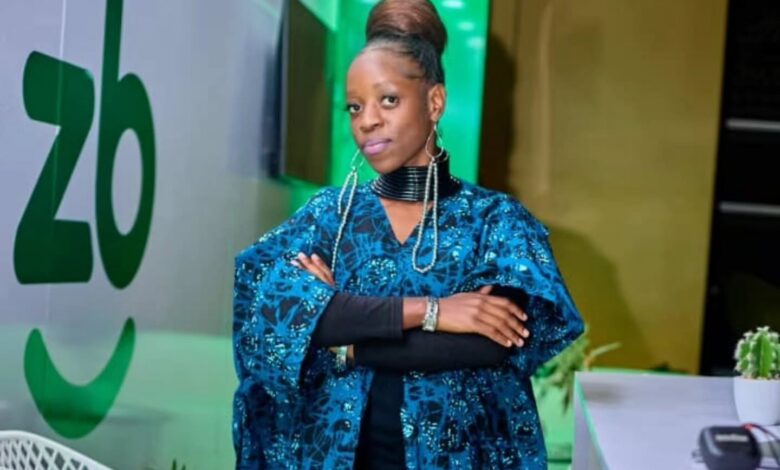
In a world dominated by fast fashion and ever-changing trends, Zimbabwean fashion designer Kelly Ndlovu is redefining the meaning of clothing by using design to preserve African history, celebrate cultural identity and tell stories passed down through generations. Through her fashion label, The Stones Remember (TSR), Ndlovu is showing that garments can carry memories, communicate heritage and connect modern society with the wisdom of its ancestors. Formerly known as Bantu Clothing Pvt Ltd, the brand has entered a new chapter with a name that reflects its growing focus on cultural storytelling, thoughtful craftsmanship and meaningful design. Rather than treating clothing as a temporary fashion statement, Ndlovu views each creation as an opportunity to preserve knowledge and express the richness of African identity. Her work places Zimbabwean fashion within a broader conversation about sustainability, cultural preservation and the importance of African designers telling their own stories.
The transition from Bantu Clothing to The Stones Remember represents more than a change of name. It signals a clearer commitment to slow fashion, where careful design, considered production and cultural meaning take priority over the constant demand for new trends. Ndlovu believes that fashion should respect the people, traditions and experiences that inspire it. This philosophy encourages customers to look beyond the appearance of a garment and consider the history and craftsmanship behind it. By combining traditional influences with contemporary silhouettes, TSR seeks to create clothing that feels relevant today while remaining connected to the past. The brand’s approach offers an alternative to disposable fashion by placing greater value on meaning, quality and the stories that garments can carry.
For Ndlovu, the guiding principle behind The Stones Remember is the belief that progress should not require people to abandon their cultural roots. She explains that people can move confidently into the future while carrying the wisdom of those who came before them. This idea shapes the way the designer approaches materials, patterns, silhouettes and the details that give each collection its identity. Slow fashion, in her view, involves making thoughtful choices and ensuring that the care invested in a garment matches the story it represents. This means that design becomes both a creative process and a form of cultural responsibility. Through this approach, Ndlovu is working to ensure that African heritage remains visible in contemporary fashion rather than being confined to museums, archives or historical accounts.
One of the collections that reflects this philosophy is iLifa, which translates to inheritance and explores the relationship between cultural memory and modern design. The collection features clean, flowing kimonos that provide a contemporary foundation for traditional influences. Classic linen and traditional chevron patterns help connect the garments to a wider history of African craftsmanship and cultural exchange. The collection also draws attention to ancient trade stories, recognising that African fashion traditions have developed through movement, interaction and the exchange of ideas across communities. By translating these influences into wearable pieces, Ndlovu creates clothing that can communicate heritage without sacrificing contemporary appeal. The result is a collection that treats inheritance as something people can actively carry into the present rather than simply remember as part of the past.
Another important expression of the brand’s identity is Isigodlo Solwazi, described as a living archive. The collection features delicate white hand-stitched lines that represent the movement of knowledge, stories and history from one generation to another. Rather than relying entirely on bold prints or decorative elements, the garments use careful stitching to communicate meaning through detail. This approach demonstrates how fashion can convey ideas without depending on written explanations. Each line becomes part of a wider visual language that connects craftsmanship with cultural memory. Through Isigodlo Solwazi, Ndlovu presents clothing as a record of collective experience, reinforcing the belief that traditions remain alive when people continue to interpret, practise and share them.
The Stones Remember has also established a presence in the wardrobes of royalty, cultural figures and prominent performers across Southern Africa and beyond. The brand’s creations have been worn by HRH Princess Chumile of the Zulu Kingdom, Prince Michael Nkanyiso Zulu and MaNtuli, the wife of former South African President Jacob Zuma. Its celebrity clientele also includes actress Dawn Thandeka King, Phila Dlozi and guitarist Sylent Nqo, widely known as The Guitar Sangoma. These associations have helped introduce the brand’s design identity to audiences beyond its immediate market. Dressing people who occupy different spaces in cultural life also demonstrates the versatility of TSR’s work, which combines traditional references with contemporary styling. For Ndlovu, however, the significance of fashion extends beyond the recognition that comes from dressing well-known personalities, as the deeper goal remains the preservation and celebration of African identity.
Music has become another important part of Ndlovu’s creative work, particularly through her collaborations with Zimbabwean artists who need clothing that reflects their sound and stage presence. Her work with Mzoe 7 illustrates how a designer can use silhouette and movement to strengthen an artist’s visual identity. TSR has styled the musician in free-flowing kimonos that allow movement while maintaining a distinctive appearance on stage. The flowing designs provide a practical element for live performances, where artists need garments that support their movements without losing their visual impact. This balance between comfort, function and personal expression is important when designing clothing for performers. It also shows how traditional influences can be adapted to suit the demands of contemporary Zimbabwean music.
Ndlovu has also worked with MJ Sings, creating elegant pieces intended to complement the singer’s musical style. Her approach reflects an understanding that stage clothing should work alongside an artist’s voice, personality and performance rather than compete with them. The design process therefore involves more than choosing attractive fabrics or creating an impressive outfit. It requires an understanding of how the artist moves, how the clothing appears under stage lighting and how the final look contributes to the overall performance. By considering these details, TSR creates garments that help musicians communicate their identities through both sound and appearance. Such collaborations demonstrate the growing relationship between fashion and music in Zimbabwe, where visual presentation can form an important part of an artist’s public identity.
According to Ndlovu, designing for musicians begins with listening and understanding the individual needs of each performer. She considers the character of the music, the artist’s movements and practical requirements such as fabric weight and durability. These factors help determine whether a garment will work effectively during rehearsals, live shows and other demanding performance settings. A design that looks impressive in a photograph may not necessarily provide the comfort or flexibility required on stage, making practical considerations essential. Ndlovu’s approach combines artistic interpretation with technical planning, allowing the clothing to support the performance as well as communicate a visual message. Her work highlights the skill involved in creating stage fashion that is both distinctive and functional.
The designer has also spoken about the importance of fair recognition and compensation for African fashion professionals, particularly when their work appears on international platforms. African designers contribute cultural knowledge, technical skill and creative ideas to the global fashion industry, yet ensuring that they receive appropriate recognition remains an important concern. For Ndlovu, representing African heritage through clothing should go hand in hand with respecting the people who develop and produce the designs. This includes recognising the creative labour behind garments and understanding the value of the cultural knowledge they communicate. Her position reflects a wider discussion about how African creative industries can grow while retaining ownership of their stories and benefiting from their work. By advocating for fair treatment, she is encouraging a fashion environment in which African designers can build sustainable businesses and expand their influence without losing control of their creative identities.
Looking ahead, Ndlovu hopes to collaborate with Afro-fusion artist Mary Anibal on a project that would bring fashion, music and storytelling together through a complete visual narrative for an album era. The proposed collaboration aims to combine traditional Zimbabwean influences with an international aesthetic, creating a visual identity that reflects both local heritage and broader musical ambitions. Such a project would allow the designer to explore how clothing can contribute to the interpretation of music, helping audiences experience an artist’s creative direction through visual as well as musical elements. An album-era wardrobe can connect individual outfits through recurring colours, shapes, patterns and cultural references. If the collaboration proceeds, it could provide another opportunity for TSR to demonstrate how African fashion can participate in contemporary music culture while maintaining a strong connection to its roots.
Beyond its work with artists and public figures, The Stones Remember has also used fashion to promote dignity, inclusion and community participation. The brand partnered with Mustard Seed Communities Zimbabwe to create a special collection celebrating children living with disabilities. The initiative placed attention on children whose experiences and needs deserve greater visibility, using fashion as a way to communicate respect and inclusion. Such collaborations show how designers can use their skills and public platforms to support social causes beyond commercial activity. They also reinforce the idea that fashion can contribute to conversations about representation, accessibility and the value of every individual. For TSR, this work complements its wider philosophy by connecting cultural preservation with a broader commitment to human dignity.
Education and the development of emerging creative talent also form part of the brand’s activities. Through a collaboration with Gwanda State University, TSR showcased collections alongside students, creating an opportunity to connect professional fashion practice with learning and creative development. Experiences like these can help students understand how design concepts move from initial ideas to finished garments and public presentations. They can also expose aspiring designers to the practical demands of working in a creative industry, including craftsmanship, presentation and the need to develop a recognisable design identity. For an established label, working with students offers a way to share experience and encourage new ideas. The collaboration reflects the importance of building a stronger creative sector by giving emerging talent opportunities to learn, participate and develop their own approaches to fashion.
Building a fashion brand also requires commercial knowledge and an understanding of how products reach customers. Through ZimTrade’s export development programmes and retail placement in Edgars, Ndlovu has gained experience in market readiness and international trade standards. These areas are important for designers who want to move beyond small-scale production and reach wider markets. Export development can help businesses understand the requirements of selling products across borders, while retail placement can expose a brand to customers through established commercial channels. For a label built around cultural storytelling, this growth creates opportunities to introduce African design to new audiences. It also requires maintaining quality, consistency and a clear brand identity as the business expands.
The Stones Remember continues to build its presence across Zimbabwe, South Africa, Botswana and the United Kingdom. Operating across these markets places the brand within different fashion environments, each with its own customers, expectations and commercial opportunities. Its cultural focus gives the label a distinctive identity while its contemporary designs make its collections relevant to people who value both heritage and modern style. As the business grows, maintaining the relationship between its creative philosophy and its commercial decisions will remain important. Ndlovu’s emphasis on slow fashion provides a foundation for this development by encouraging thoughtful production and a clear sense of purpose. The brand’s expansion demonstrates how a Zimbabwean designer can use local cultural knowledge as a source of creative direction while engaging with international markets.
Kelly Ndlovu’s journey with The Stones Remember shows how fashion can become a meaningful form of cultural expression, connecting traditional knowledge with modern design and commercial ambition. Through collections such as iLifa and Isigodlo Solwazi, she turns ideas about inheritance, memory and shared history into garments that people can wear and interpret. Her work with musicians, cultural figures, educational institutions and community organisations also demonstrates the many ways fashion can contribute to society. By supporting inclusion, advocating for fair recognition and investing in the development of young creatives, she extends her vision beyond clothing alone. In an industry often driven by rapid trends, The Stones Remember offers a different perspective, one in which thoughtful craftsmanship and cultural identity remain central to the value of a garment. Ndlovu’s work reinforces a lasting message that African heritage does not belong only to the past, because through design, creativity and continued storytelling, it can remain part of everyday life and be carried forward by future generations.