International Jazz Day Brings Zimbabwe Jazz Community Together for a Nationwide Celebration of Music and Culture
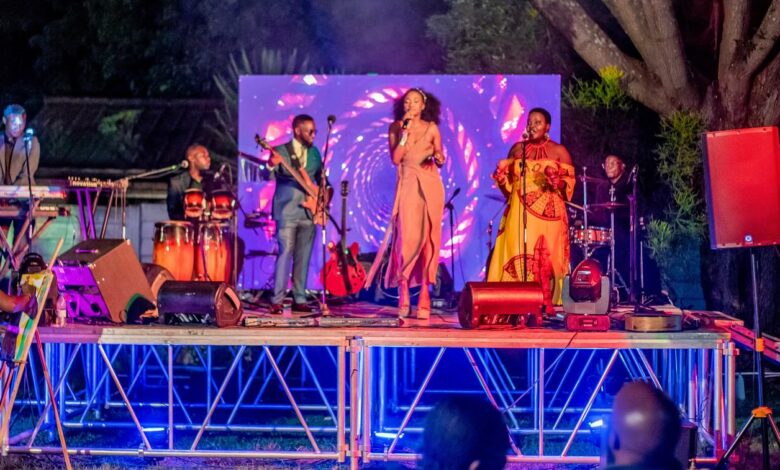
THE 15th International Jazz Day, observed globally on April 30, will once again be celebrated in Zimbabwe with a strong cultural programme led by the Zimbabwe Jazz Community. The event has grown into a significant date on the global music calendar since it was officially proclaimed by UNESCO in 2011 and championed by pianist and UNESCO Goodwill Ambassador Herbie Hancock. In Zimbabwe, the celebration continues to gain momentum as musicians, promoters and audiences come together to honour jazz as a powerful tool for unity and expression. This year’s edition places strong focus on collaboration, live performance and cultural exchange across cities. It also reinforces Zimbabwe’s position within the global jazz movement through structured local participation and artistic engagement.
The Zimbabwe Jazz Community, known as ZJC, is leading the national celebrations with a programme designed to unite people through music, foster intercultural dialogue and promote freedom of expression. The initiative brings together established artists, emerging talent and jazz enthusiasts in a shared space where creativity takes centre stage. Under the leadership of pianist and music teacher Filbert Marova, the Zimbabwe chapter has developed a coordinated approach that connects Harare and Bulawayo through parallel events. Marova has emphasized the importance of creating a high quality cultural experience that reflects the evolution of Zimbabwean jazz from its traditional foundations to modern fusion styles. His approach highlights collaboration as a key driver for sustaining interest in the genre.
In Harare, the celebration will feature a strong lineup of respected performers including Prudence Katomeni-Mbofana, Agga Nyabinde, Fadz and Friends, and the Harare All Jazz Stars. These artists represent different generations and styles within Zimbabwe’s jazz landscape, offering audiences a wide range of sounds and interpretations. The event will also include a house band that supports an open mic session, allowing spontaneous performances from attending musicians. This format is designed to encourage improvisation, which is a defining characteristic of jazz music. The inclusion of both structured performances and open collaboration creates a dynamic environment where creativity can develop naturally. It also gives younger musicians an opportunity to share the stage with established names.
In Bulawayo, attention will be focused on the Cool Crooners, a group known for their long standing contribution to Zimbabwe’s jazz and vocal harmony tradition. Their presence adds historical depth to the celebrations, linking contemporary events with earlier forms of Zimbabwean musical expression. The Bulawayo programme is expected to attract audiences who value classic jazz influences and live performance artistry. Organisers believe that having simultaneous celebrations in different cities strengthens national participation and widens audience engagement. It also ensures that jazz lovers outside Harare are fully included in the International Jazz Day experience. This decentralised approach reflects the growing reach of the genre across the country.
Marova has stated that one of the main goals of this year’s celebration is to build a premium cultural experience that highlights both tradition and innovation. He explained that the event aims to showcase Zimbabwean jazz in its full diversity while also creating space for spontaneous creative collaboration. A curated group of award winning musicians has been assembled to deliver what organisers describe as a world class performance experience. The inclusion of session musicians further adds variety and flexibility to the performances. This structure allows for unexpected musical combinations that are often at the heart of jazz expression. It also ensures that every segment of the event offers something unique to the audience.
A key feature of the programme is the open mic session, which will be facilitated by the house band. This segment is expected to create one of the most engaging moments of the celebration as musicians from different backgrounds interact on stage. Open sessions of this nature are rare in structured events, making this a special opportunity for live improvisation and collaboration. It also reinforces the idea that jazz is a living genre shaped by participation and interaction. Organisers believe this format will leave lasting impressions on both performers and audiences. It also strengthens the sense of community within Zimbabwe’s jazz scene.
Venue selection has also played an important role in shaping the event experience, with The Grub chosen for its intimate and upscale atmosphere. Marova noted that the venue complements the smooth jazz style and storytelling elements expected from some of the featured performers. The setting is designed to enhance sound quality and audience engagement, making it suitable for both relaxed listening and interactive performances. In a country where dedicated jazz venues are limited, this choice highlights the ongoing challenge of maintaining spaces for live jazz music. It also shows the importance of adaptable venues in supporting cultural events.
Musician and arts administrator Agga Nyabinde, who also works with the National Arts Council of Zimbabwe, has emphasized the cultural significance of International Jazz Day. He described the occasion as an important moment for musicians and audiences who appreciate jazz as music for mature listeners. He acknowledged that the genre has faced challenges in recent years, including a shortage of dedicated venues and shifting audience preferences. Despite these challenges, he expressed confidence that jazz remains a resilient and enduring form of artistic expression. He also highlighted the importance of passing the genre on to future generations through continued celebration and participation.
Jazz promoter Josh Hozheri has also supported the significance of the event, noting that April 30 represents a global milestone for jazz enthusiasts. He pointed out that while jazz may not appeal to everyone, it continues to hold strong value for dedicated listeners and musicians. Hozheri emphasized the need for sponsorship and proper venues to ensure the genre remains active and accessible in Zimbabwe. He also acknowledged the role of established venues in attracting audiences who support live music culture. His involvement in festivals such as the Winter Jazz Festival and the Moving Jazz Café reflects his long standing commitment to the development of jazz in the country.
International Jazz Day in Zimbabwe continues to serve as both a celebration and a reflection of the state of the genre within the country. It brings together musicians, promoters and audiences in a shared effort to preserve and grow jazz culture. The 2026 edition highlights collaboration, performance diversity and the importance of cultural spaces. It also demonstrates how local initiatives can connect with global movements through music. As Zimbabwe joins the world in marking this day, the focus remains on sustaining jazz as a living, evolving and inclusive art form that continues to inspire across generations.