Learnmore Jonasi Challenges Cultural Perceptions as He Reclaims African Identity Through Comedy
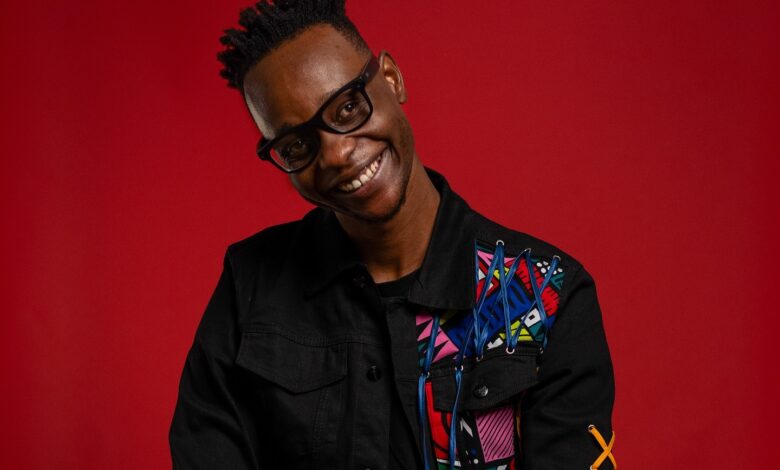
Zimbabwean comedian Learnmore Jonasi has triggered wide discussion on cultural identity, representation and the reclaiming of African narratives through comedy. His recent public statement on social media addressed criticism directed at his comedic style, which often draws heavily from his rural upbringing and lived experiences. The comedian made it clear that his material is not intended to mock African culture but to reflect it authentically. His comments have sparked renewed debate about how African identity is portrayed in entertainment and how audiences interpret humour rooted in real life experiences. The conversation highlights a deeper tension between cultural pride and long standing societal conditioning.
In his statement, Learnmore Jonasi explained that his jokes come directly from personal history rather than fabricated stereotypes. He argued that discomfort among some audience members often stems from internalised beliefs about what is considered acceptable or respectable within African identity. According to him, many people were raised in environments where rural backgrounds and local traditions were seen as inferior or something to hide. This, he suggested, creates friction when artists openly celebrate the same experiences on public platforms. His perspective frames comedy as a tool for confronting and reshaping inherited perceptions.
Jonasi further emphasized that his approach to comedy is rooted in authenticity and self-acceptance. He stated that his goal is not to offend but to reflect real life in a way that audiences can recognise and relate to. By using his accent, cultural background and village upbringing as part of his material, he aims to normalise aspects of identity that are often marginalised. His stance positions comedy as both entertainment and cultural commentary. It also places responsibility on audiences to reflect on why certain narratives feel uncomfortable when presented without filters or distortion.
The comedian also addressed the historical context behind these reactions, pointing to the long-term effects of colonial and post-colonial influence on African self-perception. He suggested that these systems contributed to a mindset where local culture is often undervalued compared to external standards. According to him, this legacy continues to shape how African audiences respond to representations of their own identity in media and performance. His remarks connect personal artistic expression to broader social and historical forces. In doing so, he situates comedy within a larger conversation about cultural restoration and identity awareness.
Despite acknowledging criticism, Learnmore Jonasi maintained that he does not hold resentment toward those who disagree with his approach. Instead, he expressed understanding that differing reactions often reflect deeper social conditioning rather than personal attacks. He indicated that his intention is not to divide audiences but to encourage reflection through humour. This perspective positions his work as both introspective and educational, using comedy as a medium to explore identity and lived experience. His response suggests a deliberate effort to engage with criticism without abandoning his creative direction.
At the centre of Jonasi’s message is a firm commitment to continuing his artistic style without dilution. He reaffirmed that he will keep representing his heritage, accent and rural upbringing exactly as he experienced them. This decision highlights his belief that authenticity should not be compromised for acceptance or mainstream approval. It also reflects a growing movement among African creatives who seek to reclaim narratives that were historically marginalised or distorted. By embracing his background openly, he positions himself within a broader cultural shift toward self-definition.
The conversation sparked by Learnmore Jonasi extends beyond comedy and into wider questions of identity, representation and cultural pride in Zimbabwe and across Africa. His statements challenge audiences to reconsider how humour interacts with history and personal experience. They also highlight the ongoing struggle between inherited perceptions and emerging expressions of African authenticity in modern entertainment. While reactions remain mixed, the debate underscores the power of comedy to provoke thought and cultural reflection. Ultimately, Jonasi’s stance reinforces a growing narrative in African creative spaces, where artists are increasingly reclaiming their voices and reshaping how their stories are told.