Sizolobola Set to Premiere in Bulawayo with a Powerful Message of Unity and Reconciliation
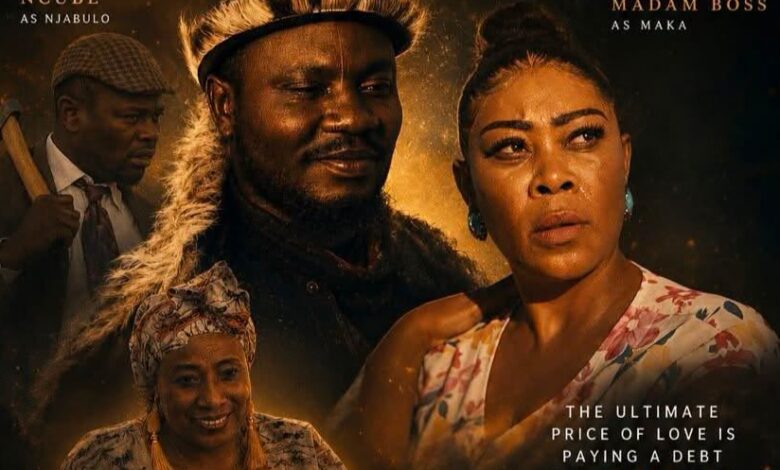
Zimbabwe’s film industry continues to grow with productions that entertain audiences while addressing important social issues, and Sizolobola is one of the latest films aiming to make a meaningful impact. The locally produced movie is scheduled to premiere at the National Gallery of Zimbabwe in Bulawayo on Saturday, bringing together filmmakers, actors and cinema lovers for a highly anticipated debut. Beyond its romantic storyline, the film seeks to encourage conversations about national unity, reconciliation and the importance of embracing diversity. Its creators hope the project will inspire Zimbabweans to look beyond language, ethnicity and political differences while celebrating their shared identity. As local productions continue to gain recognition, Sizolobola represents another step forward for Zimbabwean storytelling.
Sizolobola was conceived by Mothusi Bashimane Ndlovu, who is widely known as Madlela Skhobokhobo, while the screenplay was written by Emmanuel Matsinye and produced by AFRICIN. Following its official premiere, audiences who are unable to attend the event will also have the opportunity to watch the film through AFRICIN’s streaming platforms. This approach allows the production to reach viewers both within Zimbabwe and beyond its borders. The filmmakers have combined experienced storytelling with modern distribution methods to ensure the film reaches a wider audience. Their commitment reflects the growing confidence of Zimbabwe’s creative industry in producing content capable of attracting local and international viewers.
Filmed in and around Bulawayo as well as the Seke district in Mashonaland East, Sizolobola showcases different parts of Zimbabwe while telling a story that resonates across communities. The choice of locations adds authenticity to the production and highlights the country’s cultural diversity. By featuring familiar settings, the filmmakers create a strong connection between the story and everyday Zimbabwean life. The production also demonstrates the potential of local film projects to utilize Zimbabwe’s landscapes and communities as important storytelling elements. This combination of meaningful locations and relatable themes strengthens the emotional impact of the film.
One of the film’s biggest strengths is its impressive ensemble cast, which brings together some of Zimbabwe’s most recognizable entertainment figures. Legendary actress Jesesi Mungoshi, celebrated for her unforgettable lead role in the classic 1991 film Neria, plays a prominent role in the production. Mungoshi remains one of Zimbabwe’s most respected performers and continues to inspire younger generations of actors. The cast also includes popular actress and social media personality Madam Boss, whose real name is Tyra Chikocho, alongside Exult Ncube, Charles Muzembi, social media sensation Sipho Mercent Nyathi, award-winning poet and actress Sithandazile Dube and the film’s creator, Madlela Skhobokhobo. The diverse group of performers contributes a wealth of experience, talent and personality to the production.
Behind the camera, Sizolobola is supported by a dedicated technical team responsible for bringing the story to life. Praise Zizo Nkala served as the director of photography, capturing the visual style and atmosphere that define the film. Sound production was handled by Jerald, ensuring audiences experience clear dialogue and immersive audio throughout the story. The editing was completed by Zizo and Joe Njangu, whose work helped shape the film into its final form. Their combined efforts highlight the growing pool of skilled professionals working within Zimbabwe’s expanding film industry.
According to Madlela Skhobokhobo, the film uses romance as a powerful vehicle for exploring deeper social issues that continue to affect Zimbabwean society. At the heart of Sizolobola is the story of two young people deeply in love who wish to marry despite historical tensions between the Ndebele and Shona communities. Their relationship becomes a symbol of hope, demonstrating that understanding and compassion can overcome divisions rooted in the past. As the story unfolds, love ultimately triumphs over prejudice and historical resentment. Through this narrative, the filmmakers encourage audiences to reflect on the importance of reconciliation and peaceful coexistence.
The casting process also reflected the film’s central message of unity and inclusion. Madlela Skhobokhobo explained that the production team held open auditions to ensure they selected the strongest performers while welcoming talent from different backgrounds. This inclusive approach reinforced the belief that Zimbabwe’s diversity should be celebrated rather than used to divide people. The filmmakers intentionally created a production that brought together individuals from various communities, demonstrating the collaboration they hope to inspire across society. Their commitment to inclusivity extends beyond the screen and into the way the film itself was made.
Madlela Skhobokhobo also expressed concern about the growing divisions that have become more visible through technology and social media. While digital platforms have made communication easier than ever before, he believes they have also created spaces where hostility and misunderstanding can spread quickly. Observing frequent online attacks between people from different backgrounds convinced him that artists have a responsibility to encourage dialogue instead of conflict. He believes future generations deserve a legacy built on mutual respect, cooperation and national pride rather than inherited divisions. Through Sizolobola, he hopes to remind audiences that despite cultural and political differences, Zimbabweans remain one people who share the same nation and future.
Sizolobola arrives at a time when meaningful storytelling has the power to encourage reflection and promote positive social change. By combining romance, history and powerful themes of forgiveness and reconciliation, the film offers far more than entertainment. Its talented cast, experienced production team and compelling message position it as one of the notable Zimbabwean film releases of the year. As audiences gather for the premiere at the National Gallery of Zimbabwe in Bulawayo and later stream the film through AFRICIN, many will have the opportunity to engage with its important message. If the filmmakers achieve their goal, Sizolobola will not only be remembered as an enjoyable love story but also as a film that encouraged Zimbabweans to embrace unity, heal historical divisions and celebrate the shared identity that connects them all.