Nqobile Magwizi Calls for Higher Standards as COSAFA Elects New Leadership in Harare
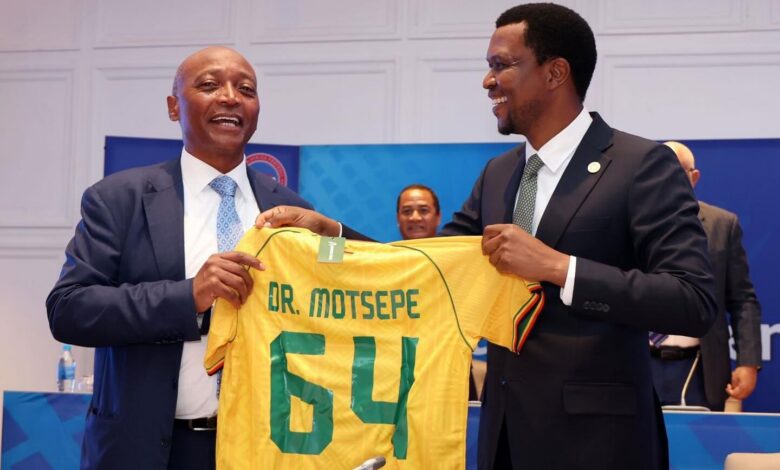
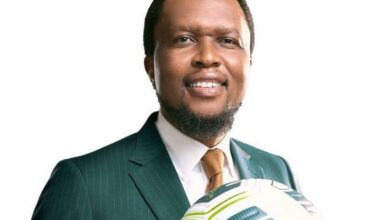
Newly elected COSAFA Executive Committee member Nqobile Magwizi has called for urgent improvements in football standards across Southern Africa, saying the region must raise its competitiveness to match global benchmarks. His remarks came shortly after his election at the COSAFA Annual General Assembly held in Harare, where regional football leaders gathered to map the future of the game. Magwizi said Southern African football can only grow if it becomes more attractive to fans, investors and commercial partners. He stressed that poor standards in administration and competition continue to limit the region’s potential. His message focused strongly on reform, professionalism and long term development of the sport.
Magwizi highlighted the gap between African football and elite global leagues, using the English Premier League as an example of a highly commercialised and globally appealing product. He argued that Africa must improve the quality of its football structures in order to unlock similar financial opportunities. According to him, fans and stakeholders will only invest in leagues that demonstrate consistency, transparency and quality delivery. He warned that ignoring these expectations weakens the credibility of local competitions. His position reflects a broader concern within African football about commercial sustainability and global relevance.
The newly elected executive member also emphasised the importance of governance and professionalism in football administration. He noted that African football often suffers from perceptions that undermine its credibility on the global stage. These perceptions, he said, stem from weak systems and inconsistent enforcement of standards. Magwizi called for the establishment of stronger frameworks that ensure accountability and improve the functioning of football institutions. He believes that structured governance will help African countries compete more effectively at international level.
During the elections, Magwizi was voted into the COSAFA Executive Committee alongside Lijane Nthunya of Lesotho, Robert Shimooshili of Namibia and Peter Simelane of Eswatini. The election process saw all ordinary Executive Committee positions filled unopposed, resulting in confirmation by acclamation. This included South Africa’s Linda Zwane, who had initially been nominated but later withdrew before the vote. Following the elections, Zwane and Angola’s Irene Gonzalez were co-opted onto the Executive Committee to strengthen regional representation. The process was widely viewed as a sign of unity among COSAFA member associations.
Botswana’s Tariq Babitseng was confirmed as the new COSAFA president after being nominated without opposition, marking a smooth transition in regional leadership. He is deputised by Madagascar’s Alfred Randriamanampisoa, who also ran unopposed for the vice presidency. Zambia’s Brenda Kunda retained her position on the Executive Committee as the representative for women’s football development. The leadership structure reflects continuity and stability within the regional football body. It also signals a shared commitment among member nations to strengthen cooperation and development.
Magwizi expressed satisfaction with the outcome of the congress, describing the unopposed elections as evidence of unity and shared purpose among COSAFA members. He said the region must now focus on strengthening delivery systems and improving confidence among stakeholders. He emphasised that football belongs to the people and must be managed with responsibility and care. According to him, issues such as refereeing standards remain critical areas that require immediate attention. He believes that improving these areas will help restore trust in the game and enhance its overall quality.
He also raised concern about Africa’s declining representation at the FIFA World Cup, noting that the number of African teams has not grown in line with expectations. Magwizi said this trend reflects deeper structural issues that must be addressed by football administrators. He believes that improving standards at domestic and regional levels will directly influence international performance. His comments point to the need for long term planning and investment in player development, coaching and officiating. He urged COSAFA leadership to treat this as a priority area.
The COSAFA Congress in Harare brought together representatives from all 14 member associations, along with officials from FIFA and the Confederation of African Football led by CAF president Patrice Motsepe. The gathering was widely regarded as a successful milestone for regional football cooperation. Hosting the event in Zimbabwe was seen as an important endorsement of the country’s re-engagement with regional football structures. It also reflected growing confidence in Zimbabwe’s ability to host major football events. The congress reinforced Harare’s position as a key hub for regional football dialogue.
Zimbabwe’s football leadership has recently overseen a series of major tournaments, including COSAFA Under 17 competitions and CAF youth events, which helped restore its standing within the football community. Magwizi said these developments demonstrate progress in rebuilding trust and credibility after years of administrative challenges. He noted that consistent delivery of successful events strengthens the country’s reputation in regional football. The progress is seen as part of a broader effort to stabilise and reform football governance structures. It also highlights the importance of institutional leadership in sports development.
As COSAFA begins a new leadership cycle, Magwizi’s message sets a clear agenda focused on raising standards, improving governance and building a more competitive regional football environment. His call for reform aligns with broader continental discussions about the future of African football and its global positioning. The new leadership faces the challenge of turning these ambitions into measurable outcomes across member nations. With unity and a shared vision already evident in the election process, expectations are high for meaningful progress. Southern African football now enters a phase where performance, professionalism and accountability will define its future direction.