Zimbabwe Fashion Week 2026 Puts Local Identity, Sustainability and Global Ambition at the Centre
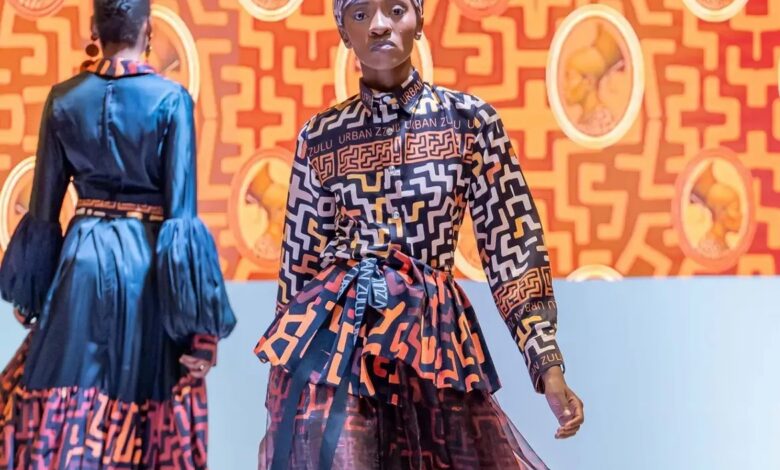
The international fashion season is once again placing the world’s major fashion capitals under the spotlight as designers unveil new collections and fashion houses compete for attention, influence and commercial relevance. From Milan to other global fashion centres, fashion week has increasingly become more than a series of runway shows, with events now serving as platforms for business, culture, tourism and international visibility. Milan has demonstrated how powerful a fashion week can become when major houses use the occasion to generate conversation while strengthening their brands and wider influence. That global fashion conversation now comes to Zimbabwe as Zimbabwe Fashion Week 2026 gets underway in Harare. Running under the theme “SOWN: Rooted in Zimbabwe,” the event is placing Zimbabwean identity, local creativity and sustainable growth at the centre of the country’s fashion story.
Zimbabwe Fashion Week 2026 runs from October 7 to 10 at The Venue in Avondale, Harare. The event is expected to bring together approximately 30 designers and 35 models, creating a platform for both established names and emerging talent. Designers, models, fashion professionals and other industry players will have an opportunity to showcase their work and engage with audiences interested in Zimbabwean fashion. The event comes at a time when the country’s creative industries are seeking stronger pathways into regional and international markets. By bringing different parts of the fashion ecosystem together, Zimbabwe Fashion Week is positioning itself as a platform for both creative expression and industry development.
The theme “SOWN: Rooted in Zimbabwe” has been deliberately selected to place Zimbabwean culture and identity at the heart of the event. Zimbabwe Fashion Week public relations and social media manager Vuyelwa Mangena said the theme reflects a deep grounding in local culture, creative authorship and sustainable growth within the country’s fashion ecosystem. It also recognises the heritage that has shaped Zimbabwean design while looking toward a stronger international presence. The idea is that global recognition should grow from a clear local foundation rather than from abandoning the characteristics that make Zimbabwean fashion distinctive. This approach gives the 2026 edition a strong focus on cultural identity while maintaining an outward-looking ambition.
The organisers are also challenging the idea that Zimbabwean designers must follow the models established by Western fashion capitals to become competitive. Mangena said local designers are developing standards based on African storytelling, ethical production and distinctive craftsmanship rather than simply copying international frameworks. This positioning gives designers an opportunity to define success according to their own creative and cultural strengths. It also reflects a wider conversation about African fashion and the importance of allowing designers on the continent to shape their own narratives. For Zimbabwean fashion, the challenge is not simply to participate in the global industry but to enter it with a clear identity and a strong creative point of view.
Zimbabwe Fashion Week 2026 is placing particular emphasis on the business side of the industry through the Hunhu Council of Fashion Business Programme. The programme runs from 10am to 4pm and is free for attendees, creating an opportunity for people within and outside the fashion sector to participate in discussions about the industry’s commercial future. Industry leaders, creative pioneers and international voices are expected to discuss issues that include commercialising African fashion, addressing technical gaps, developing sustainable supply chains and improving access to global markets. These conversations recognise that successful fashion businesses require more than creative talent and attractive collections. Designers also need production capacity, reliable supply networks, business knowledge, market access and strategies that can support long-term growth.
The stronger focus on fashion business reflects the changing role of fashion weeks around the world. Major fashion events increasingly provide opportunities for brands to attract buyers, engage media, develop partnerships and strengthen their position in competitive markets. They can also contribute to cultural diplomacy and tourism by attracting attention to the cities and countries where they take place. Zimbabwe Fashion Week has an opportunity to use this wider role to increase the visibility of local designers and connect fashion with other areas of the creative economy. The runway remains important, but the conversations and relationships developed around it can have a longer-term impact on the industry.
For Zimbabwe, converting fashion week visibility into sustainable economic opportunities remains an important challenge. A successful runway can create attention for a designer, but that attention needs to translate into stronger brands, increased production, new customers and access to markets. Manufacturing opportunities and international partnerships can also help create a more stable foundation for designers and other professionals working within the sector. This requires cooperation between creative practitioners, manufacturers, business professionals and other stakeholders across the fashion value chain. The broader ambition of Zimbabwe Fashion Week 2026 is therefore to strengthen the ecosystem behind the clothing rather than focusing only on what appears on the catwalk.
Zimbabwe Fashion Week has become one of the country’s important platforms for showcasing local fashion, design and modelling talent. Over the years, the platform has brought established designers and emerging creatives into the same space while giving models, media professionals and fashion enthusiasts opportunities to participate in the industry. Designers can use the event to present collections, develop their brands and introduce their work to audiences outside their immediate circles. The platform also creates opportunities for networking and skills development, which can be valuable in an industry where relationships and professional knowledge influence access to opportunities. Its continued evolution reflects the changing needs of Zimbabwe’s fashion sector.
The 2026 edition arrives with a clear emphasis on sustainability as part of the industry’s future. Sustainable fashion requires attention to how clothing is designed, produced and moved through supply chains, making it an issue that extends beyond individual collections. The organisers’ focus on ethical production and sustainable growth places these concerns within the broader development of Zimbabwean fashion. Building stronger local supply chains can also help designers reduce technical limitations and improve their ability to produce consistently. For Zimbabwean brands seeking regional and international markets, stronger production systems will be important alongside creative originality.
The focus on international markets is another significant feature of this year’s event. Zimbabwean designers have creative resources, cultural influences and craftsmanship that can provide a strong foundation for distinctive brands. However, international expansion requires more than recognition, as designers need access to buyers, distribution networks, production capacity and business partnerships. The Hunhu Council of Fashion Business Programme is intended to contribute to these conversations by addressing some of the barriers that can prevent African fashion businesses from scaling. If the connections created through the programme and the wider fashion week continue beyond the event, they could help create opportunities that extend well beyond the four-day programme.
The message from the organisers is clear that Zimbabwean fashion should not be defined by its distance from established international fashion capitals. Instead, the country can build its own identity by drawing from its culture, craftsmanship and creative talent while engaging confidently with global markets. “SOWN: Rooted in Zimbabwe” captures that approach by connecting local heritage with ambitions for sustainable growth and international recognition. Zimbabwe Fashion Week 2026 therefore represents more than a showcase of new clothing, as it is also an attempt to strengthen the people, businesses and systems that support the fashion industry. As designers and models take to the runway in Harare, the greater measure of success will be whether the event helps turn creative visibility into lasting opportunities for Zimbabwean fashion.