Clive “Mono” Mukundu Reflects on 38 Years in Music and the Journey Behind Monolio Studios
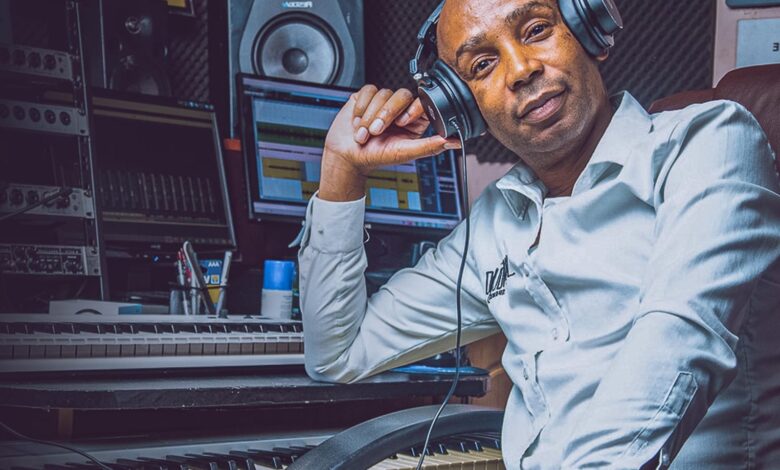
Renowned multi-instrumentalist, academic, and music producer Clive “Mono” Mukundu celebrated 38 years in the music industry, reflecting on his journey and contributions to Zimbabwe’s creative community.
In a promotional video, Mono shared his story. “Hello, my name is Clive ‘Mono’ Mukundu. Every 22nd of January, I celebrate my entry into the music industry. To commemorate this milestone, I’m sharing a video that chronicles my journey from the days I started until today,” he said.
He recounted the start of his career in 1988. “Sometime in 1988, I met a guy named Chiketa. His real name was Noah Muringai, and it was in December. We formed our first band, called Sarungano Chanters. I was the composer and the lead vocalist. At that time, I wasn’t able to play rhythm guitar, so Chiketa played lead guitar. After much practice and learning from Chiketa, by the end of the year, I became the lead guitarist, and Chiketa transitioned to playing rhythm guitar.”
Mono also shared memories of living conditions during his early career. “On Saturday, the 8th of December, 1990, we moved to Dangumvura Hotel. Since the salary was very low, we couldn’t afford individual accommodations, so we rented a shack in Dangamvura, where all six of us lived. There was no furniture – just a plumber’s stove and some blankets. That was it. I had a single dreadlock when I was still in school. That single dreadlock was what was called a monologue,” he recalled.
His reflections included his time with the late national hero and music icon Oliver “Tuku” Mtukudzi. Mono discussed leaving the Black Spirits band and focusing on his own path. “I was fired in 2007. Soon after leaving the band, Chiwoniso approached me, and I joined her on her tours. We toured together in 2007 and 2008. Since I had bought studio equipment while I was part of the band, I started my studio, Monolio Studio. Since then, I’ve focused on working in my studio.”
Mono emphasized the importance of education for musicians. “Unlike other musicians who don’t believe in the power of music, I urge my fellow artists to pursue education. Musicians need education not only to enhance their profiles but also to equip themselves with the knowledge needed in the creative community,” he said.
Celebrating nearly four decades in the industry, Clive “Mono” Mukundu continues to influence Zimbabwean music through performance, production, and mentorship, proving that dedication, skill, and knowledge remain essential to long-term success in the creative sector.