Bellarmine Mugabe Sentenced to Heavy Fine or Jail Term After Firearms and Immigration Case in South Africa
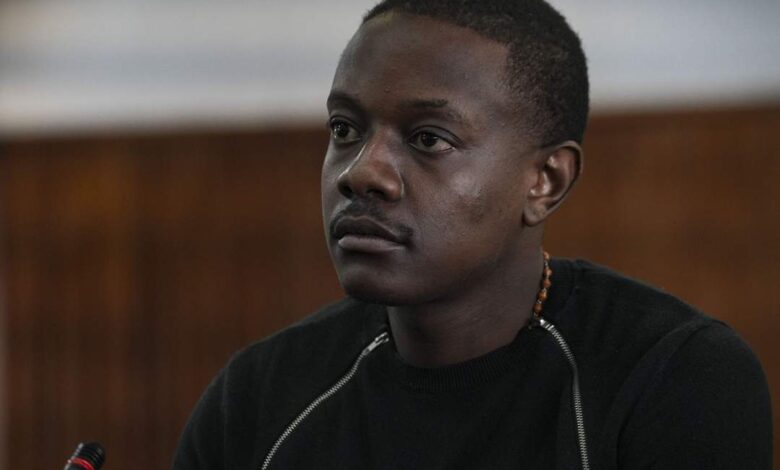
Bellarmine Mugabe, the son of former Zimbabwean president Robert Mugabe, has been sentenced in South Africa after being found guilty of offences linked to firearms possession and immigration violations. The ruling was delivered at the Alexandra Magistrate’s Court following legal proceedings that also involved his cousin. The court ordered Mugabe to pay a fine of R600,000 or serve a two-year prison sentence if he fails to pay the amount. The case has drawn public attention due to his political family background and the seriousness of the charges. It also includes a directive that he will be deported from South Africa once his sentence is completed.
The court appearance also involved co-accused Tobias Matonhodze, who faced separate sentencing after pleading guilty to related charges. Matonhodze was handed a three-year prison sentence following the court’s findings. Both men admitted guilt on multiple charges linked to a shooting incident that took place in February at Mugabe’s Hyde Park residence. The incident involved the shooting of an employee, which escalated the legal consequences of the case. The guilty pleas played a significant role in how the court determined sentencing outcomes for both accused individuals.
The Alexandra Magistrate’s Court, where the case was heard, processed the matter under both firearms control and immigration law frameworks. The combination of these charges increased the severity of the legal consequences, particularly due to the cross-border implications of residency and conduct in South Africa. The court’s decision reflects strict enforcement of laws governing firearm use and immigration compliance. It also demonstrates how criminal cases involving foreign nationals are handled within the South African legal system. The directive for deportation underscores the immigration dimension of the ruling and its long term consequences.
The shooting incident at the Hyde Park residence forms the central background of the case, which led to the criminal charges being filed. The event triggered investigations that resulted in both Mugabe and Matonhodze appearing before the court. Legal proceedings confirmed that both individuals accepted responsibility by pleading guilty to the charges brought against them. This admission influenced the sentencing structure, including the financial penalty and custodial terms. The court’s approach combined punishment with removal from the country as part of its final ruling.
The sentencing outcome places Bellarmine Mugabe in a position where financial payment or imprisonment will determine the immediate execution of his punishment. The R600,000 fine represents an alternative to direct incarceration, but failure to pay would result in a two-year prison term. After completing the sentence, he is expected to be deported from South Africa in line with the court order. This adds an immigration consequence on top of the criminal penalties already imposed. The case highlights how legal systems address overlapping issues of crime and residency status in serious offences.
Bellarmine Mugabe now faces the combined impact of criminal sentencing and deportation, marking a significant legal outcome for a figure linked to a prominent political family. The involvement of firearms charges and a violent incident increased the severity of the case and shaped the final ruling. With both accused having pleaded guilty, the court focused on delivering penalties that reflect accountability under South African law. The outcome also serves as a reminder of the legal responsibilities placed on foreign nationals residing in the country. As the case concludes, attention now shifts to the enforcement of the sentence and deportation process that will follow.