Zimbabwe’s Youth Interventions Expand in 2025 as Millions Are Reached, but Structural Gaps Persist
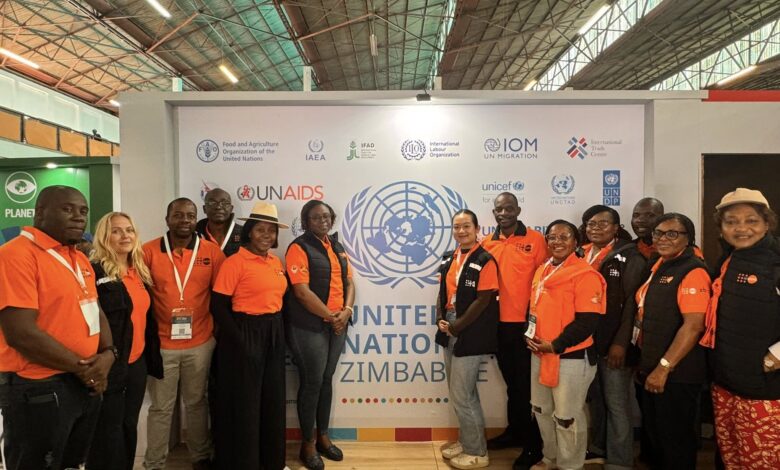
Zimbabwe’s youth development agenda expanded sharply in 2025, with national and partner-led programmes reaching millions of young people through education, advocacy and institutional reform initiatives. The scale of these interventions reflects a deliberate push to position young people at the centre of national development priorities. This shift is driven by the reality that Zimbabwe has a predominantly youthful population that requires targeted investment in health, education and economic opportunity. At the same time, the growing reach of these programmes highlights pressure on existing systems to deliver measurable outcomes beyond awareness campaigns. The year has therefore become a defining moment for youth policy implementation and its effectiveness on the ground.
A major contributor to this expansion is the United Nations Population Fund in Zimbabwe, which reported reaching approximately 7.3 million young people through its programmes. The organisation also mobilised around 6,900 stakeholders under the #NotInMyVillage campaign, which focuses on preventing harmful practices such as child marriage and supporting adolescent wellbeing. This campaign model combines large scale communication strategies with community level engagement to shift attitudes and behaviours. By working across districts, the initiative has gained traction in raising awareness about adolescent pregnancy and early marriage risks. The approach demonstrates how coordinated messaging and local participation can reinforce each other when addressing sensitive social issues.
The spread of such campaigns across multiple regions suggests that youth protection messaging is becoming more visible and accessible. Communities are increasingly exposed to discussions on rights, health and education, particularly in relation to adolescent girls. This visibility is important in shaping social norms that have historically contributed to early school dropouts and early pregnancies. However, awareness alone does not always translate into sustained behavioural change. The effectiveness of these programmes depends heavily on whether communities have access to practical support services. Without that support, messaging risks losing impact over time.
Government structures have also been integrated into youth development efforts through the introduction of Youth Desks in 23 ministries. These units are designed to ensure that youth perspectives are included in policy planning and decision making processes. The intention is to institutionalise youth participation rather than treat it as a standalone programme. This signals a shift towards embedding youth considerations within broader governance systems. However, questions remain about how much influence these structures have over actual budget allocations and programme execution. If they remain advisory without decision making power, their long term impact may be limited.
The success of these institutional reforms will depend on whether they translate into real changes in service delivery and resource distribution. Youth inclusion at policy level must connect directly to outcomes such as job creation, education access and healthcare improvements. Without this link, institutional reforms risk becoming symbolic rather than transformative. The challenge is not only creating structures but ensuring they are empowered to influence meaningful change. This requires coordination across ministries and alignment with national development planning. It also requires accountability mechanisms that track progress in youth focused programmes.
In the health sector, official reports indicate that around 80 percent of facilities are now classified as youth friendly. On paper, this represents a significant improvement in service availability for young people. However, the quality and consistency of these services vary widely across regions. In rural areas, young people often face shortages of trained healthcare workers and limited medical supplies. Stigma around adolescent reproductive health further discourages many from seeking care, particularly young girls. These gaps highlight a disconnect between policy classification and lived reality.
The contrast between national statistics and local experiences reveals deeper structural challenges. While programmes have expanded in scale, underlying issues such as youth unemployment remain severe. Estimates place unemployment among young people at above 40 percent, creating long term risks for economic stability and social development. At the same time, adolescent pregnancy continues to place pressure on both education and healthcare systems. These challenges are interconnected and cannot be addressed in isolation. They require integrated strategies that combine education, economic opportunity and health services.
The growing focus on youth interventions reflects recognition of both opportunity and urgency within Zimbabwe’s demographic structure. A large youth population can drive economic growth if properly supported through skills development and employment pathways. However, without effective systems, it can also intensify social and economic pressure. The scale of outreach programmes shows commitment, but their long term value will depend on implementation strength. Policies must move beyond access statistics and focus on quality, equity and sustainability. This includes ensuring that rural and urban areas benefit equally from interventions.
Zimbabwe’s 2025 youth agenda therefore stands at a critical point where ambition must meet execution. The expansion of programmes through advocacy, education and institutional reform demonstrates strong political and developmental intent. Yet the persistence of unemployment, health access gaps and social challenges shows that deeper structural transformation is still needed. The effectiveness of current efforts will ultimately be measured by tangible improvements in young people’s lives. As the country continues to invest in its youth, the focus will need to shift from reach to impact. Only then can the promise of a youthful population be fully realised in national development outcomes.