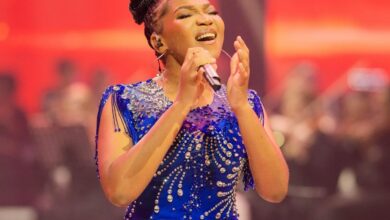
Everton Mlalazi’s Munondida Ndakadaro Open Verse Challenge Draws Strong Participation from Young Gospel Artists

The Munondida Ndakadaro Open Verse Challenge curated by award winning gospel musician Everton Mlalazi has officially closed after three weeks of active participation from young creatives across the region. The initiative invited emerging musicians to create and submit original verses inspired by the gospel track Munondida Ndakadaro, a song featured on Mlalazi’s 2026 album Great God. The challenge quickly gained attention among gospel artists and aspiring performers who saw it as a rare opportunity to showcase their abilities on a respected platform. Participants were encouraged to express their faith through music while demonstrating originality and artistic creativity. By the end of the competition hundreds of submissions had been received, reflecting the growing influence of gospel music among young artists in Zimbabwe and neighboring countries.
The Open Verse Challenge was designed to uncover hidden talent while promoting messages of faith and worship through music. For many participants the challenge served as a stepping stone into the professional gospel music industry. The three week programme created a space where emerging artists could share their voices with a wider audience while gaining recognition from established figures in the industry. By focusing on a song with a strong spiritual message the challenge also encouraged participants to connect their musical creativity with themes of gratitude and devotion. Organisers believe that initiatives like this help nurture the next generation of gospel musicians who will continue to shape the genre in the future.
Munondida Ndakadaro itself is a deeply reflective gospel song that celebrates divine love and faith. The track forms part of Everton Mlalazi’s latest album Great God, which highlights powerful themes of praise, worship and spiritual gratitude. By centering the challenge around this song Mlalazi provided a foundation that allowed participants to build their own interpretations while maintaining the message of the original composition. Artists experimented with melodies, lyrical styles and vocal arrangements to present unique performances. This creative freedom helped produce a wide variety of submissions that showcased the diversity of talent within the gospel music community.
According to Mlalazi the challenge attracted hundreds of participants from Zimbabwe as well as neighboring Zambia and South Africa. He expressed appreciation for the artists who invested time and creativity into their submissions, acknowledging the passion and dedication shown throughout the competition. Mlalazi explained that the adjudication process is already underway and will involve evaluating each entry according to several criteria. Judges will examine the originality of the lyrics, the quality of melody and musical arrangement and the overall creativity displayed in each performance. Audience engagement will also play an important role, with views, shares, likes and online interactions helping determine which entries resonated most strongly with listeners.
The winner of the challenge will soon be announced and will receive a prize of one thousand United States dollars. Beyond the financial reward the competition offers an important platform for exposure and recognition within the gospel music industry. Many participants see the challenge as a chance to gain visibility and connect with a broader audience of music lovers and industry professionals. Opportunities like this are valuable for young musicians who are trying to establish themselves in a competitive creative field. Through mentorship and initiatives led by experienced artists such as Everton Mlalazi emerging talent is given the encouragement needed to pursue professional careers in music.
The Munondida Ndakadaro Open Verse Challenge demonstrates how creative initiatives can empower young artists while promoting meaningful messages through music. By combining talent discovery with spiritual expression the challenge has strengthened connections within the gospel music community across Southern Africa. As the judging process continues anticipation is building among participants and supporters who are eager to see which artist will claim the top prize. Regardless of the final result the challenge has already succeeded in highlighting new voices and inspiring creativity among young musicians. The initiative stands as a reminder that platforms that encourage collaboration, faith and artistic growth can play a significant role in shaping the future of gospel music.